
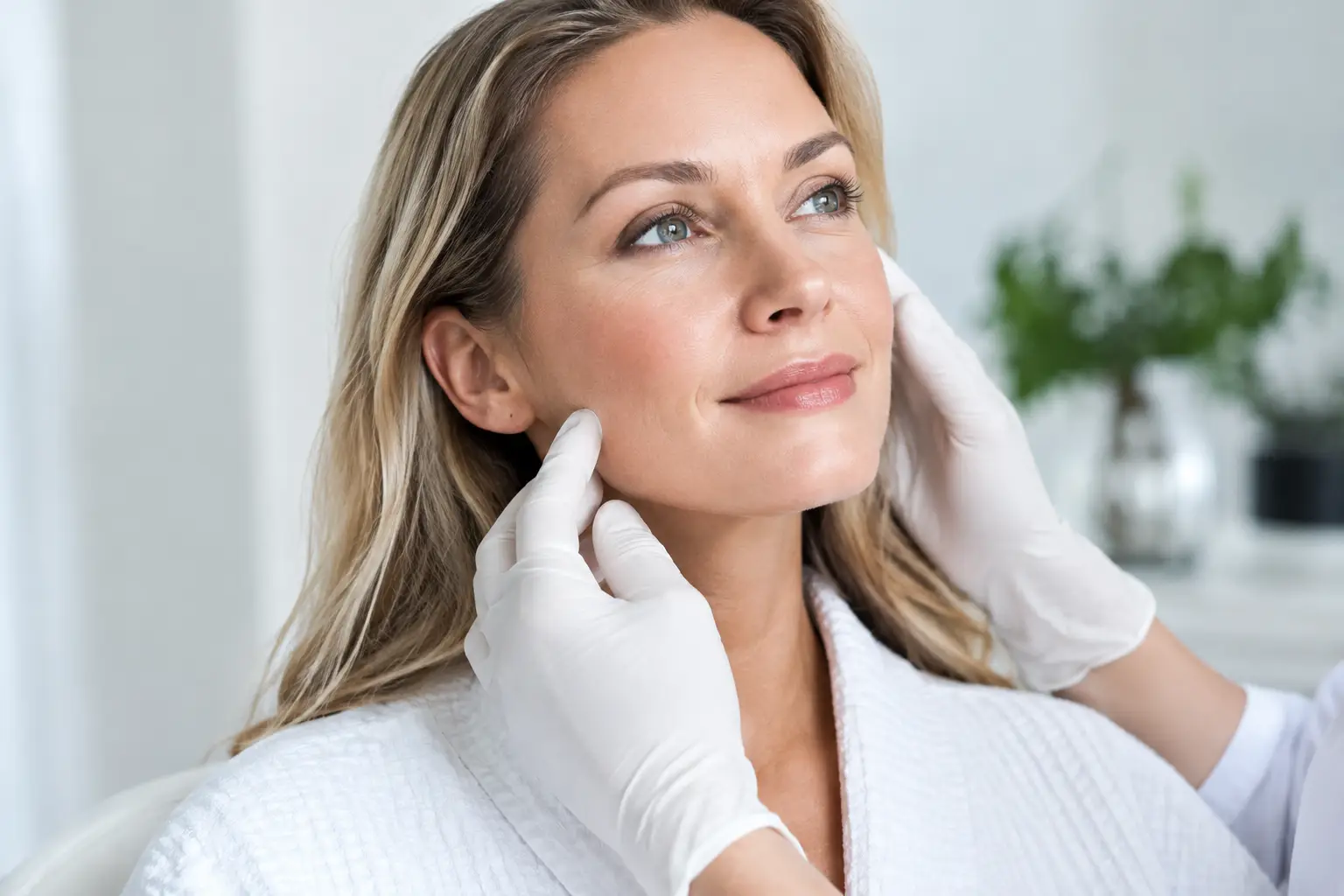
A Guide to Non Surgical Facelift Results
A fresher, more lifted appearance does not always require surgery. The right facial treatment plan can help improve the look of skin texture, firmness and definition while keeping your results natural and recognisably you. This guide to non surgical facelift options explains what these treatments can achieve, how to choose the right approach and why a personalised consultation matters.
A non-surgical facelift is not one single treatment. It is a tailored approach to facial rejuvenation, designed around your skin condition, areas of concern and desired outcome. For some clients, the focus is on smoothing and brightening tired-looking skin. For others, it is about improving the appearance of facial contours, supporting firmness or restoring a healthy glow before a special occasion.
What is a non surgical facelift?
A non-surgical facelift refers to professional treatments that aim to refresh and rejuvenate the face without incisions, general anaesthetic or the extended downtime associated with surgical procedures. Depending on the method used, treatment may focus on exfoliation, hydration, circulation, collagen support, skin tightening or improving the appearance of facial tone.
The goal is not to create an overdone or dramatically altered result. Quality over quantity matters. A well-planned treatment should leave you looking rested, polished and more confident, with results that complement your natural features.
Non-surgical options are particularly appealing for clients who want visible skin improvement but are not ready for surgery, do not want a lengthy recovery period, or prefer to maintain their appearance through regular professional treatments.
What a non surgical facelift can and cannot do
The best candidates understand the difference between skin rejuvenation and surgical lifting. Professional non-surgical treatments may help improve the appearance of dullness, dehydration, fine lines, uneven texture, congestion and mild loss of firmness. They can also support a smoother makeup application and give the complexion a more refined finish.
Results depend on your starting point. Skin that is dehydrated, congested or lacking radiance may respond beautifully to a focused facial treatment plan. More significant skin laxity, deep folds or pronounced volume loss may require a different aesthetic conversation, and no reputable clinic should promise a surgical-level result from a facial treatment.
Your age is only one part of the picture. Skin quality, lifestyle, sun exposure, genetics, home care and treatment consistency all influence the result. The most satisfying outcomes usually come from realistic expectations and a plan that works with your face rather than against it.
Treatment options that may support a lifted, refreshed look
Skin resurfacing and exfoliation
When the surface of the skin is dull or uneven, professional exfoliation can make a noticeable difference to how fresh your face looks. Treatments such as microdermabrasion and dermaplaning remove built-up dead skin cells, helping the complexion appear smoother, brighter and more even.
This type of treatment is often suited to clients wanting a polished glow with little interruption to their routine. It can be an excellent choice before an event, particularly when paired with an appropriate hydrating facial. However, resurfacing alone does not replace treatments designed to target firmness or deeper skin concerns.
Hydration-focused facial treatments
Dehydrated skin can exaggerate the look of fine lines and leave the face appearing flat or tired. Hydra-Micro treatments and professional facial protocols can cleanse, exfoliate and replenish the skin, helping create a plumper, healthier-looking finish.
Hydration treatments are a strong option when your skin feels tight, makeup is sitting poorly or you need a complexion reset. They are also useful as part of an ongoing maintenance routine, especially when your goal is consistently healthy-looking skin rather than a one-off glow.
LED light therapy
LED light therapy can be incorporated into a facial plan to support different skin goals, including calming the appearance of blemish-prone skin and supporting overall skin rejuvenation. It is gentle, comfortable and commonly used as an add-on or part of a treatment series.
Because LED works best as a course of care rather than a miracle in one appointment, it suits clients who are prepared to be consistent. Your therapist can advise whether it is appropriate for your skin and how it may fit alongside your other treatments.
Targeted facials for skin concerns
Acne facials and corrective facial treatments can be valuable when congestion, breakouts or uneven texture are affecting how smooth and refined the skin appears. A clearer-looking complexion often creates a more refreshed effect, even where the main concern is not ageing.
The right facial should be selected for your current skin condition, not simply because it is popular. Active breakouts, sensitivity, pigmentation concerns and a compromised skin barrier all require a thoughtful approach. Treatment should never leave your skin unnecessarily irritated in the name of quick results.
Choosing the right treatment plan
A professional consultation is where the real work begins. Your therapist should assess your skin, ask about your concerns and discuss the level of downtime you can manage. They should also ask about your current skincare, recent treatments, allergies, medical considerations and any history of sensitivity.
Be clear about what you mean when you say you want a facelift effect. Are you hoping for brighter skin, a firmer-looking jawline, smoother texture or a more rested appearance around the eyes? These goals need different treatment strategies. Bringing reference photos can help, but your plan should always be based on what is safe and achievable for your own features and skin.
At Ibeauty Medispa, treatment planning is centred on visible refinement and natural-looking results. Your appointment should feel personal, not rushed. A quality therapist will explain what the treatment is designed to do, what you may feel during it, how many sessions may be recommended and what aftercare supports your result.
How to prepare for your appointment
Preparation is usually simple, but it can make treatment safer and more comfortable. Avoid introducing new active skincare products immediately before your appointment, particularly if your skin is prone to sensitivity. Let your therapist know if you have recently had cosmetic injectables, facial waxing, tanning, peels or any other skin procedure.
Arrive with clean skin where possible and be honest about any products or medications you use. Some active ingredients and treatments can affect how your skin responds. This information helps your therapist select the most suitable protocol rather than taking a one-size-fits-all approach.
If you have an important event coming up, do not leave your first advanced facial until the day before. Even gentle treatments can occasionally cause temporary redness, sensitivity or a short adjustment period. Book ahead so there is time to assess how your skin responds.
Aftercare and maintaining your result
Your therapist will provide aftercare specific to the treatment you receive. In general, skin benefits from gentle cleansing, adequate hydration, daily broad-spectrum sunscreen and avoiding harsh exfoliation while it recovers. Resist the urge to trial multiple new products after a facial. Let the skin settle and follow the professional advice given to you.
Maintenance is where a non-surgical approach becomes truly effective. One appointment may give your complexion a welcome boost, but regular treatments and consistent home care are more likely to support lasting skin quality. The ideal frequency depends on your skin goals, budget, treatment type and how your skin responds over time.
When to seek further advice
A non-surgical facial treatment may not be suitable if you have certain active skin conditions, infections, open wounds or recent procedures. Pregnancy, medications and a history of reactions can also affect the treatment choice. This is not a reason to avoid professional care, but it is a reason to choose a clinic that takes consultation and safety seriously.
If your goal is significant lifting, volume replacement or correction of more advanced ageing concerns, your therapist should be transparent about what a facial treatment can realistically deliver. Honest advice protects both your skin and your expectations.
The most flattering result is rarely about looking different. It is about skin that appears cared for, features that feel beautifully balanced and the confidence that comes from seeing a fresher version of yourself in the mirror. Start with a professional consultation, ask direct questions and choose a treatment plan that gives your skin the care it deserves.