
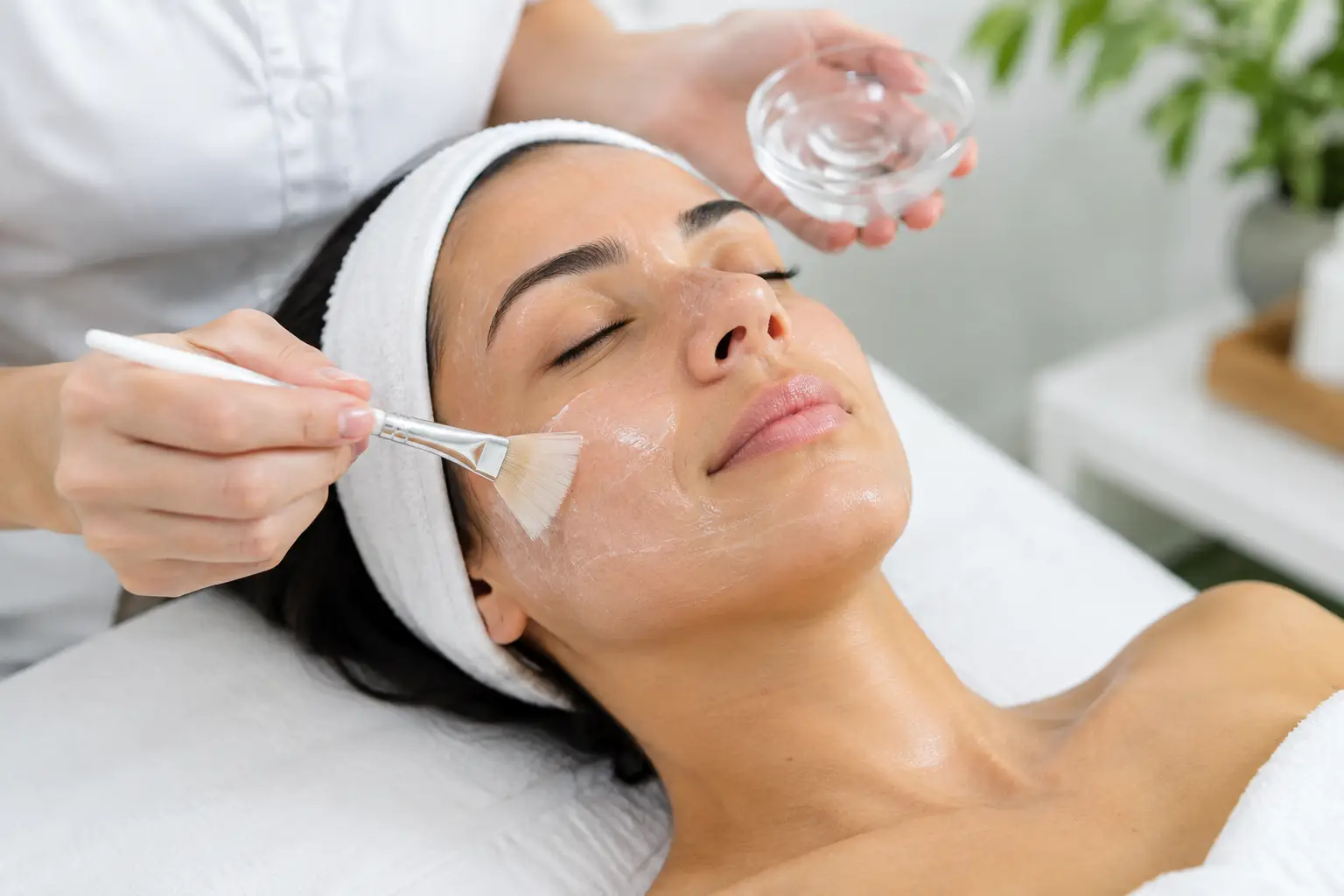
Acne Facials for Clearer, Calmer-Looking Skin
A breakout before a big meeting, event or holiday can make you want a fast fix. Acne facials offer something more useful: targeted professional care that addresses the congestion, excess oil and surface build-up that can keep skin looking unsettled. The right treatment is not about aggressively scrubbing your skin clear. It is about supporting a calmer, cleaner-looking complexion without compromising your skin barrier.
At Ibeauty Medispa, every facial should begin with a close look at what your skin is doing now, not a one-size-fits-all routine. Acne can look very different from person to person. Some clients have persistent blackheads around the nose and chin, while others are dealing with active inflamed breakouts, uneven texture or lingering post-acne marks.
What are acne facials designed to do?
Acne facials are professional skin treatments tailored to congestion-prone and breakout-prone skin. They typically focus on thorough cleansing, controlled exfoliation, safe extractions where appropriate, hydration and calming support. The goal is to improve the conditions that contribute to blocked pores while helping the skin look more refined, balanced and refreshed.
A facial cannot promise to cure acne. Acne may be influenced by hormones, genetics, stress, medication, cosmetics and your wider skincare routine. However, regular professional treatments can be a valuable part of managing mild congestion and maintaining clearer-looking skin, especially when paired with suitable home care.
The best approach depends on the type of breakout. A face covered in sore, inflamed lesions needs a gentler strategy than skin with mainly blackheads, whiteheads and rough texture. Trying to treat both concerns with the same level of exfoliation can leave skin irritated, which may make it look redder and feel more reactive.
What happens during an acne facial?
Your appointment should feel considered from the beginning. Your therapist will assess your current concerns, ask about products and treatments you are using, and check whether your skin is sensitive, dehydrated or actively inflamed. This matters because ingredients that suit oily skin are not automatically right for every acne-prone complexion.
Treatment usually begins with a professional cleanse to remove makeup, sunscreen, oil and daily build-up. From there, exfoliation may be used to lift dull surface cells and help clear congested pores. Depending on your skin, this may involve a gentle enzyme-based treatment, carefully selected active ingredients or a controlled resurfacing step.
If extractions are suitable, they should be performed with precision and hygiene. Safe professional extraction can help clear certain blackheads and superficial congestion. It is not the same as picking at home. Squeezing blemishes with fingernails or unclean tools can increase inflammation, spread bacteria and raise the risk of marks or scarring.
The treatment is then balanced with calming, hydrating care. This is the step many people miss when they build an at-home anti-acne routine. Skin that has been over-cleansed or stripped of moisture can feel tight, sting easily and produce more oil in response. A quality facial aims for clarity and comfort, not that squeaky-clean feeling.
LED light therapy can complement acne care
LED light therapy may be recommended as part of a tailored acne treatment plan. It is a non-invasive option that uses specific wavelengths of light to support the appearance of calmer, clearer skin. Many clients enjoy it because it is comfortable, requires no downtime and can be incorporated alongside other facial treatments.
LED is not a replacement for medical care where acne is severe, painful or leaving scars. It is best viewed as a supportive treatment that may suit clients seeking a consistent professional skincare plan. Your therapist can advise whether it is appropriate for your current skin condition.
Who may benefit from acne facials?
Acne facials can suit adults who experience regular congestion, excess shine, blackheads, occasional breakouts or uneven skin texture. They can also be helpful before a special occasion, provided there is enough time for the skin to settle and the treatment is chosen carefully.
They are especially worthwhile when your home routine feels stalled. You may be cleansing every day and still notice stubborn congestion along the jawline, chin or forehead. Professional assessment can identify common issues such as using products that are too rich, layering too many actives, skipping moisturiser or exfoliating too often.
There are times when a facial should be postponed or adapted. Very inflamed acne, open lesions, sunburn, a damaged skin barrier, recent cosmetic procedures or certain prescription skincare products may change what can be safely performed. Always disclose medications, allergies and recent treatments before your appointment. If you have cystic acne, significant pain or scarring, a GP or dermatologist may be the right first step alongside your beauty treatments.
How often should you book acne facials?
Consistency usually delivers better results than an occasional intensive treatment. For active congestion, some clients start with appointments every two to four weeks, then move to maintenance facials as their skin becomes more balanced. Your ideal schedule depends on your skin, budget, lifestyle and how it responds after each appointment.
More is not always better. Frequent strong exfoliation can disrupt the skin barrier and trigger sensitivity. A personalised plan may alternate deeper cleansing or resurfacing appointments with hydrating, calming treatments, particularly if your skin is also dry or sensitised.
Give any new treatment time to work. Skin does not transform overnight, and introducing too many changes at once makes it difficult to know what is helping. Photos taken in consistent lighting can be more useful than checking your reflection several times a day, as day-to-day redness and swelling can fluctuate.
Make your results last between appointments
Your at-home routine has a major influence on how your skin looks between visits. Keep it simple and consistent rather than chasing every trending product. Cleanse gently, use a moisturiser suited to your skin type and apply broad-spectrum sunscreen each morning. Sun exposure can make post-acne marks appear darker and can slow the appearance of an even skin tone.
Avoid harsh scrubs, frequent face picking and combining multiple strong active products without guidance. For example, using exfoliating acids, retinoids and abrasive scrubs in the same routine may feel like you are being proactive, but it can lead to dryness, peeling and irritation. Your therapist can help you understand when to use active products and when your skin needs recovery.
Clean makeup brushes regularly, change pillowcases often and choose cosmetics labelled non-comedogenic where possible. These details will not solve every breakout, particularly hormonal acne, but they can reduce unnecessary pore-clogging factors around the face.
What to expect after treatment
After an acne facial, skin may look brighter and feel smoother straight away. If extractions or exfoliation were performed, mild redness or sensitivity can occur for a short period. Plan your appointment with this in mind, especially before a wedding, photo session or important event.
For the first day or two, treat your skin gently. Avoid scrubbing, strong active products, saunas and heavy makeup if possible. Use the aftercare advice provided by your therapist rather than experimenting with a new product at home. A clear, well-supported complexion is built through thoughtful treatment choices, not by pushing your skin past its limits.
When breakouts affect how you feel, professional care can bring both a clearer plan and a welcome confidence boost. Book a skin consultation to understand what your complexion needs now, then give it the consistent, expert care it deserves.