
A Guide to Acne Facial Treatments That Work
Active breakouts can make even a carefully planned skincare routine feel unpredictable. The right guide to acne facial treatments starts with one simple truth: acne is not one-size-fits-all. A treatment that suits congested, oily skin may be too stimulating for inflamed breakouts or skin that is dry, sensitised and already using prescription products.
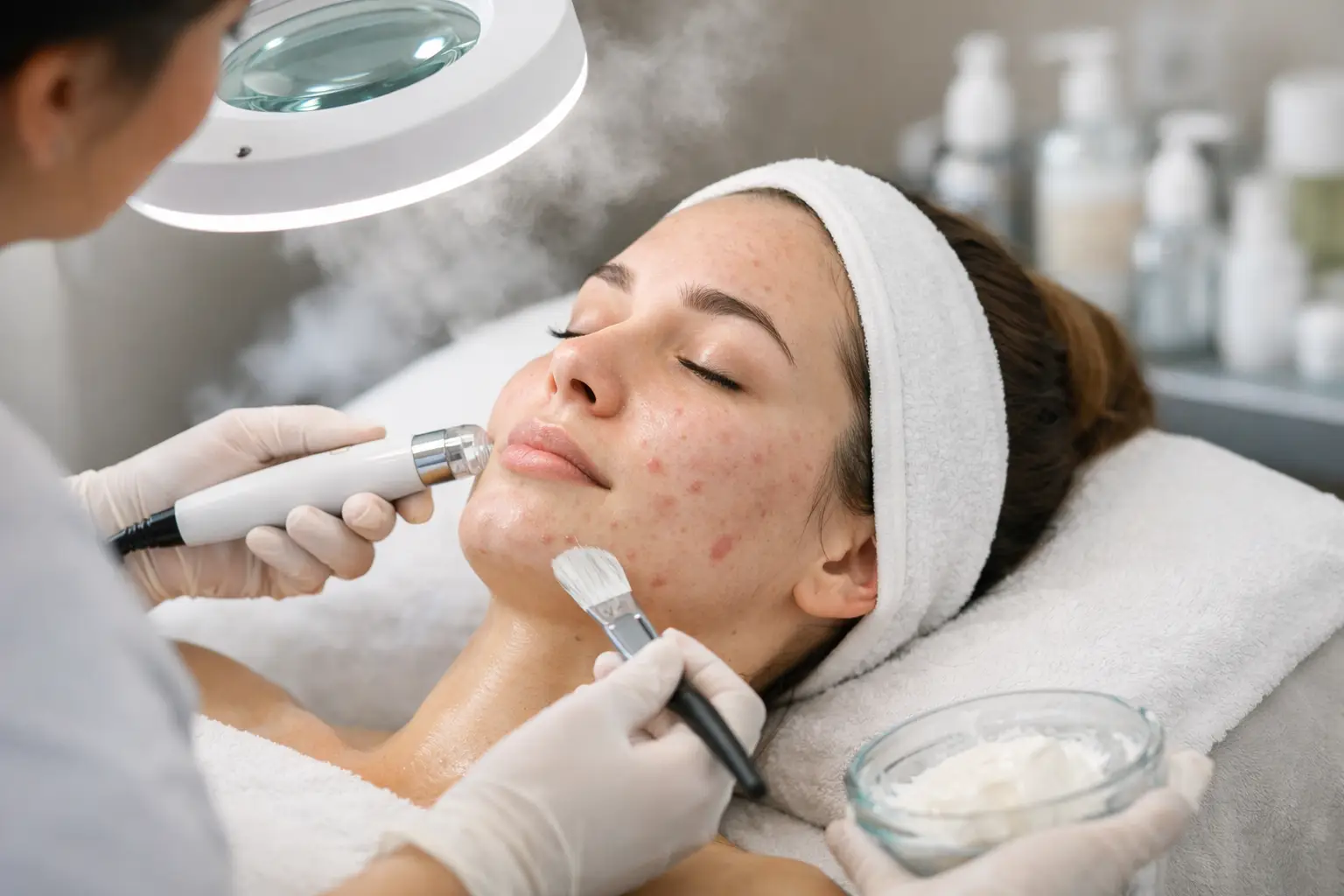
Professional acne facials are designed to support clearer-looking, more balanced skin through targeted cleansing, exfoliation, extractions and calming care. When chosen well and performed with care, they can help reduce surface congestion, improve skin texture and give you a more confident starting point for your home routine.
What an acne facial can help with
Acne facials are professional skin treatments tailored to concerns such as blackheads, whiteheads, excess oil, blocked pores and recurring blemishes. They are not a replacement for medical acne treatment where acne is severe, painful, cystic or causing scarring, but they can be a valuable part of a consistent skin management plan.
The best treatment begins with a close look at what is happening in your skin. Are your breakouts mostly small bumps across the forehead? Are you dealing with blackheads through the nose and chin? Is your skin oily but dehydrated, or are blemishes appearing around the jawline alongside sensitivity? These details shape the treatment choice.
A professional facial may help to:
- remove built-up oil, makeup residue and dead skin cells that contribute to congestion
- safely clear suitable blackheads and whiteheads through careful extractions
- refine the look of rough texture and enlarged-looking pores
- calm the appearance of redness and support the skin barrier
- improve how smoothly makeup sits while helping skin look fresher between appointments
Results are often gradual rather than instant. A single appointment can leave skin feeling cleaner and less congested, but persistent acne usually responds best to a planned course of treatments and realistic at-home care.
Guide to acne facial treatments: choosing the right option
The right facial depends on your current skin condition, not just the word “acne” on a treatment menu. Skin can change with stress, hormones, seasons, medications and product use, so an experienced therapist will adjust the approach rather than applying the same routine at every visit.
Deep-cleansing acne facials
A deep-cleansing facial is often a strong choice for oily or congested skin with blackheads, whiteheads and a dull surface build-up. The treatment generally focuses on thorough cleansing, gentle exfoliation, steam or softening steps where suitable, and targeted extractions.
Extractions should never be rushed or aggressive. Squeezing active, inflamed pimples can increase irritation and may raise the risk of marks. The focus should be on congestion that can be removed safely, with the rest of the facial centred on soothing and restoring comfort.
Microdermabrasion for congestion and texture
Microdermabrasion uses controlled mechanical exfoliation to lift surface dead skin cells. For the right client, it can help smooth rough texture, brighten a dull complexion and assist with superficial congestion. It may also help skincare products apply more evenly after treatment.
However, more exfoliation is not always better. Microdermabrasion may not be appropriate over very inflamed, broken, irritated or cystic acne. If your skin is tender, peeling from active ingredients, or reactive after a breakout, a gentler facial approach may deliver a better result.
Hydra-Micro treatments for a clearer, hydrated finish
Hydra-Micro treatments can be ideal when your skin feels both congested and dehydrated. Many acne-prone clients try to dry out every blemish, only to end up with tight, flaky skin that produces more oil to compensate. A hydrating treatment can help restore a healthier-looking balance while focusing on surface impurities and texture.
This option is particularly useful before an event if you want a polished glow without choosing a harsh, high-downtime treatment. Your therapist can tailor the intensity according to whether your main concern is congestion, dehydration, uneven texture or a combination of all three.
LED light therapy for calm, supported skin
LED light therapy is a non-invasive addition often used to support acne-prone and inflamed-looking skin. Different wavelengths are selected for different concerns, with blue light commonly used for breakout-prone skin and red light often chosen to support a calmer, more balanced-looking complexion.
LED is gentle and requires no downtime, making it a practical option for clients who are sensitive or who want ongoing support between more active treatments. It works best as part of a series rather than a once-only fix. Your skin goals, current breakouts and lifestyle will determine how often it should be included.
Dermaplaning: not always the first choice for acne
Dermaplaning removes fine facial hair and surface dead skin using a sterile blade. It can leave skin exceptionally smooth and luminous, but it is not automatically the best choice for active acne. Working over inflamed lesions can aggravate the skin, so this treatment is generally better suited to clients whose acne is settled and whose main concern is rough texture or post-breakout dullness.
This is where professional judgement matters. A quality facial plan does not push a popular treatment when your skin needs something different that day.
What to expect at your appointment
Your appointment should begin with a consultation, not a rushed cleanse. Be open about your skin history, allergies, sensitivities and the products you use at home. Mention retinoids, benzoyl peroxide, exfoliating acids, acne medications and any recent cosmetic treatments. These can change what is safe and suitable for your skin.
Your therapist will assess areas of oiliness, dehydration, active inflammation and congestion before selecting treatment steps. A customised acne facial may include double cleansing, exfoliation, carefully performed extractions, a clarifying or calming mask, LED light therapy and finishing products selected for your skin type.
Afterwards, some temporary pinkness is normal, especially following extractions or exfoliation. Avoid touching your face, applying heavy makeup straight away, exercising intensely, using a sauna or adding strong active products for the period recommended by your therapist. Let your skin settle before returning to your usual routine.
Getting better results between facials
Professional treatments work harder when your daily routine supports them. Keep it simple and consistent. Overloading acne-prone skin with scrubs, masks and multiple acids can compromise the skin barrier, making irritation and breakouts harder to manage.
Cleanse gently morning and night, particularly after wearing makeup or sunscreen. Choose lightweight, non-comedogenic products where possible, and wear sunscreen daily, especially if you are using exfoliating products or booking resurfacing treatments. Sun exposure can make post-breakout marks look darker and linger longer.
Avoid picking. It is tempting, particularly before work, a weekend event or a special occasion, but picking can push inflammation deeper and increase the chance of visible marks. If a blemish needs attention, leave it to a trained therapist or seek advice from a medical professional for persistent lesions.
Treatment frequency depends on the severity of your congestion, your skin’s sensitivity and the facial selected. Some clients benefit from regular appointments every few weeks during an active breakout phase, then move to maintenance facials once their skin is more settled. Others need a gentler schedule alongside dermatologist-prescribed care.
When to seek medical advice
Facials are a beauty and skin-correction service, but severe acne needs medical support. See a GP or dermatologist if you have deep, painful lumps, widespread inflammation, scarring, sudden adult-onset acne, or breakouts that are affecting your confidence and wellbeing. Medical treatment and professional facials can often work alongside each other when timed and selected appropriately.
At Ibeauty Medispa, a customised approach matters because your skin deserves more than a generic treatment. Whether you need a deep cleanse for stubborn congestion, calming LED support or a hydration-focused facial that respects a compromised barrier, the goal is clear, comfortable skin and visible care at every step.
Your best next move is to book a skin consultation while your concerns are current, bring along the products you use, and let your treatment plan be built around the skin you have now, not the skin you wish you had overnight.