Brow Mapping Consultation Guide for Better Brows
A good brow shape can lift the face, soften strong features and make daily makeup feel almost optional. That is exactly why a brow mapping consultation guide matters before any tint, sculpt, lamination, cosmetic tattooing or microblading appointment. Brow work is never just about removing a few hairs. It is about planning the right shape for your bone structure, natural growth pattern and the result you actually want to see in the mirror.
What a brow mapping consultation guide should cover
A proper consultation sets the standard for the entire service. If the mapping is rushed, the final result often looks too sharp, too heavy, too thin or simply wrong for the face. Precision at the consultation stage helps avoid those common problems.
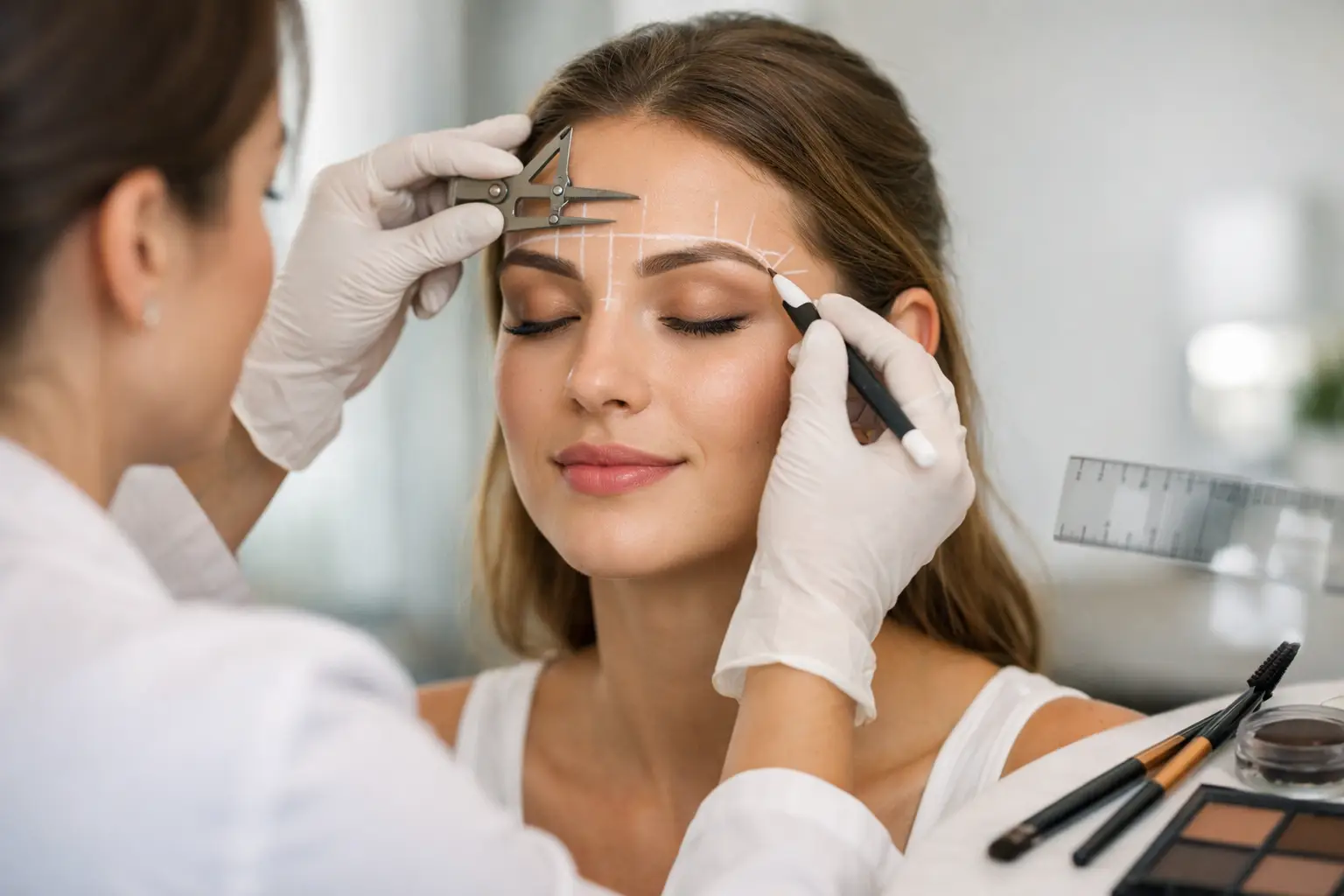
Brow mapping is the process of measuring and designing the brow shape before treatment begins. The artist uses facial landmarks to identify where the brow should start, where the arch should sit and where the tail should finish. This gives structure to the shape, but it is never a copy-and-paste formula. The best results come from balancing measurement with artistry.
Your natural brows, muscle movement, forehead height, eye placement and facial symmetry all affect the final design. Some clients suit a fuller, straighter brow. Others need a gentle arch to open the eye area. A strong brow can be beautiful, but only when it suits the face rather than dominating it.
Why mapping matters before any brow service
Many clients think brow mapping is only necessary for cosmetic tattooing. In reality, it improves almost every brow service. Even a standard wax and tint benefits from a mapped shape because it creates cleaner lines and more consistent results.
For microblading and cosmetic tattoo eyebrows, mapping is essential. These treatments last, so every design choice carries more weight. A brow that feels trendy today may not feel right in a year if it was never suited to your facial proportions in the first place. Mapping helps create a shape that looks polished now and still makes sense later.
It also gives clients confidence. When you can see the proposed outline before treatment starts, the appointment feels more collaborative and less uncertain. That matters, especially if you have had poor brow experiences before, over-plucked in the past or are trying to rebuild sparse areas.
Brow mapping is not about forcing perfect symmetry
This is one of the biggest misconceptions. Faces are naturally asymmetrical. One brow may sit slightly higher, one eye may open more strongly, or one side may have denser hair growth. A skilled consultation accounts for those differences instead of pretending they do not exist.
The goal is balance, not identical brows. Trying to make both sides exactly the same can lead to overworking the shape and removing too much hair. In most cases, the better result is a pair of brows that look harmonious on the face, even if they are not mathematically identical up close.
What happens during a brow mapping consultation
A high-quality consultation usually begins with a visual assessment. The brow specialist looks at your natural shape, hair density, skin type, previous brow work and overall facial structure. They should also ask practical questions about your routine and preferences.
That conversation matters more than many people realise. Some clients want a low-maintenance shape they can brush into place each morning. Others want a more defined finish because they wear polished makeup daily. Neither preference is wrong, but the design has to match how you want to present yourself.
From there, measurements are marked onto the skin using specific facial reference points. The start of the brow is often aligned from the side of the nose. The arch is determined in relation to the iris or outer edge of the pupil, depending on the face. The tail is generally mapped towards the outer corner of the eye. Those guide points are then connected and refined.
The outline is adjusted based on your features, not just the textbook pattern. A consultation should include time to assess thickness, tail length, front softness and the height of the arch. You should be shown the draft shape before treatment begins, with room for feedback.
Questions a good brow specialist will ask
An experienced brow artist will want to know if you fill your brows in every day, whether you prefer soft or defined styling, and if you have had previous tattooing or shaping that changed the natural brow line. They may also ask about skin sensitivity, active skincare and recent treatments.
These questions are not small talk. Retinol use, recent exfoliation, acne medication and skin treatments can all affect how the skin responds to waxing, tinting or tattooing. Brow design is only one part of the appointment. Skin condition and aftercare planning are just as important for a clean result.
How face shape influences brow design
Face shape is useful, but it should never be the only factor. A round face may suit some lift through the arch, while a longer face often benefits from a flatter brow line that creates width. A heart-shaped face can handle softness through the front and a more delicate tail. Square features may suit a fuller brow with a controlled arch to balance strong bone structure.
Still, face shape alone is too broad to make every decision. Two clients with the same general face shape can need completely different brow work because their brow bones, eye spacing and natural hair patterns are different. That is why tailored mapping gets better results than trend-led shaping.
The difference between natural-looking and underdone
A lot of clients ask for natural brows, but natural means different things to different people. For some, it means soft and fluffy. For others, it means polished but not overly dark. A strong consultation helps define that clearly before treatment begins.
Natural-looking brows still need structure. If the shape is too conservative, the result can look unfinished or make sparse areas more obvious. If the shape is too heavy, the brow can overpower the eyes and harden the face. The right result sits in the middle – refined enough to frame the face, soft enough to still look like you.
Brow mapping consultation guide for cosmetic tattoo clients
If you are considering microblading, ombré brows or another cosmetic tattoo technique, the consultation stage becomes even more detailed. Skin type, lifestyle, existing brow hair and long-term maintenance all need to be discussed honestly.
For example, oily skin may not hold crisp hairstrokes as well as drier skin, so another technique may produce a better healed result. Sparse brows with little natural shape often need more structural design than brows that already have a good baseline. Clients who exercise heavily, spend a lot of time in the sun or use active skincare need realistic expectations around retention and touch-ups.
This is where expert guidance matters. A quality-focused clinic will not simply agree to the thickest or darkest shape requested if it does not suit your face or heal well over time. The best consultation protects the result, not just the booking.
How to prepare for your consultation
Come to your appointment with your brows grown in as much as possible. That gives the specialist a clearer view of the natural growth pattern and any asymmetry that needs correction. Avoid tweezing beforehand, even if the regrowth feels untidy.
If you normally wear brow makeup, you may find it helpful to arrive with a clean face or be ready to remove the product. Photos of brow styles you like can help, but they should be treated as inspiration rather than a blueprint. Your perfect eyebrows need to suit your features, not someone else’s.
It is also wise to mention any previous cosmetic tattooing, brow lamination, skin sensitivities or recent facial treatments. The more accurate the consultation, the more precise the treatment plan.
Choosing a clinic that takes brow mapping seriously
Not every brow appointment includes the same level of care. If a clinic treats consultation as a quick formality, that can show in the result. Good brow work starts well before the wax strip, tint brush or tattoo machine appears.
Look for a provider that values facial assessment, clear communication and measured design. You want someone who explains why a shape works, where adjustments are needed and what result is realistic based on your natural brow foundation. Precision should feel visible throughout the service.
At a specialist clinic such as Ibeauty Medispa, that attention to detail is what turns a standard brow appointment into a tailored beauty service. The difference is often subtle in process but obvious in the mirror.
The right brow shape should not feel accidental. It should look considered, suit your face at every angle and make getting ready easier, not harder. A careful consultation is where that result begins, and it is often the part clients appreciate most once they see how much better their brows can look with a proper plan.