
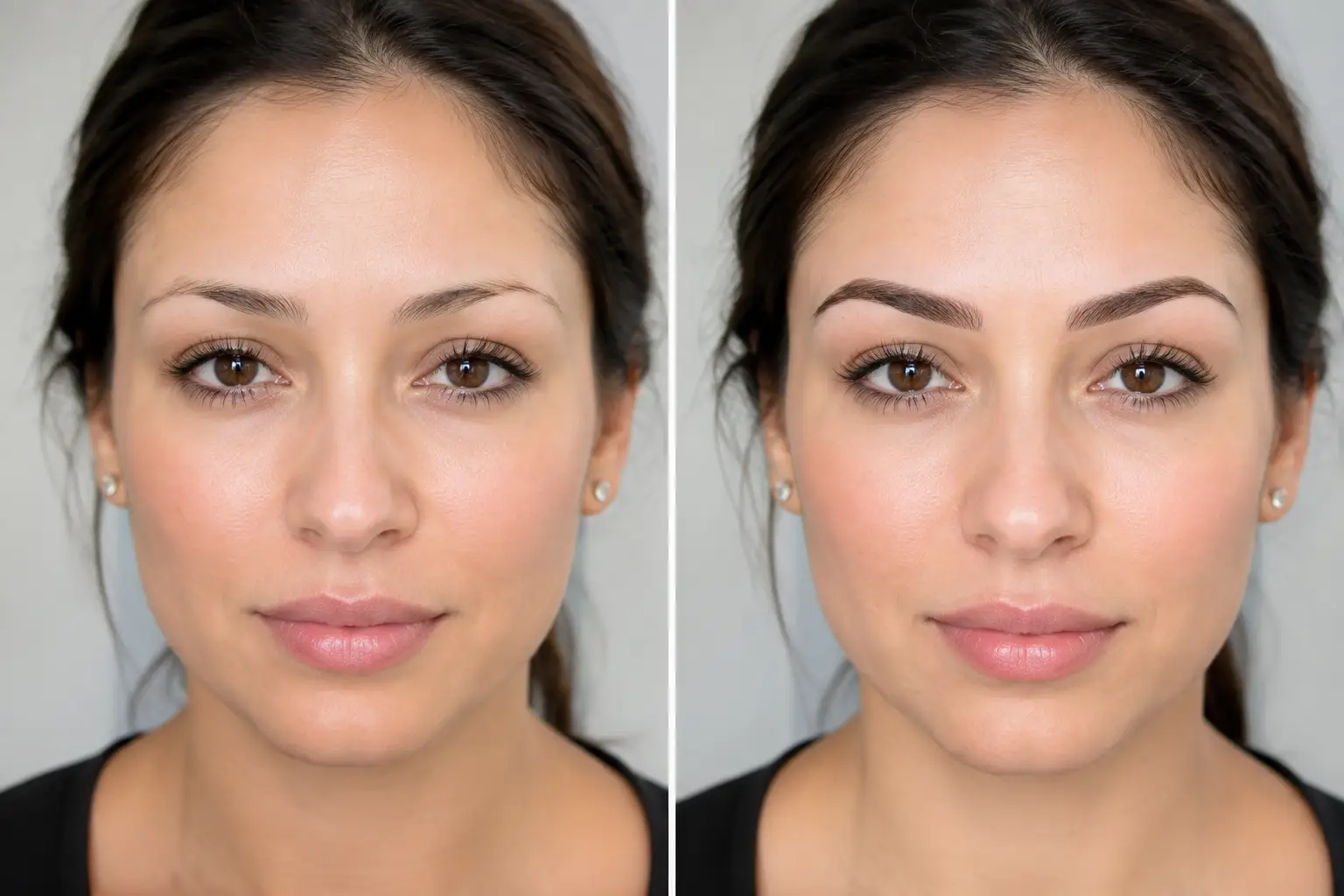
Microblading Correction Before and After Results
A disappointing brow tattoo can affect more than your morning makeup routine. When pigment has faded to an unwanted tone, the shape feels too heavy, or the strokes no longer suit your face, it is natural to look for microblading correction before and after results and wonder what is realistically possible for you.
A successful correction is not about covering old work as quickly as possible. It is a careful process of assessing the existing pigment, your skin, your natural brow hair and the shape that will complement your features now. The best result is often softer, more balanced and more believable than clients expect, but it starts with an honest consultation and a treatment plan built around your brows.
What microblading correction can improve
Microblading correction may address brows that have healed too warm, cool, grey, red or orange, as well as uneven arches, overly thick fronts, tails that sit too low, or strokes that have blurred over time. In some cases, the correction is subtle. A skilled cosmetic tattoo artist can adjust the tone, refine the outline and introduce hair-like detail where it will create a more natural finish.
In other cases, a cover-up is not the right first step. Dark, saturated or poorly positioned pigment can still show through new work. Adding more colour too soon may make brows appear denser, wider or muddier. Quality over quantity matters here: correcting what is already present often delivers a far better long-term result than trying to conceal it in one appointment.
Your before and after result will depend on the depth and colour of the previous tattoo, how long ago it was performed, your skin type, previous removal treatments and whether there is enough clear skin space to create a new shape. Brows with old faded pigment are often more straightforward to correct than brows with very dark or heavily layered tattoo ink.
Before your correction: a proper brow assessment
The correction process begins with close assessment, not a standard microblading appointment. Your artist needs to see your brows in person, without brow makeup, and understand what has been done previously. Bring any information you have about earlier treatments, including when they were performed and whether you have had pigment lightening or removal.
At your consultation, the focus should be on four things: the current pigment colour, where the pigment sits in the skin, the existing brow shape and the condition of your natural brow hair. Your face shape, skin tone and everyday style also matter. A brow that looked right five years ago may not reflect how you want to look now.
A great artist will explain whether you are suited to correction, whether a saline tattoo removal plan is needed first, or whether it is better to allow further fading before proceeding. This can feel frustrating if you want an immediate fix, but it protects the final result. Cosmetic tattooing is a precise service, and rushed decisions can create more work later.
When removal may be recommended first
Saline tattoo removal may be recommended when old pigment is too dark, too broad or outside the shape you now want. It can also be useful where previous pigment has changed to a strong grey, blue, red or orange tone that cannot be neutralised predictably with fresh cosmetic tattoo colour.
Removal does not always mean erasing every trace of pigment. The goal may simply be to lighten selected areas, create more room around the brow and make a new design possible. Several sessions may be required, with healing time between each one. Your artist will advise on the safest timing based on your skin and the amount of existing pigment.
The microblading correction before and after process
Once the treatment plan is clear, your appointment is designed around creating a shape that works with your natural face rather than forcing a trend. Precise brow mapping comes first. This helps balance the start, arch and tail of each brow while accounting for natural facial asymmetry. No face is perfectly symmetrical, so the aim is harmony, not identical brows.
If correction can be performed without removal, the artist may use colour correction techniques to counter unwanted tones before adding the chosen pigment. For example, warmth may be used strategically to soften an ashy appearance, while a carefully selected shade can help a faded red tone settle into a more natural-looking brown. Pigment selection is highly individual and should never be based on a one-size-fits-all shade chart.
The method also depends on your existing tattoo and skin. Fine hairstroke microblading can create delicate definition where there is clear skin and suitable texture. A soft powder or combination brow may be the better option when old strokes have blurred, the skin is oilier, or more even coverage is needed. The right technique is the one that gives you a refined, wearable result after healing, not simply the one that looks strongest on the day.
Immediately after treatment, corrected brows usually appear darker, warmer and more defined than their healed result. This is expected. Over the following days, the colour will soften and the skin will begin its healing cycle. Some flaking or light scabbing can occur, and the brows may look patchy before the pigment settles.
Avoid picking, rubbing or trying to fill areas in with makeup while they heal. Follow your aftercare instructions carefully, including avoiding excessive water, sweating, swimming, facials, exfoliation and sun exposure for the advised period. These details genuinely influence pigment retention and the clarity of the finished brow.
What to expect after healing
Most brow corrections require a perfecting appointment after the initial treatment. This allows your artist to assess how the skin has retained colour, reinforce areas that healed lighter and make small adjustments to balance the finished shape. It is especially important with corrective work because older pigment and scar tissue can affect how new colour settles.
Healed results should look softer than the immediate after photo. The ideal outcome is not a blocky, overdrawn brow. It is a polished frame for your face that still lets your natural features lead. Depending on the starting point, you may see improved symmetry, a more flattering arch, warmer or more neutral colour and a cleaner overall brow line.
It is also important to set realistic expectations. Correction cannot always produce a completely blank canvas or a perfect transformation in one session. If old pigment is deeply saturated or extends beyond the desired shape, lightening and gradual refinement may be the safest path. An experienced specialist will be clear about these limitations before any pigment is placed.
How long do corrected brows last?
Like all cosmetic tattooing, corrected brows fade gradually rather than staying the same forever. Longevity varies with skin type, lifestyle, skincare products, sun exposure and the pigment used. Oily skin and active ingredients such as retinol, acids and exfoliants can contribute to faster fading, particularly around the brow area.
Many clients choose colour boosts or maintenance appointments to keep their brows fresh and balanced. Maintaining your brows before they become very faded or noticeably discoloured can make future refresh appointments simpler than waiting until extensive correction is needed again.
Choosing the right artist for brow correction
Corrective cosmetic tattooing requires a higher level of judgement than a fresh brow treatment. Look beyond dramatic before and after photos. Ask to see healed work, examples of corrections similar to your own starting point and results across different skin types and pigment colours.
You should feel comfortable asking direct questions about whether removal is needed, what technique is being recommended and how many appointments may be involved. Be cautious of anyone who promises to cover every old tattoo immediately. Your brows deserve a considered plan, especially when there is existing pigment in the skin.
At Ibeauty Medispa, brow correction is approached with precision, honest advice and a focus on results that suit your face. The goal is not to give you somebody else’s brows. It is to create brows that look refined, balanced and confidently yours.
If you are unhappy with previous microblading, book a consultation before committing to another treatment. The right plan may involve correction, lightening or simply allowing time for old pigment to fade – and that professional guidance is the first step towards brows you are genuinely happy to see in the mirror.