
What Is Eyebrow Microblading?
You can spend years filling, brushing and correcting your brows every morning, only to end up with a shape that still feels uneven by lunch. That is exactly why so many clients ask, what is eyebrow microblading, and is it worth it? For anyone wanting fuller-looking, more defined brows without daily makeup, microblading can be a very practical beauty investment.
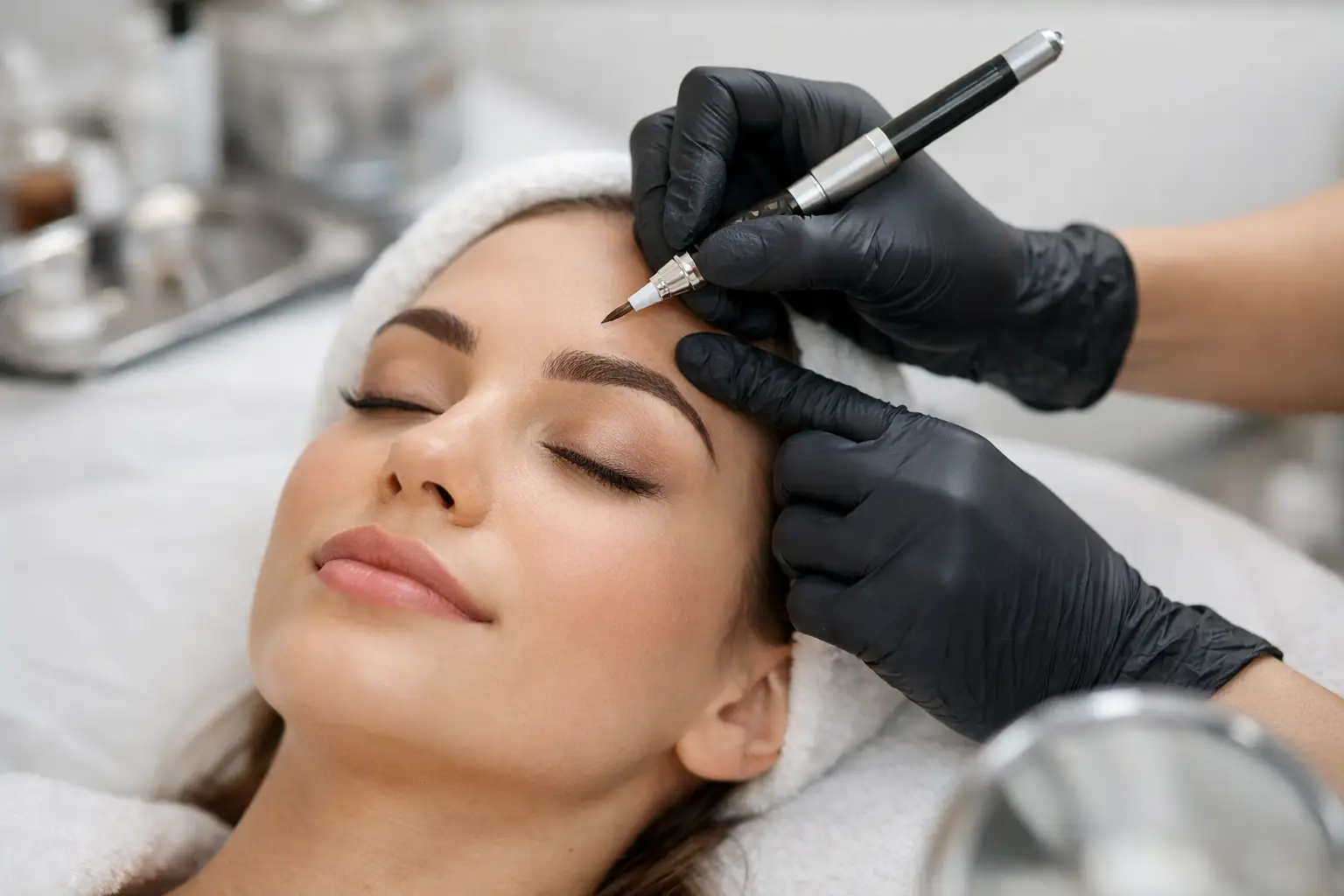
Microblading is a semi-permanent cosmetic tattoo technique designed to improve the shape, fullness and balance of the eyebrows. Unlike traditional brow makeup that sits on the skin, microblading places pigment into the upper layers of the skin using a handheld tool made up of very fine needles. The result is a series of delicate, hair-like strokes that mimic the look of natural eyebrow hairs.
When it is done well, the finish should not look heavy, blocky or harsh. It should look polished, soft and believable – like your brows on their best day.
What is eyebrow microblading and how does it work?
At its core, microblading is about creating realistic definition where the natural brow is sparse, patchy, overplucked or uneven. During the treatment, a trained brow artist maps the brows to suit your facial proportions, bone structure and preferred finish. Pigment is then implanted into the skin in fine strokes that follow the direction of natural hair growth.
This is why microblading appeals to clients who want shape and structure but still want their brows to look natural. It is not simply about making the brows darker. It is about correcting asymmetry, filling gaps and building a cleaner brow line that still suits your face.
The technique sits somewhere between makeup and permanent cosmetic tattooing. It lasts much longer than tinting or pencil, but it is not considered permanent in the same way as older tattoo methods. Over time, the pigment fades and usually needs a colour boost or touch-up to keep the brows looking fresh.
Who is microblading best for?
Microblading suits many clients, but not every brow or every skin type will respond the same way. The best candidates are usually people with sparse brows, thin tails, patchy growth, old overplucking damage or naturally light definition. It can also be a strong option for busy professionals who want to reduce the time they spend getting ready each day.
Clients often choose it because they are tired of drawing their brows on, worried about makeup rubbing off, or frustrated that one brow never matches the other. In these cases, microblading can offer a cleaner and more consistent result.
That said, skin type matters. Normal to dry skin often holds crisp hair strokes more clearly than very oily skin. Clients with oily or textured skin may still be suitable, but the healed result can appear softer rather than sharply defined. In some cases, a different cosmetic brow tattoo technique may deliver a better long-term outcome.
This is where an experienced consultation matters. A quality treatment is not about pushing everyone into the same brow service. It is about choosing the right method for the skin, lifestyle and desired result.
What does eyebrow microblading look like?
The goal is realistic enhancement, not a drawn-on brow. A well-executed microblading treatment creates the appearance of extra brow hairs in the areas that need support. That might mean extending the tail, improving the arch, building density through the body of the brow, or balancing one side to better match the other.
Immediately after the appointment, the brows usually look darker and more defined than the healed result. This is normal. As the skin settles, the colour softens and the strokes become more natural-looking.
Clients who want a very bold, powdered or makeup-style brow may find microblading alone is not the ideal choice. If you prefer stronger definition, a combination brow or another cosmetic tattoo method may be more suitable. Again, the right result depends on the look you want to wear every day.
What happens during the appointment?
A professional microblading appointment should begin with consultation and brow design, not straight to pigment. Your artist will assess your existing brow shape, discuss your goals, review your skin and help choose a pigment tone that complements your colouring.
From there, the brows are measured and mapped carefully. This step is essential because precision is what gives the final result balance and symmetry. Once the shape is approved, a numbing product is generally applied to keep the treatment more comfortable.
The microblading process itself involves creating individual strokes through the brow area using the handheld tool. The appointment can take a couple of hours, largely because careful shaping and detail work take time. In a premium brow service, speed should never come before accuracy.
A follow-up perfecting session is usually part of the process. This touch-up appointment allows the artist to review how the brows healed, reinforce any areas where pigment faded unevenly and refine the final look.
Does microblading hurt?
This is one of the most common concerns, and the honest answer is that comfort levels vary. Most clients describe the sensation as manageable rather than painful, especially when numbing is used. You may feel light scratching, pressure or sensitivity, but it is generally very tolerable.
Some factors can make the skin more sensitive, including your natural pain threshold, the time of your menstrual cycle, recent caffeine intake and overall skin condition. A skilled artist will work in a controlled, careful way and monitor your comfort throughout the appointment.
How long does eyebrow microblading last?
Microblading is semi-permanent, so it fades gradually rather than staying unchanged. On average, results can last around 12 to 18 months, although this varies from person to person. Skin type, sun exposure, skincare products, exfoliation, lifestyle and aftercare all affect longevity.
Clients with oilier skin may notice faster fading. Frequent use of active skincare ingredients such as retinol, acids and exfoliants around the brow area can also break down pigment more quickly. Sun exposure is another major factor, which is why protecting the brows after healing matters.
Regular maintenance keeps the shape and colour looking more polished. Without touch-ups, the pigment continues to fade and the brows slowly lose definition.
Healing and aftercare matter more than people think
The healing period is part of the treatment, not an afterthought. After microblading, the brows can look darker for the first several days. Mild tenderness, dryness or flaking is common as the skin repairs itself. It is important not to pick, scratch or disrupt the area.
Your artist will provide aftercare instructions, and following them properly helps protect both colour retention and skin healing. That usually means keeping the area clean, avoiding excessive moisture and sweat in the early stage, and staying away from strong skincare products over the brows.
Healing is not always linear. Brows can appear too dark, then too light, before settling into a more even result. That is one reason the touch-up appointment is so valuable. It allows the brows to be adjusted based on how your skin actually retained the pigment.
What are the benefits of microblading?
The biggest benefit is convenience. Waking up with brows that already look shaped and defined saves time and removes a lot of daily effort. For many clients, that alone makes the treatment appealing.
There is also the confidence factor. Brows frame the face, and when they are balanced and properly shaped, the whole face can appear more polished. Microblading can make sparse brows look fuller, improve symmetry and create a more lifted, refined appearance without the need for daily brow products.
For clients who want visible results but still value softness and natural beauty, this treatment sits in a very attractive middle ground.
Are there any downsides?
There are trade-offs, and good advice should be honest about them. Microblading is not a one-time treatment that stays perfect forever. It requires maintenance, proper aftercare and realistic expectations.
It is also highly technique-dependent. A poor brow shape, wrong pigment choice or incorrect depth can affect the outcome, which is why choosing a qualified cosmetic tattoo specialist is so important. Cheap brow work often looks expensive to fix.
Another factor is suitability. Some skin types do not heal crisp strokes as neatly as others, and some clients want a finish that would be better achieved with another brow tattoo method. The best result comes from a treatment plan built around the individual, not a trend.
What is eyebrow microblading compared with brow tattooing?
People often use these terms interchangeably, but they are not always the same. Microblading is one type of cosmetic brow tattoo, specifically known for its hair stroke technique created with a manual tool. Other brow tattoo methods may use a machine and can create soft shading, powder finishes or combination brows.
If your priority is ultra-natural hair simulation, microblading may be ideal. If you want more density, longer-lasting definition or have skin that does not retain strokes well, another brow tattoo style may be a better fit. A specialist clinic such as Ibeauty Medispa will assess this properly rather than giving a one-size-fits-all answer.
Eyebrow microblading works best when it is tailored, precise and designed to enhance your natural features rather than overpower them. If you are considering it, the smartest first step is not chasing the cheapest option – it is choosing an experienced brow professional who understands shape, skin and long-term results.