
Waxing Aftercare for Ingrown Prevention
Freshly waxed skin should feel smooth, clean and confident – not itchy, bumpy or irritated a few days later. The right waxing aftercare for ingrown prevention starts the moment your appointment finishes. A little restraint in the first 24 to 48 hours, followed by a consistent skin routine, can make a visible difference to how your skin recovers and how long your results stay polished.
Ingrown hairs can happen after any form of hair removal, especially in areas where hair is coarse, curly or exposed to friction. They are common, but they are not something you simply have to put up with. Understanding why they form helps you give your skin the care it needs between waxing appointments.
Why ingrown hairs appear after waxing
Waxing removes hair from the root, which is why it delivers a much smoother finish than shaving. As new hair starts to grow through, however, it can become trapped beneath a build-up of dead skin cells. Rather than growing straight out of the follicle, the hair may curl back into the skin or struggle to break through the surface.
This can look like a small raised bump, redness, tenderness or a pimple-like spot. Bikini, Brazilian, underarm and leg waxing clients may be more prone to ingrown hairs because these areas experience sweat, tight clothing, rubbing and thicker regrowth. Naturally curly hair can also be more likely to re-enter the skin.
Aftercare cannot change your natural hair texture, but it can reduce the conditions that encourage hairs to become trapped. The goal is simple: keep freshly waxed skin calm, clean, hydrated and gently exfoliated at the right time.
The first 24 hours: protect newly waxed skin
Your follicles remain open and your skin can be more sensitive immediately after waxing. This is not the time to test a new body scrub, wear restrictive activewear or spend an afternoon in the sun. Give the area a quiet recovery period.
For the first 24 hours, avoid hot baths, saunas, steam rooms, spas and very hot showers. Heat and sweat can irritate the skin and may increase the risk of follicle congestion. It is also best to skip strenuous exercise, swimming pools and ocean swimming where possible, particularly after intimate waxing.
Choose loose, breathable clothing that will not rub against the treated area. Cotton underwear and relaxed trousers or skirts are a better option than tight leggings, synthetic gym wear or fitted jeans after a bikini or Brazilian wax. For underarms, a loose top can help reduce friction while the skin settles.
Keep products simple. Avoid heavily fragranced lotions, deodorants directly after underarm waxing, tanning products, perfume and active skincare ingredients on the treated area. If your skin feels warm or slightly tender, a cool compress may be soothing. Mild redness around the follicles can be normal after waxing and often settles quickly.
When to start exfoliating after waxing
Exfoliation is one of the most effective steps in waxing aftercare for ingrown prevention, but timing matters. Exfoliate too soon and you risk irritating skin that is already sensitive. Wait around 48 hours after your wax, or longer if the area still feels tender, red or reactive.
Once the skin is calm, gentle exfoliation two to three times per week can help lift dead skin cells before they block new growth. This does not mean scrubbing hard. Over-exfoliating can disrupt the skin barrier, create inflammation and leave the area looking rougher rather than smoother.
A chemical exfoliant formulated for the body can be a good choice for ingrown-prone skin, as it works without aggressive friction. Ingredients such as salicylic acid or lactic acid are commonly used to help clear surface build-up. A soft exfoliating mitt can also suit some clients, provided it is used with a light hand and not on irritated, broken or inflamed skin.
Your choice depends on your skin. Sensitive skin may respond better to less frequent exfoliation and a gentle formula, while oilier or thicker skin may tolerate a more regular routine. If you are unsure, ask your waxing therapist for a recommendation based on the area being treated and your history of ingrown hairs.
Hydration keeps regrowth moving freely
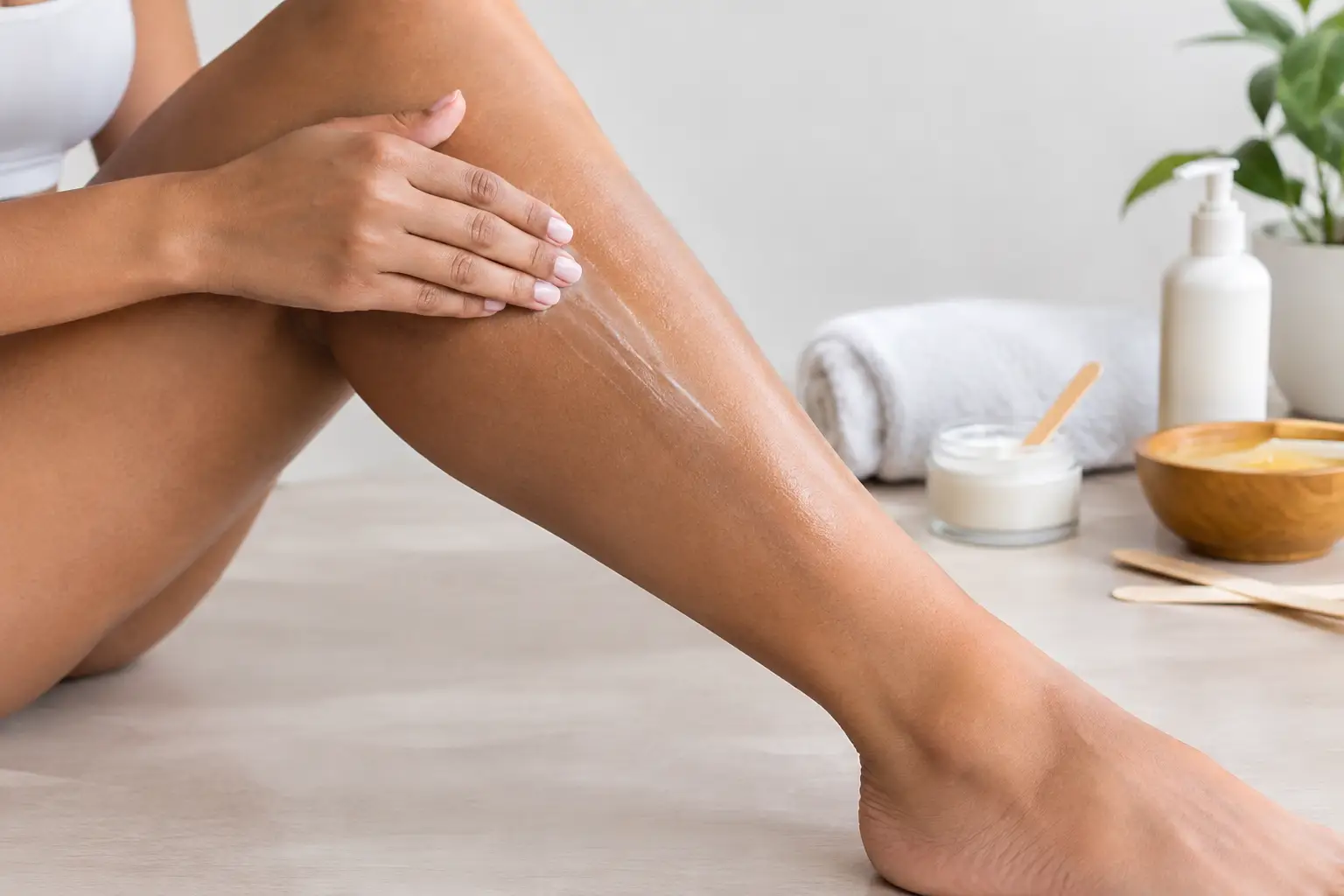
Exfoliation clears the path, while hydration keeps the skin flexible. Apply a simple, fragrance-free body moisturiser daily once the initial 24 to 48-hour recovery period has passed. Well-hydrated skin is less likely to feel dry and tight around the follicle as hair begins to return.
Avoid very heavy oils or thick occlusive creams if you are prone to bumps in the bikini area or underarms. They can feel comforting, but for some skin types they may contribute to congestion. A light, non-comedogenic lotion is often the better everyday choice.
If your skin becomes dry between appointments, do not try to solve it by exfoliating more often. Increase hydration instead. Smooth skin is not created by stripping it back – it comes from a balanced routine that supports healthy skin turnover.
Small habits that make a real difference
Your waxing results are affected by more than the products in your bathroom. Everyday friction and picking can turn a minor ingrown hair into a more noticeable concern.
Try not to squeeze, dig at or tweeze an ingrown hair from beneath the skin. This can introduce bacteria, cause a scab or leave post-inflammatory pigmentation, particularly on deeper skin tones. If you can see a hair sitting at the surface after exfoliation, resist the urge to pull at it. Consistent gentle care is usually safer than trying to force an immediate result.
Keep the area clean after exercise and change out of sweaty clothing promptly. Wash activewear, underwear and towels regularly, as fabric that sits against freshly waxed skin should be clean and breathable. For legs, consider whether boots, fitted stockings or work uniforms are creating repeated rubbing in one area.
Sun protection also matters for exposed waxed areas such as the face, arms and legs. Freshly waxed skin can be more reactive to UV exposure, and irritation or ingrown marks may appear darker with sun exposure. Use a broad-spectrum SPF suited to your skin, particularly when the area will be outdoors.
Keep your waxing schedule consistent
Waiting until hair is very long before every appointment can make waxing less comfortable and may increase breakage. Broken hairs are not removed fully from the root, which can affect how evenly the area regrows. On the other hand, waxing hair that is too short may mean it cannot be gripped effectively.
A regular schedule helps your therapist work with hair at a more suitable length and allows you to manage regrowth with fewer last-minute fixes. Most body waxing clients book every four to six weeks, although the ideal timing varies with the treatment area and your individual growth cycle.
Between appointments, avoid shaving if you can. Shaving can create blunt regrowth and interrupt the more even pattern you are building through waxing. If you need hair removal before an event, speak with your therapist about the best timing rather than reaching for a razor the night before.
When bumps need professional advice
Not every bump is an ingrown hair. Folliculitis, contact irritation, acne and other skin conditions can look similar, so avoid treating persistent or painful bumps with increasingly harsh scrubs and acids. Stop exfoliating if the skin is broken, swollen, very sore or producing discharge.
Seek advice from a GP or qualified health professional if you notice spreading redness, significant pain, repeated infection or dark marks that are not improving. If you regularly experience ingrown hairs after waxing, tell your therapist before your appointment. Your wax type, preparation and home-care routine may need to be adjusted for your skin.
At Ibeauty Medispa, quality waxing is paired with considered aftercare because smooth results should look good well beyond the day of your appointment. Treat your skin gently, stay consistent with hydration and exfoliation, and give regrowth the clear path it needs to emerge naturally.