
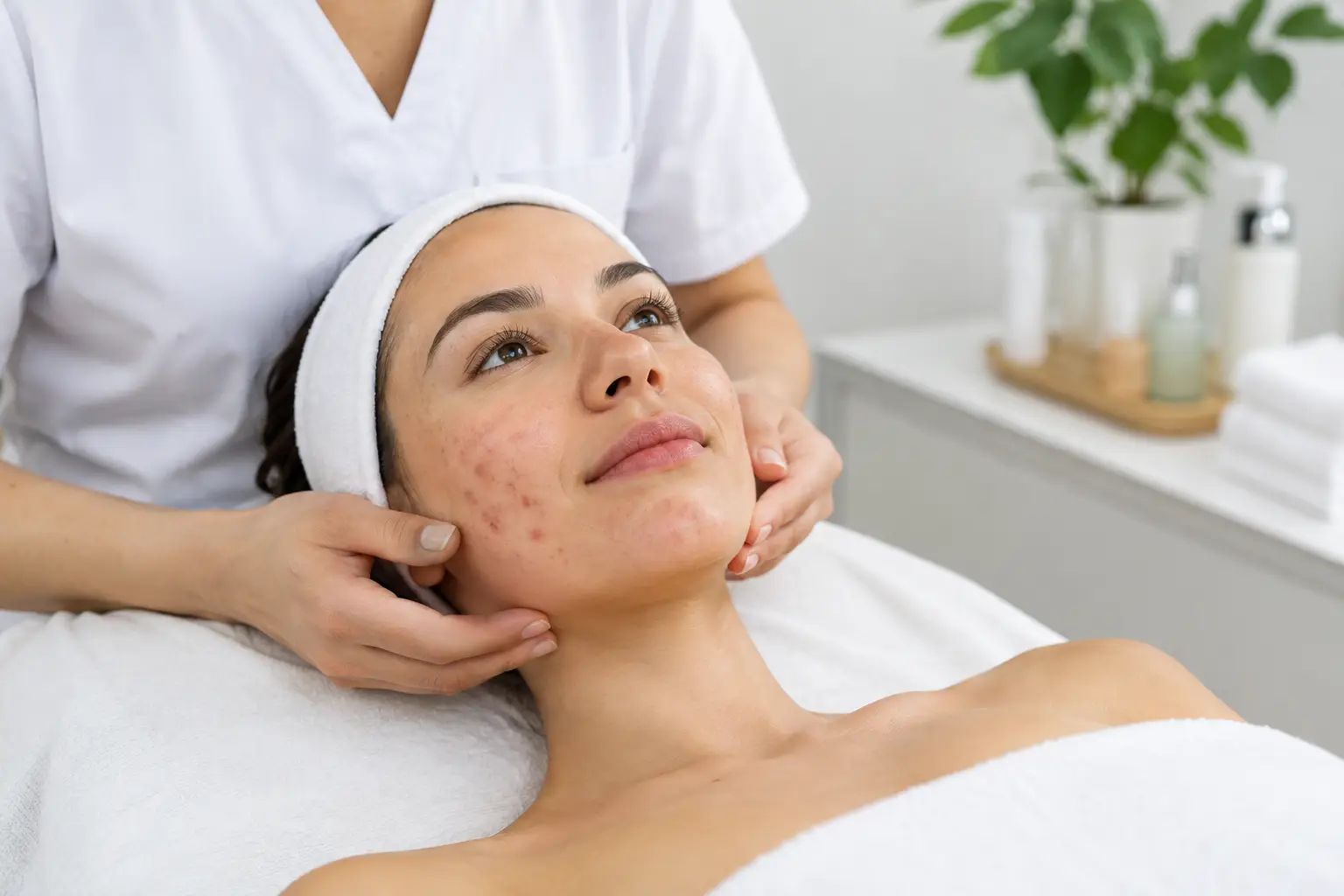
How to Choose an Acne Facial for Your Skin
Acne is not one-size-fits-all, and neither is the facial that treats it. A treatment that helps clear congested pores may be too stimulating for inflamed breakouts, while a deeply hydrating facial can be ideal for skin that is dry from acne products. Learning how to choose acne facial treatments starts with looking beyond the word acne and focusing on what your skin is showing right now.
The right professional facial should support clearer, calmer-looking skin without compromising your skin barrier. It should be tailored to your breakout type, sensitivity, current routine and goals – whether that is fewer blocked pores, reduced excess oil, a smoother texture or more confidence in your complexion.
Start with the type of acne you have
Before booking, take a close look at the condition of your skin. Blackheads, whiteheads and small flesh-coloured bumps usually point to congestion. In these cases, professional cleansing, gentle exfoliation and carefully performed extractions may be suitable.
Red, sore pimples, pustules and deeper cyst-like breakouts need a more cautious approach. Aggressive scrubs, heavy extractions or strong resurfacing can leave already inflamed skin looking and feeling worse. A calming, corrective treatment that focuses on reducing surface irritation and supporting the skin barrier may be the better choice until active inflammation settles.
You may also have a combination of concerns. It is common to have congestion through the T-zone, dry or reactive cheeks, and lingering red or brown marks after previous breakouts. This is why an acne facial should never be selected purely from a menu description. Your skin can change with hormones, stress, weather, travel and skincare products, so the treatment plan may need to change too.
How to choose acne facial treatments with confidence
Choose a clinic that begins with a proper skin consultation rather than promising a fast fix. An experienced therapist should ask about your current skincare, active ingredients, medications, allergies, recent treatments and any changes in your skin. They should also examine areas of congestion, sensitivity, dehydration and post-acne marking before recommending a facial.
Be clear about what you are using at home. Retinoids, exfoliating acids, benzoyl peroxide and prescription acne treatments can all affect how your skin responds to a facial. Mention if you have recently used a strong peel, had facial waxing, experienced sunburn or started a new medication. These details help your therapist select safe techniques and avoid unnecessary irritation.
A quality consultation also includes realistic expectations. One facial can leave the skin feeling fresher, cleaner and more balanced, but persistent acne is rarely resolved in a single appointment. The best results usually come from a considered plan that combines suitable in-clinic treatments, consistent home care and, when needed, advice from a GP or dermatologist.
Match the facial to your skin’s current needs
For blocked pores and uneven texture
If your skin is mainly congested, a treatment with thorough cleansing, controlled exfoliation and professional extractions can be highly beneficial. Extractions should be gentle and hygienic, not rushed or forceful. The aim is to lift existing congestion while minimising trauma that can lead to redness, scarring or further inflammation.
Microdermabrasion may suit some clients with dullness, surface congestion and uneven texture. It exfoliates the outermost layer of skin and can help create a smoother finish. However, it is not always appropriate over active, inflamed acne. If your breakouts are sore or widespread, your therapist may recommend a gentler option first.
For oily, breakout-prone skin
Oily skin needs balance, not harsh stripping. A facial that uses lightweight hydration alongside targeted cleansing can help prevent the tight, dehydrated feeling that sometimes causes skin to produce even more oil. Look for a treatment that focuses on clearing pore buildup while maintaining comfort.
A Hydra-Micro style facial may be a good option for clients who want a deep cleanse combined with hydration. The exact steps should be personalised, especially if your skin is sensitive or you are prone to redness after exfoliation.
For red, inflamed or sensitive breakouts
When your skin is irritated, less is often more. Gentle cleansing, soothing masks, barrier-supporting hydration and LED light therapy can be more appropriate than intensive scrubbing or multiple active ingredients in one appointment.
LED light therapy is commonly included in acne-focused treatment plans because it is non-invasive and can support calmer-looking skin. Your therapist can advise whether it is suitable for your skin, how it may fit into a series of treatments and what results are realistic for your level of acne.
For post-acne marks and a rough skin finish
Once active breakouts are under better control, treatment can shift towards texture, hydration and the appearance of post-acne marks. Gentle resurfacing treatments may help improve the look of uneven skin over time, but timing matters. Treating marks too aggressively while the skin is still inflamed can prolong redness rather than improve it.
Dermaplaning can leave some skin types looking smooth and bright, but it may not be the first choice for active acne, especially where there are raised or irritated lesions. A professional assessment makes the difference between a treatment that enhances your skin and one that asks too much of it.
Look for thoughtful ingredients, not the strongest formula
The most effective acne facial is not necessarily the one that tingles the most. Ingredients such as salicylic acid can be useful for congestion because they work within oily pores, while hydrating and soothing ingredients can help protect the skin from feeling dry or tight afterwards. The right strength, frequency and combination depend on your skin.
Be cautious if a facial is marketed as an intense detox with no discussion of sensitivity, hydration or recovery. Over-exfoliation can weaken the skin barrier, leading to flaking, redness and more reactive breakouts. If your skin stings after nearly every product, feels tight despite being oily, or becomes flaky around the nose and mouth, tell your therapist. Your skin may need repair before it needs stronger correction.
Know when to postpone or change your appointment
A professional clinic should be comfortable recommending a different treatment when your skin is not ready for the one you booked. This is a sign of care and expertise, not a compromise.
You may need to postpone intensive exfoliation or extractions if you have:
- painful, swollen or broken acne lesions
- sunburn, eczema flare-ups or a compromised skin barrier
- recently used prescription-strength acne medication or a retinoid
- had a peel, laser treatment or facial waxing in the treatment area.
If you have severe, cystic, scarring or sudden-onset acne, a facial can still support your overall skin routine, but medical advice may be needed as well. A trusted therapist will recognise when a dermatologist or GP should be part of your plan.
Prepare well and protect your results
For the best experience, avoid trying a new active skincare product in the days before your facial. Arrive with clean skin where possible, and let your therapist know about every product you have used recently, including spot treatments and supplements.
After an acne facial, keep your routine simple. Use a gentle cleanser, hydrating moisturiser and broad-spectrum SPF during the day. Avoid picking, scrubs, at-home peels and heavy makeup immediately after treatment, particularly if you have had extractions or exfoliation. Your therapist will provide aftercare based on the facial performed and your skin’s response.
Consistency matters more than intensity. Some clients benefit from regular appointments spaced several weeks apart, while others need a slower approach with more time between treatments. The ideal frequency depends on active acne, sensitivity, lifestyle and the treatments used at home.
At Ibeauty Medispa, an acne facial should feel like a considered step towards healthier-looking skin, not a gamble. Choose a treatment that respects where your skin is today, then give it the professional care and consistency it needs to show its best results.