
Saline Removal Safety for Cosmetic Tattoos
A cosmetic tattoo should enhance your confidence, not leave you feeling stuck with a colour, shape or style that no longer feels like you. Saline removal safety is therefore about far more than choosing a removal method. It begins with an honest assessment of your existing tattoo, your skin and what a safe, realistic result may involve.
Saline tattoo removal can be a suitable option for selected cosmetic tattoo concerns, including unwanted brow pigment, eyeliner tattoo or lip colour tattoo. However, this is a professional skin procedure, not a quick fix or a treatment to attempt at home. The right technique, strict hygiene and committed aftercare all influence how your skin heals.
What is saline tattoo removal?
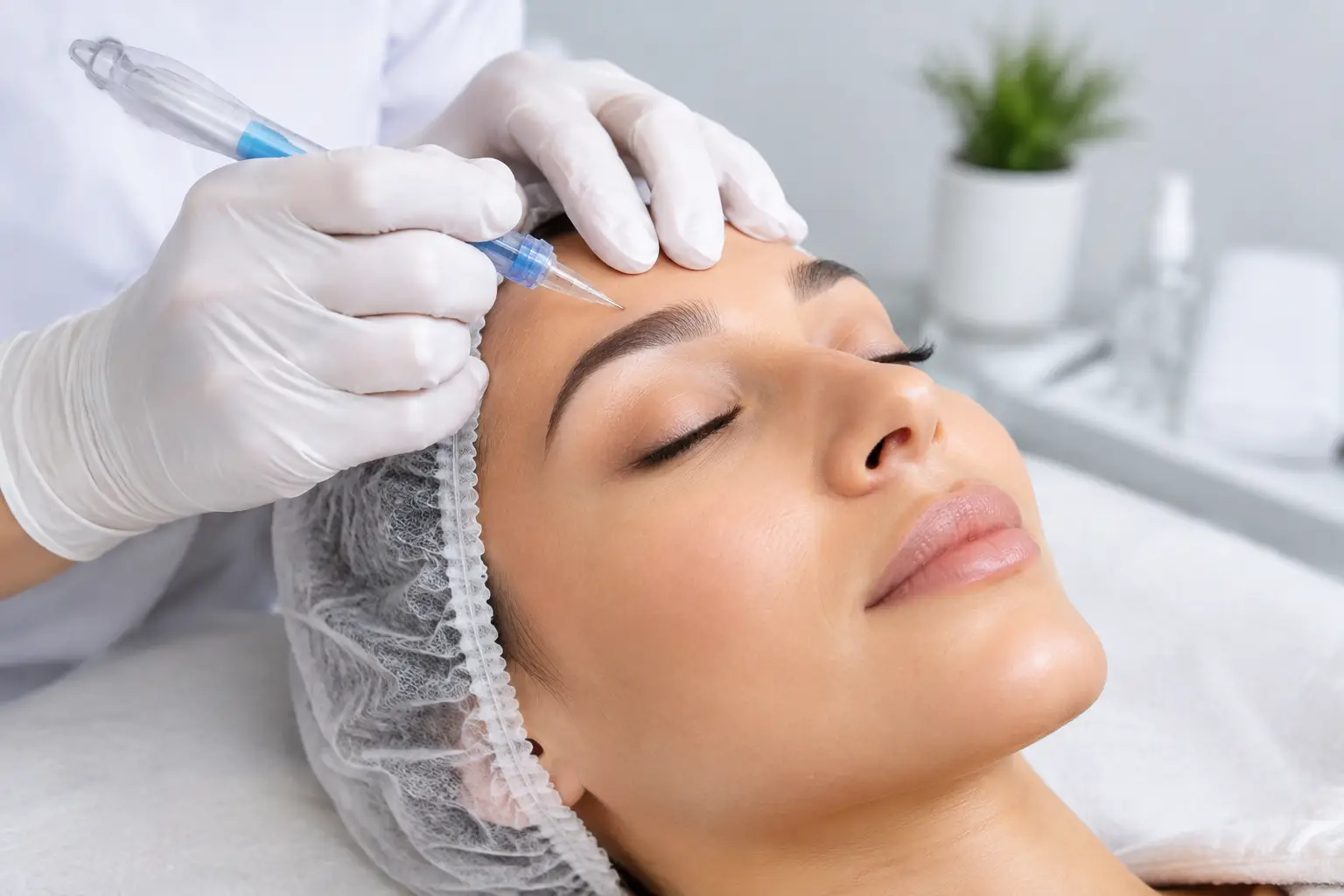
Saline removal is a technique used to help lift cosmetic tattoo pigment from the skin. A trained practitioner works over the tattooed area with a saline-based solution using a cosmetic tattoo device. The process is designed to encourage pigment to move towards the surface as the skin heals.
It is often considered for permanent makeup where laser removal may not be the preferred first option. For example, a client may have warm or unpredictable pigments, a tattoo close to the natural brow hairs, or an older cosmetic tattoo that needs softening before a correction.
Results vary considerably. Pigment type, depth, colour, age of the tattoo, previous removal attempts and individual skin response all matter. Saline removal may fade pigment gradually rather than remove it completely in one appointment. Several sessions can be needed, with adequate healing time between each treatment.
Why saline removal safety needs a personalised assessment
No two cosmetic tattoos heal or fade in exactly the same way. A thorough consultation protects both your skin and your final result. Before treatment, your practitioner should assess the tattoo’s colour and saturation, the area being treated, skin condition, previous procedures and your desired outcome.
The goal may not always be complete removal. Sometimes the best approach is to lighten a brow tattoo enough to create space for a more balanced, natural-looking shape. In other cases, removal may not be advisable until skin has fully settled from a recent tattoo or another treatment.
Be open about your health history and skincare routine. Recent sun exposure, active breakouts, eczema, dermatitis, allergies, a history of raised scarring, blood-thinning medication and certain prescription medicines can affect treatment suitability or healing. Pregnancy and breastfeeding policies also differ between clinics and treatments. If there is any uncertainty, seek advice from your GP or relevant medical specialist before proceeding.
A reputable practitioner will postpone treatment when that is the safer choice. Quality over quantity matters when working with the face, especially around brows, eyes and lips.
The safety standards to expect at your appointment
A professional saline removal appointment should feel considered, clean and unhurried. Your practitioner should explain the treatment plan, expected healing process, possible risks and likely number of sessions before beginning. You should have the opportunity to ask questions and give informed consent.
Hygiene is non-negotiable. The treatment area should be cleansed appropriately, and single-use needles, gloves and sterile equipment should be used. Your practitioner should also follow correct infection-control procedures throughout the appointment.
The pressure, depth and number of passes used during the procedure must be controlled carefully. Working too aggressively can increase unnecessary trauma to the skin and may raise the risk of prolonged redness, uneven healing or scarring. A skilled technician respects the skin’s limits rather than chasing a dramatic result in one sitting.
Some discomfort, redness, swelling and tenderness can occur after treatment. These effects are usually temporary, but you should be told what is normal for the area treated and when to contact the clinic for support.
Understand the difference between cosmetic and body tattoos
Saline removal is commonly discussed in the context of cosmetic tattooing, but it is not automatically the right method for every tattoo. Body tattoos and cosmetic tattoos can use different pigments, techniques and implantation depths. A method that suits faded microblading may not be suitable for a large, saturated body tattoo.
This is why the treatment decision should never be based on a social media photo, a friend’s experience or a promise of instant removal. A professional assessment gives you a safer starting point and clearer expectations.
Aftercare is part of safe removal
The appointment is only one part of the process. Your aftercare has a direct effect on healing quality. After saline removal, the area may form a crust or scab as it heals. This is a normal part of the recovery process and should not be picked, scratched or prematurely removed.
Letting the skin heal naturally helps reduce disruption to the treated area. Picking can increase the risk of infection, scarring and uneven pigment fading. It can also compromise the result you are working towards.
Your practitioner will provide specific aftercare instructions based on the area treated and the technique used. Follow these precisely. In general, clients are commonly asked to keep the area clean, avoid touching it with unwashed hands, and avoid makeup, active skincare and unnecessary moisture until advised otherwise. Sweat, swimming pools, spas, saunas and direct sun exposure may also need to be avoided during the initial healing stage.
Do not apply creams, oils, antiseptics or home remedies unless your practitioner has recommended them. More product is not better. The skin needs the right conditions to recover, not a collection of untested treatments.
When to seek advice during healing
Mild redness, tenderness and temporary swelling can be expected, particularly in the first few days. However, worsening pain, spreading redness, heat in the area, increasing swelling, discharge, fever or a reaction that concerns you should not be ignored.
Contact your treating clinic promptly for guidance. If symptoms are severe, rapidly worsening or you feel unwell, seek medical attention. A beauty clinic can support you with treatment-specific aftercare, while a medical professional is the right person to assess possible infection or an acute allergic response.
It is also normal for the treated tattoo to look darker, patchier or more noticeable before it improves. Healing skin can be unpredictable, and pigment fading is assessed only after the area has settled. Booking another session too early can place extra stress on the skin. Patience is a safety measure, not a delay.
Choosing a practitioner you can trust
For a treatment involving the face and skin barrier, experience matters. Look for a clinic that treats saline removal as a considered corrective service, not an add-on. You should feel confident that your practitioner understands cosmetic tattoo pigment, facial symmetry, skin healing and the importance of conservative technique.
Ask how your tattoo will be assessed, what result is realistic, how many sessions may be required and what aftercare support is available. Be cautious of guarantees, especially promises that all pigment will disappear in one treatment. Honest advice may be less dramatic, but it is far more valuable.
At Ibeauty Medispa, every cosmetic tattoo journey should be approached with precision, care and respect for your natural features. Whether your goal is to soften an old brow tattoo or prepare for a future correction, the safest next step is a professional consultation that puts your skin first.