
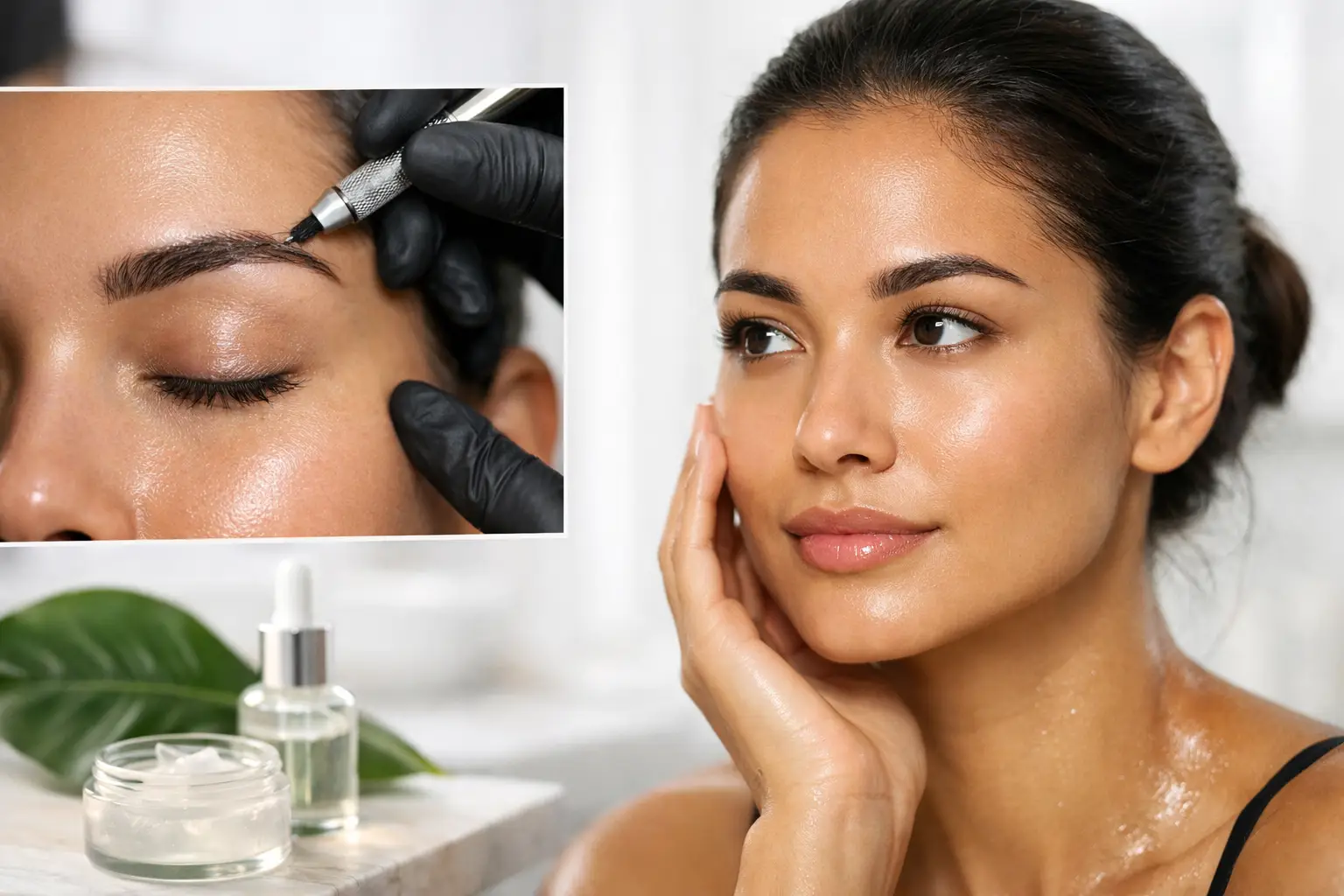
Does Microblading Suit Oily Skin?
If you have oily skin, you have probably heard mixed advice about brow tattooing. One artist says microblading is fine, another says to avoid it altogether. So, does microblading suit oily skin? The honest answer is that it can suit some clients, but oily skin changes how the pigment heals, how crisp the hair strokes stay, and how often maintenance may be needed.
That does not mean oily skin rules you out. It means the treatment choice needs to be made carefully, with realistic expectations and a strong focus on technique, skin condition and long-term results.
Does microblading suit oily skin in every case?
Not in every case, and that is where a proper consultation matters.
Microblading uses a manual tool to create fine hair-like strokes in the skin. On normal to dry skin, those strokes often heal with more definition. On oily skin, natural sebum can cause the strokes to heal softer, blur earlier, or lose some of their sharpness over time. Clients with enlarged pores through the brow area may notice this even more.
This is why oily skin is often considered a higher-maintenance skin type for microblading. The result can still be beautiful, but it may not heal with the same crisp finish seen on drier skin. If your goal is ultra-fine, fluffy, individual strokes that stay very distinct for as long as possible, oily skin can make that harder to achieve.
Why oily skin affects healed microblading
Oily skin produces more sebum, and that affects both the surface of the skin and the way pigment settles during healing. When the skin is more active with oil, the implanted pigment can spread slightly as it heals. Instead of crisp hair strokes, the finish may look softer and more powdered.
This is not always a bad thing. Some clients actually prefer a softer brow effect. The issue is expectation. If you are bringing in inspiration photos of very sharp, natural-looking hair strokes on dry skin, your healed result may differ.
Skin texture also matters. Oily skin often comes with larger pores, thicker skin or a more resilient surface. That can make it harder for delicate strokes to hold evenly. If you have had issues with makeup sliding off your T-zone by midday, your brow area may behave in a similar way during the healing process.
When microblading can still work well on oily skin
Microblading may still be suitable if your skin is mildly oily rather than excessively oily, your pores are not overly enlarged in the brow area, and you are comfortable with the possibility of more frequent colour boosts.
It can also work better when the artist designs the brows with your skin type in mind instead of copying a style that suits someone else. Sometimes that means slightly bolder shaping or a more controlled pattern of strokes so the healed brow still reads well once the skin softens the detail.
Good aftercare matters too. Oily skin needs careful healing support, because excess moisture, sweat and skincare overlap can all affect retention. Following aftercare exactly gives the pigment the best chance to settle well.
When oily skin may be better suited to another brow technique
For many oily skin clients, a soft cosmetic tattoo technique such as powder brows or combination brows gives a more reliable long-term result than microblading alone.
Powder brows create a misted, softly shaded finish rather than relying only on fine strokes. Because the technique is not dependent on ultra-crisp individual lines, it often heals more evenly on oily skin. The result can still look natural, polished and flattering, especially for clients who fill their brows with pencil or powder most days anyway.
Combination brows can also be a strong option. This approach blends hair strokes with shading, giving a natural front with more structure through the body and tail of the brow. For oily skin, that added shading can improve longevity and create a more balanced healed result.
In a professional brow consultation, this is usually the key question – not simply can you have microblading, but which brow tattoo technique will give you the best healed outcome for your skin.
Signs your skin may be too oily for classic microblading
There are a few clues that help identify whether classic microblading may be less ideal. If your brow area becomes shiny quickly after cleansing, makeup breaks apart around your forehead and brows, or your pores are very visible through the brow zone, your skin may struggle to hold crisp strokes.
Clients with active acne-prone skin around the forehead can also be more challenging candidates, especially if there is inflammation, frequent breakouts or strong exfoliating skincare in use. Retinol, acids and acne treatments can all affect skin sensitivity and healing, so these need to be discussed before booking.
A skilled artist will look at more than oil alone. They will assess thickness of skin, pore size, sensitivity, previous cosmetic tattoo work and your preferred finish.
What results should oily skin clients realistically expect?
The best results come from matching the treatment to the skin, not chasing a trend.
With oily skin, healed microblading usually looks softer than fresh microblading. Some strokes may blend together slightly over time. You may also need touch-ups sooner than someone with dry skin. That does not mean the treatment has failed. It means maintenance is part of the result.
If you are open to a soft, natural brow that may need regular refresh appointments, microblading could still be worth considering. If you want the longest-lasting definition with less risk of blurred strokes, a shaded technique is often the stronger choice.
This is where honest treatment planning matters. Premium results are not about forcing one service onto every client. They come from choosing the method that will heal well, age well and suit your lifestyle.
How to improve retention if you have oily skin
If you do go ahead with microblading, preparation and aftercare make a noticeable difference. Avoid using active skincare too close to the brow area before your appointment unless your technician advises otherwise. On the day, arrive with clean skin and no brow makeup.
After your treatment, it is especially important to keep the area protected from excess sweat, heavy skincare, picking and over-cleansing. Oily skin clients often need to be more mindful of gym sessions, steam, hot weather and facial products migrating into the brows during healing.
Long term, sun exposure and strong exfoliating products can fade cosmetic tattooing faster. Gentle skincare around the brows and regular maintenance appointments help preserve the shape and colour.
Choosing the right artist matters more with oily skin
Oily skin is not the time to choose based on price alone. Technique, experience and treatment judgement make a real difference.
An experienced cosmetic tattoo artist should be able to assess whether you are a good candidate for microblading, whether a combination brow would serve you better, or whether powder brows will deliver a cleaner healed finish. They should also be upfront about likely retention, touch-up timing and the look you can realistically expect once healed.
This is especially important because fresh results and healed results are not the same thing. Brows often look sharper immediately after treatment. The true test is how they settle after several weeks and how they hold over the following months.
At Ibeauty Medispa, this kind of honest treatment matching is part of achieving natural-looking, long-lasting brow results. The goal is never to push a one-size-fits-all service. It is to create brows that suit your skin, your features and your maintenance preferences.
So, does microblading suit oily skin?
Yes, sometimes – but not always in the way clients first imagine.
If your skin is mildly oily and your expectations are realistic, microblading may still give you a soft, flattering result. If your skin is very oily, textured or prone to blurred healing, a powder or combination technique will often be the better investment. The most flattering brow result is not the treatment that sounds trendiest. It is the one that heals beautifully on your skin.
If you are unsure where you sit, a professional consultation is the best place to start. The right advice should leave you feeling informed, not sold to, and confident that your brows are being planned for the result you will actually wear every day.