
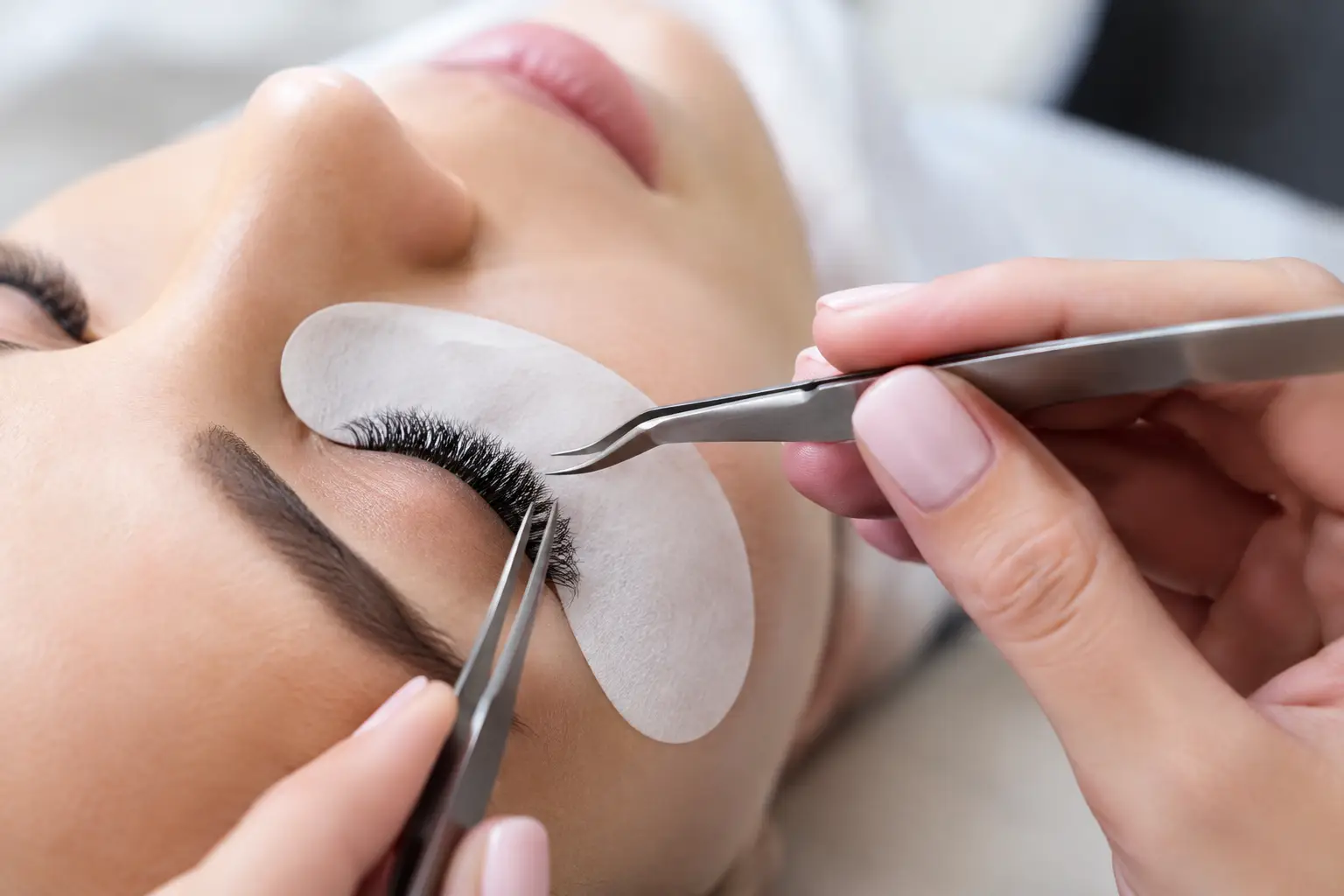
Why Do Eyelash Extensions Shed So Quickly?
You leave your lash appointment with a full, polished set, then spot a few lashes on your cleansing pad a week later. It is understandable to wonder, why do eyelash extensions shed – especially when you want that fresh, defined look to last. In many cases, shedding is completely normal. Your natural lashes are constantly growing, resting and replacing themselves, and extensions attached to those lashes leave with them.
The key is knowing the difference between normal lash cycling and premature lash loss. A well-applied set should shed gradually and evenly, not leave obvious gaps after a few days. Quality application, your natural lash cycle and the way you care for your lashes between appointments all influence retention.
Why do eyelash extensions shed naturally?
Every natural eyelash follows its own growth cycle. A lash grows, pauses, then eventually sheds to make room for a new one. Because each lash is at a different point in that cycle, you may notice one or two extensions fall out on some days and none on others.
An extension is bonded to one individual natural lash. It does not cause the natural lash to shed, provided it has been selected and applied correctly. When the natural lash reaches the end of its cycle, the extension comes away with it. You may see a tiny natural lash attached to the extension when it falls out – this is usually a reassuring sign that normal shedding has occurred.
Most clients benefit from an infill every two to three weeks. This is not because the original work has failed. It is simply the maintenance needed to keep pace with your natural lash cycle and preserve a full, balanced result.
What causes eyelash extensions to fall out early?
When noticeable shedding starts within the first few days, or your set looks sparse well before your infill, there may be more than natural lash cycling involved. Retention is rarely caused by one factor alone.
Natural lash condition
Fine, short or weakened natural lashes have less surface area to support an extension. A skilled lash artist will select a length, curl and weight that suits the health of your own lashes rather than applying a dramatic style at the expense of long-term lash condition.
If your natural lashes are recovering from rubbing, lash curlers, previous damage or certain health changes, a lighter set may be the better choice. Volume is not always about using heavier lashes. Precise, tailored application creates a fuller appearance while respecting what your natural lashes can safely hold.
Oils, skincare and makeup residue
Natural oils are one of the most common reasons adhesive bonds break down sooner. Oil-based eye makeup removers, creamy cleansers, waterproof mascara and heavy eye creams can travel onto the lash line, even if you apply them carefully.
This does not mean you need to avoid skincare around your eyes. It means choosing compatible products and cleansing with care. Keep rich creams below the orbital bone where possible, and avoid working oils directly through the extensions. Clean lashes are not only better for retention – they are more comfortable and healthier for the eye area.
Water, steam and heat too soon after application
Fresh adhesive needs time to settle properly. While modern professional adhesives cure quickly, the first 24 hours still matter. Avoid prolonged steam, saunas, hot yoga, swimming and direct high-pressure water around the eyes during this period.
After that initial window, normal showering is fine. In fact, regular cleansing is essential. The issue is excessive heat and moisture exposure, particularly when paired with sweat, sunscreen or oils that collect at the lash line.
Rubbing, sleeping and everyday friction
Eyes can be surprisingly easy to touch without noticing. Rubbing tired eyes, pressing your face into a pillow, pulling jumpers over your head carelessly or wiping your eyes after the gym can all place pressure on extensions.
Side and stomach sleepers may see more shedding on the side they sleep on. A silk or satin pillowcase can reduce friction, but the most effective approach is being mindful of pressure around your eyes. Brush your lashes gently rather than pulling at tangles, and pat the eye area dry after cleansing.
Incorrect cleansing habits
Skipping lash cleansing because you are worried about getting extensions wet can create the opposite problem. Makeup, natural oils, sweat and airborne debris build up at the base of the lashes. This can affect retention and may lead to irritation.
Use a lash-safe, oil-free cleanser and a soft cleansing brush to clean along the lash line. Rinse thoroughly, pat dry with a lint-free towel and gently brush the lashes once they are dry. Clean lashes support a cleaner bond and help your extensions stay separated and polished.
Application quality and adhesive conditions
Professional application makes a visible difference to retention. Each extension should be isolated and bonded securely to a single natural lash. Too little adhesive may weaken the bond, while poor isolation can cause lashes to stick together and shed prematurely.
Humidity, temperature and adhesive freshness also matter during an appointment. These conditions affect how adhesive performs, which is why a trained lash artist works in a controlled environment and adjusts their technique when needed. A rushed application may look full on the day, but precision is what protects your natural lashes and delivers lasting results.
Lifestyle and body changes can affect lash retention
Sometimes your aftercare is excellent and your extensions still shed faster than usual. Hormonal shifts, stress, illness, seasonal allergies and changes in medication can all influence the natural lash cycle or oil production around the eyes.
Pregnancy, post-partum changes, thyroid conditions and some prescription medications may affect how quickly lashes grow and shed. This does not mean you cannot wear lash extensions, but your retention may vary from one appointment to the next. Let your lash artist know about relevant changes so they can recommend a style and infill schedule that suits you.
Allergy season can also be challenging. Watery, itchy eyes encourage rubbing, while antihistamines may leave the eye area feeling dry and uncomfortable. If your eyes are actively irritated, it is best to prioritise comfort and seek appropriate advice before booking an infill.
How to make eyelash extensions last longer
Great retention begins before you leave the salon, but your home routine keeps the result looking beautiful. Arrive with clean, makeup-free lashes where possible, especially if you wear long-lasting eye makeup. After your appointment, give the adhesive the quiet time it needs before exposing it to excess steam or water.
From there, cleanse your lashes every day with an extension-safe cleanser, particularly after wearing makeup, exercising or applying sunscreen. Avoid oil-based products at the lash line, waterproof mascara and mechanical lash curlers. If you would like more definition between appointments, discuss a suitable lash style at your next visit rather than layering makeup over your extensions.
Brush dry lashes gently each morning to keep them aligned. Do not pick at loose extensions. Picking can pull out a healthy natural lash before it is ready to shed, which can create unevenness and compromise the look of your set.
Booking infills consistently is equally important. Waiting until most extensions have shed often turns an infill into a new full set, and it can make it harder to maintain the shape and density you love.
When shedding is not normal
A small amount of daily shedding is expected. Sudden bald patches, redness, stinging, swelling, persistent itching or lashes that feel painful are not. Do not attempt to remove extensions yourself or use over-the-counter lash removal products near the eyes.
Contact your lash artist for guidance and arrange professional removal if required. If you have significant irritation, pain, discharge or changes to your vision, seek advice from a qualified health professional promptly. Beautiful lashes should feel lightweight and comfortable from day one.
Your extensions should enhance your natural beauty, not become a source of stress. With a tailored application, thoughtful aftercare and regular infills, gradual shedding becomes part of a simple maintenance routine – and your lashes can stay soft, full and beautifully defined between appointments.