
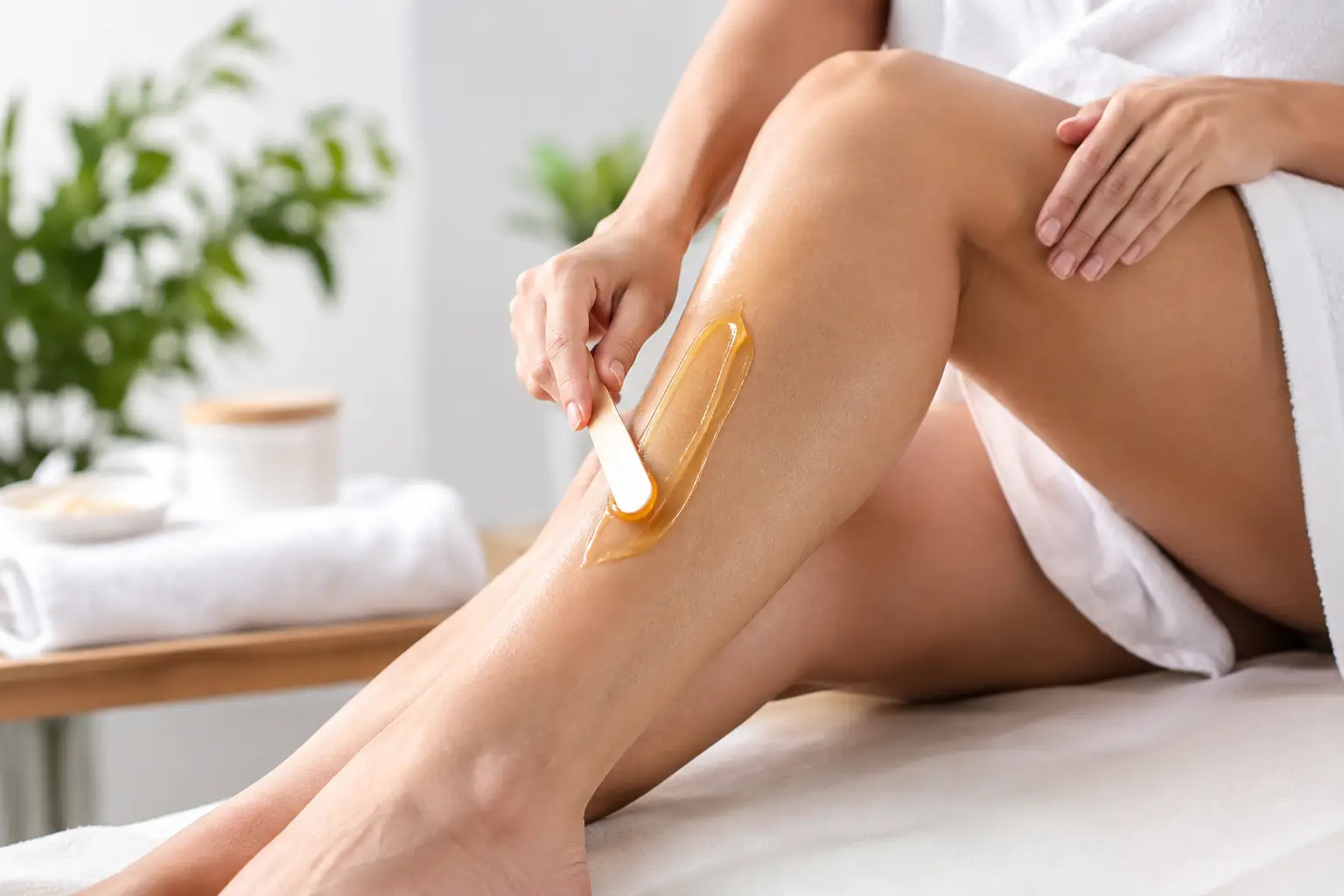
How to Reduce Ingrown Hairs From Waxing
Smooth, freshly waxed skin should feel like a confidence boost, not the beginning of an itchy cycle of bumps. If you are wondering how to reduce ingrown hairs waxing, the answer is usually found in the care you give your skin before and after your appointment. Technique matters, but your skin preparation, hair growth pattern and post-wax routine all play a part.
Ingrown hairs can affect any waxed area, from brows and facial hair to underarms, legs and the bikini line. They are especially common where hair is coarse, curly or exposed to friction from tight clothing. With the right routine and professional waxing care, you can keep skin clearer, calmer and smoother between appointments.
Why ingrown hairs happen after waxing
An ingrown hair develops when a new hair cannot break through the skin surface and instead grows sideways or curls back into the follicle. It may look like a small red bump, a tiny pimple or a dark spot under the skin. Sometimes it is mildly itchy; other times it can be sore and inflamed.
Waxing removes hair from the root, which gives the beautifully smooth finish many clients love. As that hair begins to grow back, however, dead skin cells, excess oil or product residue can block its path. Hair that is naturally thick or curly is more likely to curl into the skin, particularly around the bikini area, underarms and jawline.
This does not mean waxing is the problem. It means your skin needs a considered maintenance routine after hair removal. Over-exfoliating, picking at bumps or waxing already irritated skin can make the area look and feel worse.
Prepare your skin before a waxing appointment
Great waxing results begin before you step into the treatment room. Aim to arrive with clean, dry skin free from heavy body lotion, oils, deodorant or fake tan on the area being waxed. These products can interfere with wax grip and leave residue around follicles.
Gentle exfoliation in the days leading up to your appointment helps lift the layer of dead skin that can trap regrowing hairs. For body areas, use a mild exfoliating product or soft exfoliating mitt two to three days before your wax. Do not scrub aggressively, particularly on delicate facial skin or intimate areas. The goal is smooth, balanced skin, not redness.
Hair length also makes a difference. Hair that is too short may not be picked up cleanly, while very long hair can increase discomfort and the chance of breakage. If you are unsure whether to trim before your booking, ask your waxing therapist for guidance. A professional will assess the area and use the approach best suited to your hair type and skin condition.
Avoid waxing over sunburn, broken skin, active rashes or severely irritated areas. If you use prescription acne products, retinoids or strong exfoliating skincare, tell your therapist before treatment. These products can make skin more sensitive and may mean waxing needs to be postponed or adjusted.
How to reduce ingrown hairs after waxing
The first 24 to 48 hours after waxing are when your skin needs the most restraint. Follicles are open and can be more reactive to heat, bacteria, sweat and friction. Keep the area clean, avoid touching it unnecessarily and let your skin settle before introducing active products.
Keep heat and friction low
For the first day or two, skip hot baths, saunas, steam rooms, intense exercise and swimming pools. Excess heat and sweat can irritate freshly waxed follicles, while pool chemicals may sting sensitive skin. For bikini waxing, choose breathable, loose-fitting underwear and clothing where possible. Tight activewear and synthetic fabrics can rub against the skin and encourage bumps.
Try not to apply perfumed lotions, heavy body butters or fragranced deodorants to freshly waxed skin. A light, fragrance-free soothing product is usually a better choice. If your therapist recommends a specific aftercare product for your treatment area, use it as directed.
Start exfoliating at the right time
Exfoliation is one of the most effective ways to prevent ingrown hairs, but timing is everything. Wait at least 48 hours after waxing, or until any redness and sensitivity have settled. Then exfoliate gently two to three times a week to help keep the follicle opening clear as hair regrows.
Physical exfoliation, such as a soft mitt, can work well on legs and arms when used with a light hand. Chemical exfoliants containing ingredients such as salicylic acid or lactic acid may suit some clients, especially those prone to recurrent ingrown hairs. These can be highly effective, but stronger is not always better. Introduce one product at a time, use it as directed and stop if you notice burning, persistent dryness or irritation.
The bikini line and face require extra care. Avoid harsh scrubs with large, scratchy particles, as these can create tiny tears and increase inflammation. A gentle, targeted approach will give better results than vigorous daily scrubbing.
Moisturise without clogging the area
Well-hydrated skin is more supple, which can help fine regrowth emerge more easily. Apply a lightweight, non-comedogenic moisturiser after exfoliating and whenever skin feels dry. Look for simple, fragrance-free formulas if you are prone to sensitivity.
There is a balance here: skin should be hydrated, but coated skin is not always happy skin. Thick oils and heavily fragranced creams can feel luxurious yet may contribute to congestion for some people, particularly around underarms and the bikini line. If bumps tend to appear after you use a particular product, pause it for a few waxing cycles and see whether your skin improves.
Choose a waxing schedule that suits your hair growth
Waiting until hair has enough length for an effective wax reduces breakage. When hairs snap at or just below the surface instead of being removed from the root, they can regrow unevenly and are more likely to become trapped. Regular appointments also allow hair to grow in a more consistent cycle over time.
For many body areas, waxing every four to six weeks works well, but there is no universal schedule. Facial hair, underarms and individual growth rates vary. Booking too soon can mean hair is not long enough, while waiting too long may make the appointment less comfortable. Your therapist can recommend a schedule based on the area, your regrowth and your skin response.
Professional technique is equally valuable. Correct skin preparation, wax temperature, hair direction and removal method all influence how cleanly hair is lifted. At Ibeauty Medispa, waxing is approached with the same focus on precision and client care that defines every beauty treatment – because smooth results should never come at the expense of your skin.
Habits that can make bumps worse
The urge to squeeze or dig out an ingrown hair is understandable, but it often leads to more redness, scarring and pigmentation. Leave the area alone, maintain gentle exfoliation once the skin has settled, and allow the hair time to surface naturally. If a hair tip is clearly sitting above the skin, do not tweeze beneath the skin to chase it.
Shaving between wax appointments can also disrupt your results. A razor creates blunt regrowth and may irritate the skin, particularly if you are already prone to ingrowns. If you need to remove a stray hair, ask your therapist what is appropriate for that area and timing.
Avoid wearing the same sweaty gym clothes for hours after a workout, and wash reusable exfoliating mitts regularly. Small details like these help reduce the mix of friction, sweat and bacteria that can aggravate follicles.
When to seek professional or medical advice
A few small bumps can be a normal part of hair regrowth, but painful, spreading, pus-filled or repeatedly infected bumps need attention. Stop using harsh exfoliants or active treatments on the area and seek advice from a qualified health professional. This is particularly important if you have a skin condition, diabetes, a compromised immune system or a history of significant post-inflammatory pigmentation.
For ongoing ingrown hairs, mention it at your next waxing appointment. Your therapist can assess your current routine, identify possible triggers and tailor practical aftercare recommendations to the treatment area. Consistent, gentle care gives your skin the best chance to stay clear – and makes each wax feel like the polished, long-lasting result you booked for.