
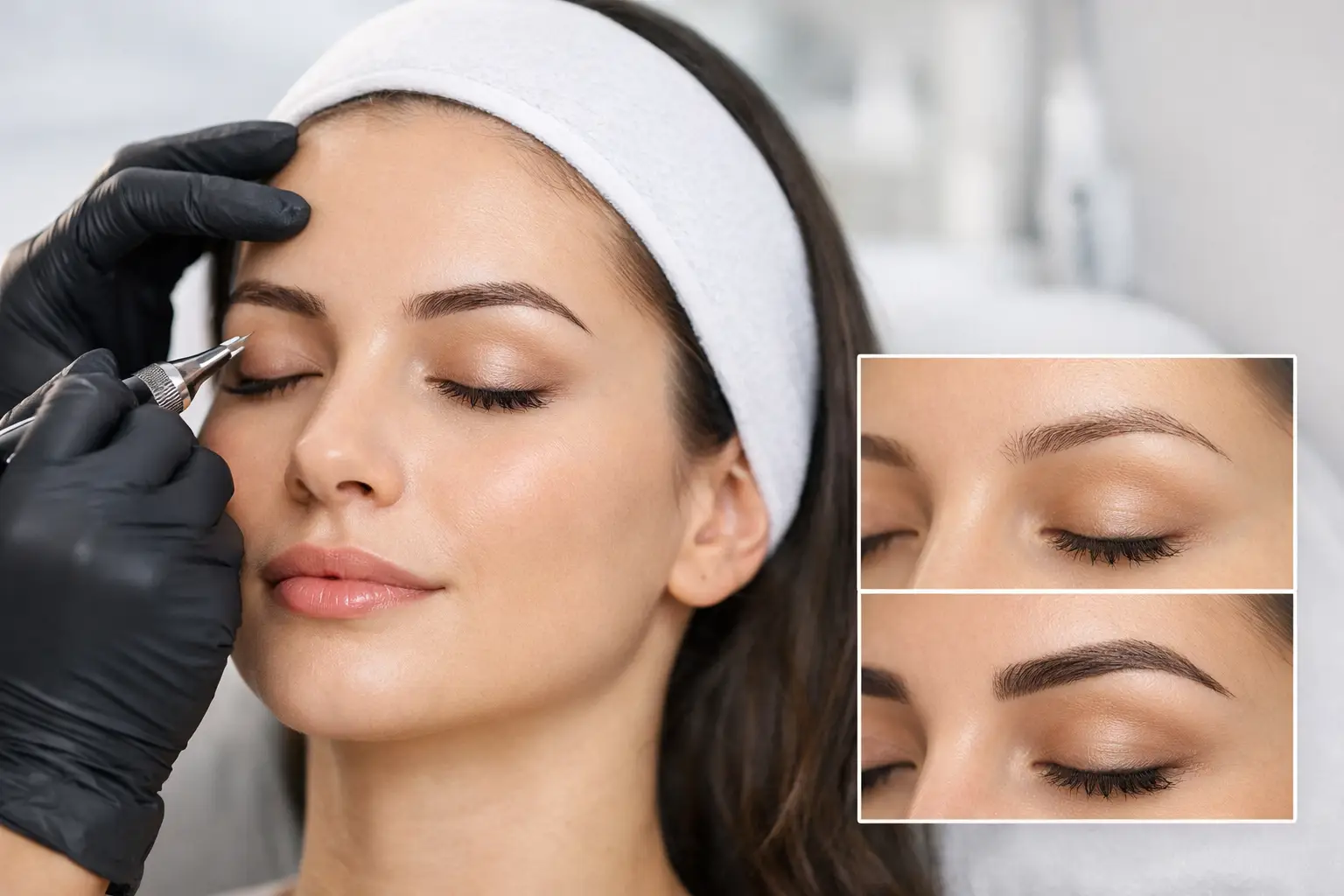
Cosmetic Tattoo Results: What to Expect
A cosmetic tattoo should make getting ready feel easier, not make you look like a different person. The best cosmetic tattoo results are tailored to your features, skin tone, lifestyle and preferred level of definition. Whether you are considering feathered brows, a soft lip blush or a refined eyeliner enhancement, the goal is a polished, believable finish that still feels like you.
The first appointment is only part of the process. Cosmetic tattooing is a precision treatment that develops through healing, colour settling and a perfecting touch-up. Knowing what is normal at each stage helps you choose confidently and appreciate the final result when it is ready.
What Great Cosmetic Tattoo Results Look Like
Quality cosmetic tattooing is not about creating the darkest brow, the sharpest liner or the brightest lip colour possible. It is about balance. Your artist considers facial symmetry, natural hair growth, skin undertones and the way you usually wear your makeup before designing a result that complements your everyday look.
For eyebrows, this may mean soft hairstrokes that fill sparse areas, powder shading for a makeup-like finish, or a combination of both. A well-designed brow should frame the face while retaining softness. It should not sit too dark, too warm or too blocky against your natural colouring.
With eyeliner tattooing, a fine lash-line enhancement can make lashes appear fuller without the appearance of obvious liner. A more defined style may suit clients who regularly wear winged or classic eyeliner, but it still needs to follow the eye shape carefully. The right design makes eyes look brighter and more awake rather than heavy.
Lip colour tattooing can restore definition at the border of the lips, balance uneven tone and create a fresh wash of colour. The most flattering healed results are usually softer than a traditional lipstick. They enhance your own lip tone and can make daily makeup feel optional, not compulsory.
Why Your Result Changes During Healing
Immediately after treatment, the colour commonly appears stronger, darker or brighter than the intended healed shade. This is expected. Fresh pigment sits close to the surface of the skin, and there may also be mild redness or swelling, particularly around the lips and eyes.
Over the following days, the area can look as though it has become too dark. It then begins to flake or shed lightly as the skin repairs. This is not the time to judge the final colour or shape. Picking, scratching or trying to remove flaking skin can disturb pigment retention and affect the smoothness of the result.
Once surface healing has finished, the tattoo may look lighter or slightly patchy for a short period. Pigment continues settling beneath the skin as it heals. Most clients see a much clearer indication of the final tone after several weeks, which is why a follow-up appointment is an essential part of the treatment plan.
The touch-up is where your artist assesses healed retention, refines shape if needed and builds colour only where it is appropriate. Some skin holds pigment evenly at the first session, while other skin types need more adjustment. This is not a reflection of treatment quality. Skin is individual, and working carefully is always preferable to overloading the area with pigment at the initial appointment.
Healing Is Different for Brows, Lips and Eyeliner
Eyebrow tattoos often soften substantially after the first week, especially with delicate hairstrokes. Oily skin, active skincare and regular sun exposure can all influence how crisp or long-lasting the finish appears.
Lip blush can look especially vivid at first, then fade down considerably through healing before the true colour returns. Lip tone, hydration and previous cosmetic tattooing all play a part in the healed result. For eyeliner, early puffiness can make the line appear thicker than it will once the area has settled.
Your artist should provide clear aftercare specific to the treatment you receive. Following it closely gives your skin the best environment to heal well.
What Affects Colour Retention and Longevity?
Cosmetic tattooing is semi-permanent, so it will fade gradually. This is a benefit for many clients because your look can evolve with changing hair colour, makeup preferences and natural facial changes. How long it lasts depends on the treatment, the pigment used, your skin and your routine.
Sun exposure is one of the biggest influences on fading. Daily SPF, a hat when outdoors and avoiding tanning directly over the area will help preserve a cleaner colour for longer. Skin treatments can also affect longevity. Retinol, exfoliating acids, microdermabrasion, dermaplaning and other active treatments should be kept away from the tattooed area unless your therapist advises otherwise.
Oilier skin may fade brow pigment faster or soften individual hairstrokes over time. Drier skin can often retain detail well, but every client is different. Certain medications, health conditions, smoking, immune response and frequent exercise may also affect healing and retention. A thorough consultation is the right place to discuss any factors that may influence your treatment.
Colour choice matters just as much as colour retention. An experienced cosmetic tattoo artist selects pigments that work with your natural undertone and takes future fading into account. A shade that looks perfect while fresh may not be the right choice if it is likely to heal too cool, warm or dark against your skin.
How to Set Realistic Expectations Before Booking
Inspiration photos are useful, but they should start a conversation rather than define the exact result. A brow style seen on someone with dry skin, full natural hair and a different face shape may not translate perfectly to your own features. The same applies to a lip shade photographed in studio lighting or eyeliner applied to a different eye shape.
Bring reference images that show the level of softness or definition you like. Then allow the artist to recommend a version that suits you. At Ibeauty Medispa, cosmetic tattooing is approached as a personalised beauty service, with shape, pigment and placement chosen for a refined outcome rather than a one-style-fits-all treatment.
It is also helpful to be honest about your usual makeup routine. If you rarely wear makeup, a subtle enhancement may feel more comfortable day to day. If you love a defined brow or liner, you may prefer a stronger design that still heals gracefully. There is no universally perfect result – there is the result that suits your face and the way you want to present yourself.
Prepare for Your Appointment Properly
Good preparation supports a smoother treatment and clearer assessment of your skin. Arrive with clean skin where possible, and follow any pre-care advice provided by your clinic. This may include avoiding alcohol, excessive caffeine, tanning and certain active skincare products beforehand.
If you have previously had cosmetic tattooing, especially brows, tell your artist before booking. Old pigment can change what is achievable and may need assessment before a new treatment is performed. In some cases, saline tattoo removal or lightening may be the safer path to creating a better long-term result.
Protect Your Investment With Smart Aftercare
The short healing period has a long-term effect on your result. Keep the area clean, avoid unnecessary touching and use only the aftercare products or instructions provided. Resist the temptation to test makeup, skincare or gym sessions before the advised time has passed.
For the first part of healing, avoid swimming, saunas, heavy sweating, direct sun and steam where advised. These can interfere with healing skin and pigment stability. You should also avoid applying makeup directly over the treated area until it is safe to do so.
When the skin has healed, protect the area with sun protection and book maintenance appointments before fading becomes excessive. A colour refresh is usually simpler and more predictable than waiting until the original shape or tone has faded away completely.
A beautiful cosmetic tattoo is built through thoughtful design, precise application and patient healing. Choose an artist whose work looks natural when healed, follow the aftercare carefully, and give your result time to settle. The reward is a refined feature that helps you feel polished from the moment you look in the mirror.