
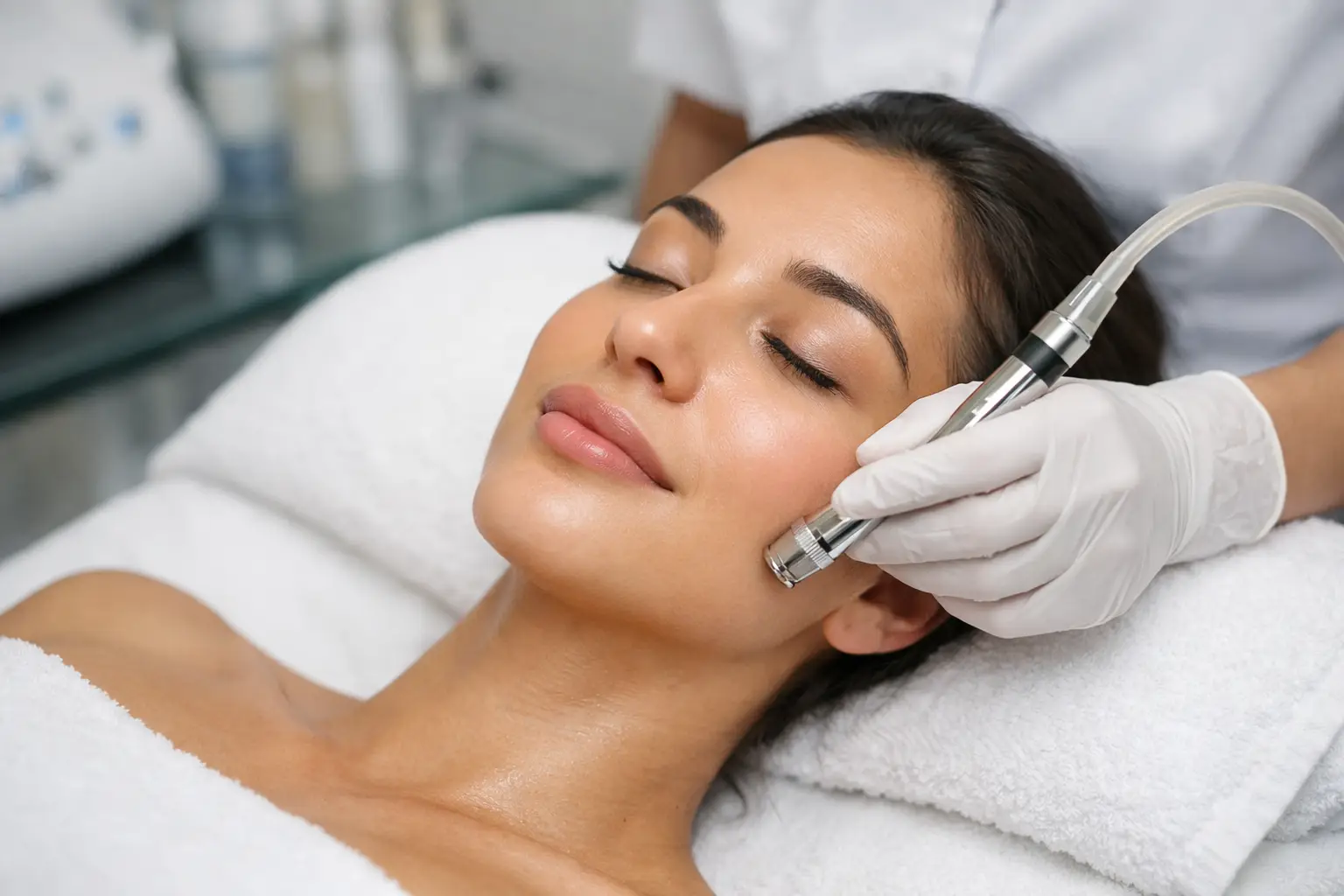
Microdermabrasion for Dull Skin: Is It Worth It?
When your skin looks flat no matter how good your skincare is, the issue is often not just dryness. A build-up of dead skin cells, congestion and uneven texture can leave your complexion looking tired, rough and lacking that healthy glow. That is exactly why microdermabrasion for dull skin remains one of the most requested facial treatments – it gives the skin a fresher, smoother and more polished finish without heavy downtime.
For clients who want visible improvement and a treatment that fits into a busy routine, microdermabrasion can be a smart option. It is especially popular with people who feel their makeup is sitting unevenly, their skin looks lacklustre in natural light, or their usual exfoliating products are no longer making much difference. The appeal is simple – clearer texture, brighter skin and a more refined surface.
What microdermabrasion actually does
Microdermabrasion is a non-invasive exfoliation treatment designed to remove the outer layer of dead skin cells from the skin’s surface. By gently resurfacing that top layer, it helps reveal newer skin underneath and encourages better texture and brightness. The skin often feels smoother straight away, and over a series of treatments it can look more even and refreshed.
This matters because dull skin is rarely just one issue. It can be caused by dehydration, sun exposure, congestion, ageing, slow cell turnover, leftover makeup residue, or simply the effects of stress and a full schedule. Microdermabrasion addresses the surface side of that problem by polishing away the build-up that can make skin appear tired.
It is not the same as a deep peel or an injectable treatment, and that is part of its appeal. You are not trying to force a dramatic result overnight. You are improving the quality and clarity of the skin in a controlled, professional way.
Why microdermabrasion for dull skin works so well
Dull skin often has a slightly uneven, rough look even when there are no major breakouts or visible irritation. Light does not reflect evenly from the surface, so the complexion can seem flat rather than radiant. Once that outer build-up is reduced, the skin tends to reflect light better, which creates that brighter, healthier appearance many clients are after.
There is also the texture factor. A smoother skin surface means skincare products generally sit better and makeup can apply more evenly. If your foundation has started looking patchy or your skin feels rough despite regular cleansing, this treatment can help reset the surface.
Another reason it works is consistency. Unlike treatments that are only suitable occasionally, microdermabrasion can be included in an ongoing skin plan, depending on your skin type and goals. That makes it useful for clients who want maintenance, not just a one-off pick-me-up before an event.
Who is a good candidate for microdermabrasion?
Microdermabrasion suits many clients who are concerned with dullness, mild congestion, uneven texture, superficial pigmentation and a rough skin feel. It can be a strong choice if you want your skin to look fresher without committing to a more intensive resurfacing treatment.
It is often well suited to beauty-conscious clients who already invest in facials and maintenance treatments and want something that delivers visible refinement. If your goal is polished, healthy-looking skin that supports your overall presentation, microdermabrasion can fit well into that routine.
That said, it is not ideal for everyone. If you have very sensitive skin, active rosacea, inflamed acne, broken capillaries, or compromised skin barrier function, the treatment may need to be modified or avoided altogether. The right approach depends on your skin condition on the day, not just the result you want.
What to expect at your appointment
A professional microdermabrasion treatment usually starts with a proper skin assessment. This step matters. Dullness can sit alongside dehydration, sensitivity or congestion, and a quality clinic will look at the full picture before treating your skin.
After cleansing, the microdermabrasion device is passed over the skin to exfoliate the surface. Most clients describe the sensation as slightly scratchy with a vacuum-like feeling, but still very manageable. It is generally quick, straightforward and does not require significant downtime.
Once the exfoliation is complete, calming and hydrating products are typically applied to support the skin. Because the old surface build-up has been removed, the skin can feel smoother and look more awake immediately after treatment. Some clients notice mild pinkness for a short time, but this usually settles quickly.
How many treatments will you need?
If you are booking microdermabrasion for dull skin before an event, one treatment may be enough to give the skin a fresher look. For ongoing concerns such as uneven texture, congestion or a generally tired complexion, a course of treatments usually gives better results.
The exact number depends on your skin, your goals and how consistent you are with aftercare. Some clients benefit from monthly maintenance, while others start with a closer treatment schedule and then move into upkeep appointments. This is where professional guidance makes a real difference – more is not always better, and the treatment plan should match your skin rather than follow a generic schedule.
What results are realistic?
Good microdermabrasion results are noticeable, but they should still look natural. You can expect skin that feels smoother, looks brighter and appears more refined. Makeup often sits better, and the complexion can look cleaner and more even.
What it will not do is fix every skin concern in one session. Deeper pigmentation, active acne, scarring and significant signs of ageing may need a broader treatment plan. Microdermabrasion improves surface quality exceptionally well, but it is not a substitute for every advanced facial or corrective procedure.
That is why realistic expectations matter. The best outcome is not skin that looks overtreated. It is skin that looks healthy, polished and well cared for.
Microdermabrasion versus other glow-boosting treatments
Clients often ask whether microdermabrasion is better than dermaplaning, hydrating facials or LED-based treatments. The answer depends on why your skin looks dull in the first place.
If the main issue is dead skin build-up and rough texture, microdermabrasion is often an excellent choice. If peach fuzz and surface debris are the main concerns, dermaplaning may suit you better. If the skin is dull because it is dehydrated and stressed, a treatment focused more heavily on hydration and barrier support may be the smarter first step.
Sometimes the most effective plan is not choosing one treatment over another, but combining the right treatments at the right time. At Ibeauty Medispa, that kind of treatment selection matters because skin that looks radiant is rarely the result of guesswork. It comes from matching the service to the condition of the skin.
Aftercare makes a difference
Professional treatment is only part of the result. Aftercare helps protect that fresh, newly exfoliated skin and supports the brightness you have just paid for.
For the first few days, your skin may be more sensitive to active products and sun exposure. Gentle skincare, good hydration and daily SPF are essential. This is not the time to overload the skin with strong scrubs, acids or retinol unless you have been specifically advised to do so.
If you want the glow to last, consistency at home matters just as much as the treatment itself. Clean skin, suitable hydration and sun protection help maintain the smoothness and clarity that microdermabrasion creates.
When microdermabrasion may not be the right choice
There are times when the best treatment is not the most popular one. If your skin is actively irritated, very reactive, or dealing with inflammation, pushing ahead with exfoliation may make things worse rather than better. The same applies if your dullness is mostly linked to barrier damage or significant dehydration.
In those cases, the skin may need calming, repairing and strengthening before resurfacing. That can feel less exciting if you want an instant glow, but it is often the better long-term decision. Healthy skin responds better to treatment, holds results more evenly and is less likely to flare up afterwards.
That is why a professional consultation is worth it. The goal is not just to book a treatment. The goal is to choose the one that gives you visible improvement without compromising skin health.
Is it worth booking?
If your skin has lost its brightness, feels rough, or looks tired even when you are doing all the right things at home, microdermabrasion can be a very worthwhile treatment. It offers visible refinement, minimal interruption to your routine and a cleaner, fresher finish that supports both skincare and makeup.
The best part is that the result does not have to look dramatic to make a real difference. When your skin is smoother, brighter and more even, your whole look appears more polished. Sometimes that is exactly the kind of treatment that brings your confidence back – subtle, professional and clearly effective.