
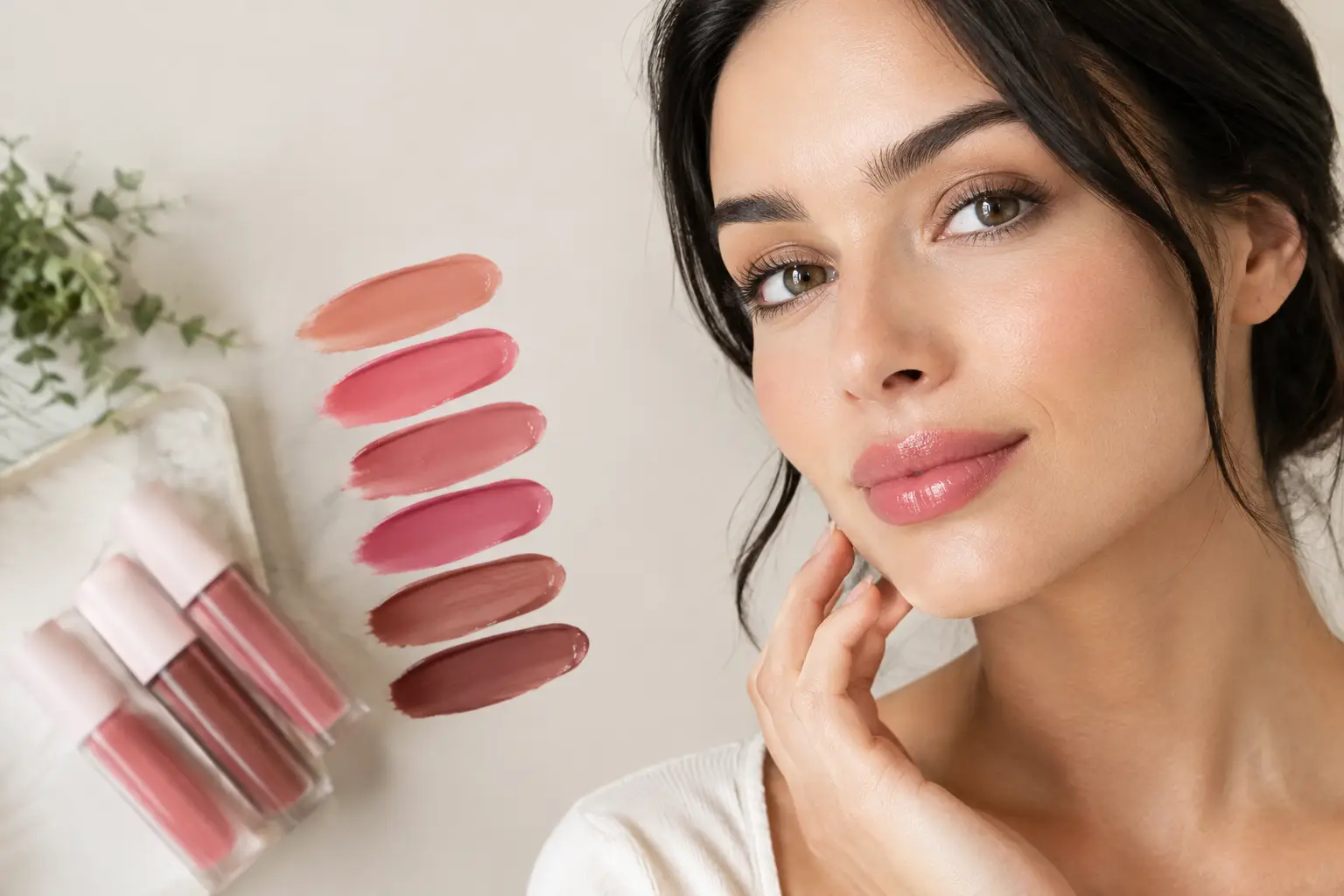
A Guide to Lip Blush Colours That Suit You
A lip blush shade can look beautifully soft in a pigment cup, then heal very differently on the lips. That is why a quality guide to lip blush colours starts with your natural lip tone, undertone and desired result, rather than simply choosing the lipstick shade you wear most often. The goal is not to create a heavy, filled-in lipstick look. It is to enhance your own lips with balanced, even colour that looks polished every day.
Lip blush is a cosmetic tattoo treatment designed to improve lip definition, restore colour and create the appearance of fuller, healthier-looking lips. The right shade should complement your complexion while still looking like you. Precision in colour selection is what creates that fresh, flattering finish.
Your guide to lip blush colours
When choosing lip blush, think about the healed result rather than the fresh colour immediately after your appointment. Freshly tattooed lips can appear brighter, deeper and more intense at first. During healing, the colour softens considerably before settling into its final tone over the following weeks.
This is why a consultation matters. Your artist assesses the natural colour already present in your lips, the depth of your skin tone, any uneven pigmentation and the look you would like to achieve. A shade that suits one client perfectly may not give the same result on another client, even when the pigment label is identical.
Most clients are looking for one of three outcomes: a subtle tint that brings life back to pale lips, a more even tone to soften darker or patchy areas, or refined definition around the lip border. Each goal calls for a slightly different colour approach.
Your natural lip colour sets the starting point
Lip blush pigments do not sit on the lips like traditional lipstick. They heal through the natural lip tissue, so your existing lip colour remains part of the final result. Pale pink lips may hold a soft rosy nude easily, while lips with stronger natural mauve, brown or purple tones may need a warmer corrective base before the desired shade can be achieved.
If you have naturally dark lips or uneven pigmentation, neutralisation may be recommended. This uses carefully selected warm pigments, often with peach, orange or coral tones, to balance cool or dark areas. It is a corrective stage, not necessarily the final shade you want to wear. Some clients need more than one session to gradually build an even, natural-looking result.
Trying to place a pale nude or cool pink over lips that need neutralising can lead to an ashy, greyish or muted healed colour. A professional artist will explain the trade-off clearly and create a treatment plan that protects the quality of your result.
Understanding warm, cool and neutral undertones
Undertone has a major influence on whether lip blush looks fresh and harmonious or slightly off. You may already know whether you tend to suit gold or silver jewellery, coral or berry lipstick, but lip colour selection goes further than that. Your skin undertone and your natural lip undertone both need consideration.
Warm undertones often suit colours with peach, coral, caramel, terracotta and warm rose notes. These shades can add healthy warmth without looking too orange when tailored correctly. They are particularly useful where the lips have cool or darker undertones that need balancing.
Cool undertones can suit rose, berry, mauve and pink-based shades. A soft cool rose can look refined and naturally flushed on the right client. However, a very cool pigment may not be suitable for lips with deep natural brown or purple pigmentation unless correction has been completed first.
Neutral undertones have flexibility, but that does not mean every shade will heal the same way. Neutral pinks, rosy nudes and balanced mauves are popular choices because they enhance the lips without looking overdone. Your artist can adjust a pigment formula warmer or cooler to keep the result flattering.
Popular lip blush colour families
Nude shades are ideal for clients who want a barely-there enhancement. Rather than looking beige or washed out, a well-chosen nude has enough pink, peach or rose within it to give the lips life. The best nude shade usually looks like your own lip colour on its best day.
Rosy pinks are a versatile choice for creating a youthful, fresh finish. They work beautifully for clients who like a gentle pink lip but do not want to apply lipstick each morning. The final result can range from a delicate blush pink to a deeper rose, depending on your starting point and desired intensity.
Peach and coral tones bring warmth and brightness. They are often used for clients with cool-looking lips or deeper natural pigmentation, but can also create a sunny, healthy effect on warm complexions. A softer peachy nude is often more timeless than a bold coral tattoo.
Mauve and berry tones offer more depth while remaining elegant. These colours can suit clients who usually reach for rosewood, berry balm or muted plum lipstick. The key is choosing a shade with enough warmth to heal cleanly, especially if there is pre-existing darkness in the lips.
Red-based lip blush is possible, but it is usually best approached as a soft red, warm rose or berry stain rather than an opaque statement lip. Cosmetic tattoo colour is long-lasting, so a wearable shade that works with your everyday makeup and wardrobe is often the smartest choice.
Bring inspiration, but keep expectations realistic
Photos of lip blush results and favourite lipstick shades are helpful at your consultation. They show whether you prefer pink, peach, nude or berry tones, and whether you want a subtle wash of colour or a more defined finish. They should be used as inspiration rather than a promise of an identical result.
Lighting, camera filters, natural lip tone and the healing process all affect how colour appears. A photograph taken immediately after treatment will look more vivid than healed lips. Similarly, a colour that looks perfect on someone with very pale lips may need a different pigment blend to flatter yours.
Be honest about how you normally wear makeup. If you rarely wear lipstick, a stronger berry or red may feel too noticeable once healed. If you love a polished lip every day, a slightly richer rose or mauve may give you the confidence and definition you are looking for.
Healing changes the colour before it settles
Lip blush is not judged on day one. In the first few days, lips can appear brighter, darker and slightly fuller from the treatment. As the surface heals, the colour may look softer or temporarily patchy. This is a normal part of the process.
Over the next several weeks, the pigment settles and the true healed shade develops. A perfection appointment is commonly needed to refine the colour, strengthen areas that have healed lighter or adjust the tone where appropriate. This is especially valuable for clients with uneven natural lip pigmentation.
Following your aftercare is part of protecting the final colour. Keep the lips clean, use the recommended aftercare product and avoid picking or peeling any dry skin. Heat, sun exposure, smoking, active skincare around the mouth and certain lifestyle factors can also affect colour retention. Your artist will provide personalised aftercare advice based on your treatment.
How to choose a colour you will still love later
The most successful lip blush colours are usually not the trendiest shades of the season. They are the shades that restore balance, suit your complexion and make your face look more awake without competing with the rest of your features.
Choose a colour that works on a no-makeup day, not only when you are wearing full foundation and liner. Consider your natural brow colour, hair colour and usual makeup style. If your beauty routine is clean and minimal, a soft rose nude or peachy pink may be ideal. If you enjoy a more defined look, a richer rosewood or warm berry can offer extra presence while still healing naturally.
At Ibeauty Medispa, lip colour tattooing is approached with the same focus on precision, care and natural enhancement as every cosmetic tattoo treatment. Your consultation is the place to discuss your starting lip tone, desired outcome and the realistic pathway to your perfect shade.
A beautiful lip blush colour should feel effortless when you catch your reflection: brighter, more even and confidently you. Book a consultation with a qualified cosmetic tattoo artist before choosing your shade, and give the process the attention your long-lasting result deserves.