
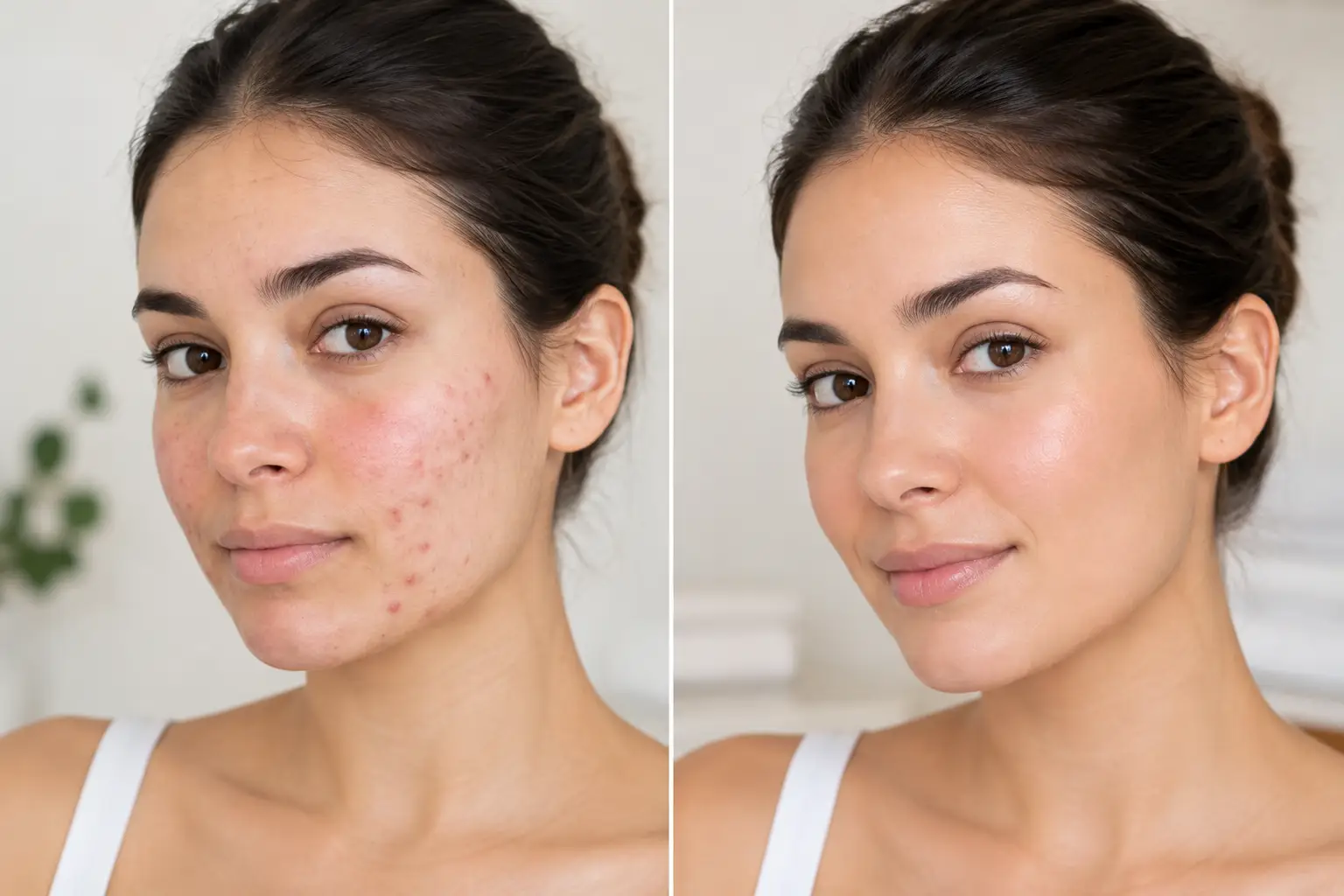
Acne Facial Results: What Your Skin Can Expect
A breakout before an important event can make even the best make-up routine feel like hard work. The right acne facial results are not about promising perfect skin overnight. They are about calming congestion, supporting clearer pores and helping your skin look fresher, smoother and more balanced with a treatment plan that suits your concerns.
For clients dealing with regular breakouts, blackheads, oily areas or post-acne texture, a professional facial can be a valuable part of ongoing skin care. At Ibeauty Medispa, treatments are selected with your skin condition, sensitivity and goals in mind, because quality care starts with understanding what your skin actually needs.
What Results Can You Expect From an Acne Facial?
An acne facial is designed to deeply cleanse the skin while addressing congestion, excess oil and the surface build-up that can contribute to blocked pores. Many clients notice an immediate difference in how clean and refreshed their skin feels. Their complexion may look brighter, with less visible surface oil and a smoother feel around areas prone to congestion, such as the forehead, nose, chin and jawline.
Visible changes to active breakouts can take longer. Inflamed acne needs a careful approach, and trying to aggressively treat every blemish in one appointment can leave the skin feeling stressed. A well-performed facial focuses on supporting the skin rather than stripping it. Over a series of treatments, clients may see fewer blocked pores, less frequent congestion and a more even-looking complexion.
Results vary depending on the type of acne you have. Blackheads and whiteheads often respond well to professional cleansing and carefully performed extractions. Oily, congested skin may benefit from regular treatments that manage build-up. Deep, painful or cystic acne may require medical advice alongside professional skin treatments, particularly if it is persistent or leaving scars.
Acne Facial Results: The First Few Days
Your skin can look different immediately after a facial, but the first result is not always the final result. Following cleansing, exfoliation and extractions, some clients experience mild redness in treated areas. This is especially common if there has been significant congestion or if the skin is naturally sensitive. It should settle, usually within a day or two, when the skin is treated gently afterwards.
You may also notice a small number of blemishes come to the surface after treatment. This is sometimes described as a purge, but it is not a sign that every breakout is beneficial or expected. If the skin has existing congestion beneath the surface, a facial can help bring it forward. Ongoing irritation, widespread new breakouts or prolonged sensitivity should be assessed before continuing with the same approach.
The best time to judge your acne facial results is generally after your skin has settled and you have followed the recommended home care. Give your complexion several days to rebalance. If you have a wedding, holiday or major occasion coming up, plan your appointment with enough time for any temporary redness to fade.
Why a Series Often Delivers Better Results
Acne is rarely caused by one thing. Hormonal changes, stress, cosmetic products, sweat, diet, medication and genetics can all affect the skin. That is why one facial may leave your skin looking clearer and more polished, while a series of treatments is often the better option for ongoing concerns.
Regular facials allow your skin therapist to monitor changes in your congestion, oil production and sensitivity. Your treatment can then be adjusted as your skin improves. For example, skin that is very congested may first need gentle clearing and calming care. Once the skin is less reactive, a treatment plan may focus more on exfoliation, texture and visible post-breakout marks.
Consistency also gives you a clearer picture of what is helping. Switching between harsh products, new treatments and at-home remedies every week can make acne harder to manage. A considered routine, supported by professional appointments, gives the skin a better chance to settle.
What Happens During an Acne Facial?
An acne facial should feel targeted, not one-size-fits-all. Your appointment begins with an assessment of your skin and a discussion about your concerns, current products, breakouts and any sensitivity. This step matters because skin that is oily can still be dehydrated, and skin with acne can also be delicate.
The treatment may include a thorough cleanse, exfoliation suited to your skin, steam where appropriate, extractions and a calming or clarifying mask. LED light therapy may also be recommended as part of a tailored skin plan. Different LED wavelengths are used to support the appearance of calmer, clearer-looking skin, making it a popular option for clients who want a gentle addition to their facial routine.
Extractions should always be performed with care. When blackheads or congestion are forced out too aggressively, the skin can become inflamed and may be more likely to mark. A professional treatment prioritises safe technique and skin condition over trying to extract every pore in a single visit.
How to Make Your Results Last Longer
Your at-home routine has a major influence on how long your facial results last. A professional treatment can clear and refresh the skin, but daily habits determine what happens between appointments. Keep your routine simple, consistent and suitable for acne-prone skin.
Cleanse gently rather than scrubbing at breakouts. Over-cleansing can leave the skin tight and irritated, which may encourage more oil production. Choose non-comedogenic products where possible, and avoid heavy layers of make-up or skincare that leave your skin feeling coated. Make-up brushes, pillowcases and mobile screens should also be cleaned regularly, particularly if you are prone to jawline or cheek breakouts.
After a facial, avoid picking at your skin. It can be tempting when a blemish looks close to the surface, but squeezing can increase inflammation and raise the risk of lingering marks. Skip strong exfoliants, retinol products and intense heat for the period recommended by your therapist, especially if your skin feels sensitive.
Daily SPF is another worthwhile habit. Sun exposure can make post-acne marks appear darker and can slow the look of an even complexion. A lightweight sunscreen that suits acne-prone skin helps protect the progress you are working towards.
Choosing the Right Treatment for Your Skin
Not every facial is right for every breakout. If your skin is inflamed, tender or dry from acne products, gentle calming care may be more appropriate than strong exfoliation. If your main concern is stubborn blackheads and dull, congested skin, professional extractions and resurfacing-focused care may be better suited.
Microdermabrasion and dermaplaning can be excellent treatments for texture and surface dullness in the right client, but they are not automatically suitable over active, inflamed acne. The right choice depends on what is happening in your skin at the time of your appointment. A professional consultation helps prevent the common mistake of treating acne aggressively when the skin barrier needs support first.
For severe acne, sudden adult acne or breakouts that are painful and scarring, a GP or dermatologist should be part of your care plan. A facial can complement medical treatment, but it should not replace it.
Clearer skin is usually built through thoughtful, regular care rather than a single quick fix. Give your skin the time, professional support and gentle consistency it deserves, and the change you see can feel as confidence-boosting as it looks.