
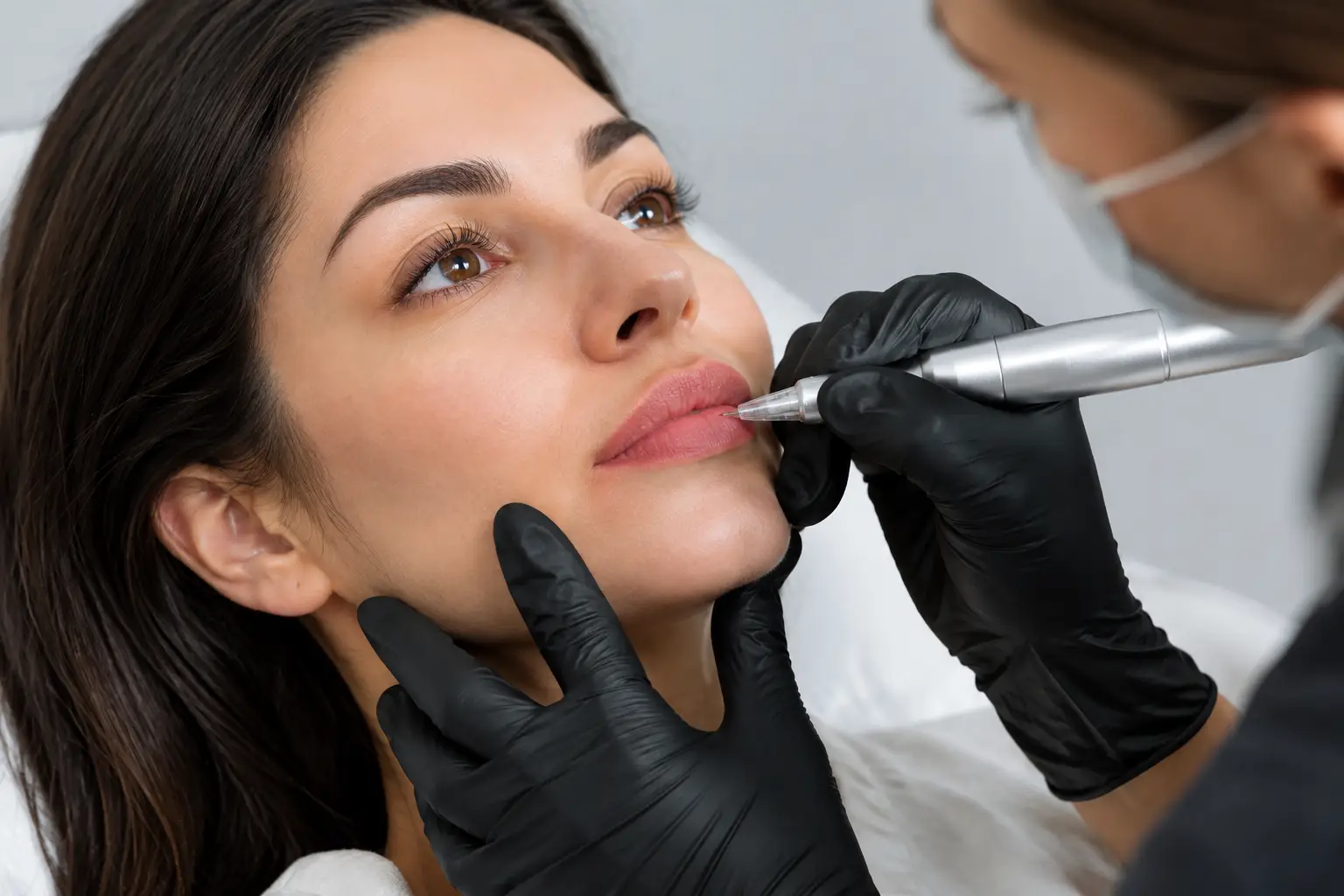
Lip Tattoo Pain: What It Feels Like During Treatment
A lip colour tattoo can make your natural lips look more even, defined and fresh from the moment you wake up. But for many first-time clients, one question comes before choosing a shade: how much lip tattoo pain should I expect? The honest answer is that lips are a sensitive area, but a professionally performed treatment with appropriate numbing is usually far more manageable than people imagine.
The sensation is not identical for every client. Your natural sensitivity, stress level, menstrual cycle, history of cold sores and the condition of your lips can all influence how the treatment feels. Knowing what happens at each stage helps replace nerves with realistic expectations.
Why Lip Tattoos Can Feel More Sensitive
The lips have a high concentration of nerve endings and very delicate skin. Unlike an eyebrow tattoo, where the skin is generally less reactive, cosmetic tattooing around the lips can feel more intense because the area moves, holds moisture and is naturally more sensitive.
That does not mean the appointment should be unbearable. A skilled cosmetic tattoo artist works with control, light layering and a considered approach to pigment placement. The goal is a soft, even wash of colour that enhances your lip shape, not heavy, harsh saturation. This level of precision also supports a more comfortable experience.
Clients describe the feeling in different ways. Some notice a light scratching or vibrating sensation, while others feel warmth, pressure or mild stinging, especially along the lip border. The cupid’s bow and the centre of the lower lip are often the most noticeable areas. For most people, it is the anticipation rather than the treatment itself that feels most challenging.
Lip Tattoo Pain During Each Stage
Before the tattoo begins
Your appointment should begin with a consultation about your desired result, natural lip tone and suitability for treatment. The artist will map the shape, discuss colour choices and make sure the design suits your facial features. This is also the time to mention any previous cosmetic tattooing, lip filler, allergies, medications or history of cold sores.
A topical numbing cream is generally applied before tattooing starts, following the clinic’s treatment protocol. Many clients find that this takes the edge off the first passes considerably. You may still feel contact and movement, but the sensation is usually dulled rather than sharp.
During pigment application
Once the initial outline and first layers are complete, further numbing products may be used where appropriate. This often makes the rest of the session more comfortable. You may notice that one side feels more sensitive than the other, or that sensitivity changes as the appointment progresses. That is normal.
The treatment is built gradually. Instead of trying to force colour into the lips in one pass, a careful artist creates coverage in layers to protect the skin and achieve a refined healed result. This is why quality, technique and patience matter far more than rushing through the service.
If you feel discomfort building, say so. A professional artist would rather pause, assess your comfort and adjust the approach than have you tense your lips throughout the appointment. Keeping your shoulders relaxed and following your artist’s guidance can make a genuine difference.
Immediately afterwards
For most clients, the stronger sensation begins after the numbing has worn off. Your lips may feel tender, warm, tight or mildly swollen for the first day. Think of the feeling as similar to dry, windburnt lips rather than ongoing tattoo pain.
Swelling varies. Some clients experience only a little puffiness, while others notice more swelling, particularly if their lips are naturally reactive. The colour will also look brighter and bolder at first. This is expected and does not represent your final result.
What Can Make a Lip Tattoo Feel More Painful?
Your comfort is not only about pain tolerance. Arriving with dry, cracked or sunburnt lips can make the area more reactive and may affect how evenly pigment heals. Dehydration, poor sleep, stress and anxiety can also heighten sensitivity.
Timing matters for some clients. Many people find their skin feels more sensitive around their menstrual cycle, so it can be worth considering this when choosing your booking date. Caffeine and alcohol immediately before an appointment may increase sensitivity or bleeding, which can make the treatment harder to perform precisely. Follow the pre-care advice provided by your clinic rather than making last-minute changes based on social media tips.
A history of cold sores needs special attention. Lip tattooing can trigger an outbreak in people who are prone to them. Tell your artist before booking and speak with your GP or pharmacist about whether preventative antiviral medication is appropriate for you. Do not attend if you have an active cold sore, broken skin or an infection around the mouth.
Recent lip filler, skin treatments near the mouth or medications that affect healing may also change the right timing for your appointment. A proper consultation protects both your comfort and your final colour result.
How to Prepare for a More Comfortable Appointment
Start preparing several days before your treatment by keeping your lips hydrated with a simple, suitable lip balm. Gentle hydration helps create a smoother surface for the tattoo, but avoid aggressive exfoliation or trying new active products straight before your booking. You want calm, healthy skin, not irritated lips.
On the day, eat a proper meal and arrive well hydrated. Low blood sugar can leave you feeling light-headed or more anxious, especially if it is your first cosmetic tattoo appointment. Wear comfortable clothing and plan a relaxed day afterwards so you are not rushing to work, a special event or a long night out.
It also helps to set the right expectation. A lip colour tattoo is an appointment-based beauty treatment, not a quick swipe of lipstick. You will need to stay still at times, keep your mouth relaxed and allow your artist to work carefully around the shape of your lips. The result is worth that patience: a polished, natural-looking tint that can reduce daily makeup effort.
Healing Discomfort Is Different From Treatment Pain
The healing period is where clients sometimes become concerned, largely because the lips change quickly. In the first few days, they may feel dry, tight and flaky. The colour can appear much deeper than expected before softening significantly as the surface skin heals.
Avoid picking, peeling or scrubbing the lips. Let flaking come away naturally, and use only the aftercare product and instructions recommended by your cosmetic tattoo artist. Keeping the area clean and protected supports even healing and helps preserve the intended colour.
You may need to temporarily avoid activities that expose fresh tattooed lips to excess heat, moisture or friction, such as swimming, saunas and intense exercise. Be mindful with food and drinks too. Spicy foods, very hot drinks and messy meals can irritate freshly tattooed lips in the early stage. Your clinic will give you specific aftercare directions based on your treatment and skin needs.
A touch-up appointment is commonly part of the lip tattoo process because colour retention differs from person to person. Some areas may heal lighter, and the final shade often needs fine adjustment once your lips have settled. This is not a sign that anything has gone wrong. It is how a tailored, long-lasting result is refined.
Choosing Expertise Over a Quick Appointment
When clients ask about lip tattoo pain, they are often also asking whether they will feel safe, listened to and cared for. Those details matter. The right practitioner will assess your lips, explain the treatment clearly, use appropriate hygiene and numbing procedures, and prioritise a shape and colour that enhance your natural features.
At Ibeauty Medispa, lip colour tattooing is approached as a precision beauty service. The focus is on balanced shape, flattering colour and a result that looks polished without looking overdone. A detailed consultation gives you space to raise concerns about sensitivity and decide whether the treatment is right for you.
Pain should never be the only factor in your decision. When your lips are healthy, your expectations are realistic and your treatment is performed with care, the experience is usually very manageable. A consultation is the best place to discuss your comfort, your desired colour and the small preparation steps that can help you walk into your appointment feeling confident.