
Are Eyelash Extensions Safe? What to Know
A full, fluttery lash line can make getting ready feel beautifully simple, but your eyes are not an area to take chances with. So, are eyelash extensions safe? For most people, they can be when they are applied with the right technique, quality products and careful hygiene. The key is choosing a skilled lash artist, being honest about your eye health and following aftercare that protects both your natural lashes and the delicate skin around your eyes.
Eyelash extensions are not a one-size-fits-all treatment. Your natural lash health, sensitivities, lifestyle and the style you choose all affect whether extensions are a good fit. A polished result should feel lightweight, comfortable and tailored to you – never tight, scratchy or painful.
Are Eyelash Extensions Safe When Applied Professionally?
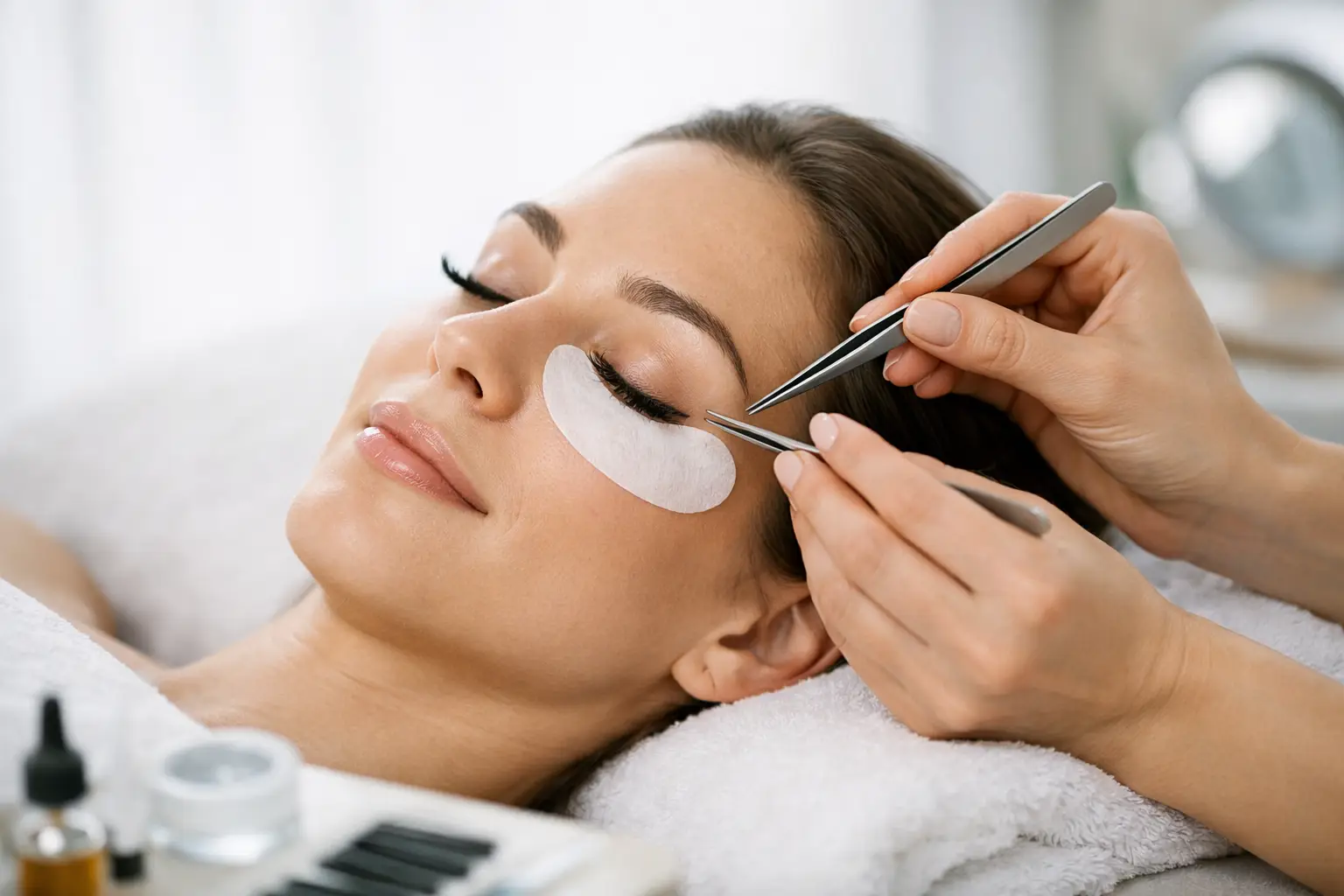
Professional application makes a meaningful difference. Lash extensions are individually attached to natural lashes using a specialised adhesive. When isolation is precise, extension weight is appropriate and the lashes are cleansed correctly, the treatment should not damage healthy natural lashes.
The concern is not simply that extensions exist. Problems usually arise when lashes are applied too heavily, several natural lashes are glued together, adhesive touches the skin or hygiene is overlooked. Poorly applied extensions can create pulling, breakage, irritation and an uncomfortable grow-out period.
A quality lash artist will assess your natural lashes before starting. If they are fine, sparse or recovering from damage, a lighter classic or soft hybrid set may be more suitable than a very full volume look. The safest set is not necessarily the boldest one. It is the set your natural lashes can comfortably support.
Your appointment should also feel calm and considered. Clean tools, fresh disposables, correctly stored products and a hygienic treatment space are essentials, not upgrades. At Ibeauty Medispa, lash treatments are approached with the same precision and care that clients expect from every beauty service.
What Are the Possible Risks?
Extensions are generally low risk when performed well, but no cosmetic treatment is completely risk-free. Adhesive fumes, ingredients, technique and aftercare can all affect the eye area.
The most common issue is irritation. Some clients experience watery eyes, mild redness or a stinging sensation during an appointment, particularly if their eyes are not fully closed or they are sensitive to fumes. This should settle quickly. Ongoing burning, swelling, significant redness or pain is not something to push through.
An allergy is different from temporary irritation. Allergic reactions may appear during the appointment or in the following day or two, and can include itchy, puffy eyelids, redness, watering or a rash around the eye area. If you suspect a reaction, arrange professional removal rather than pulling extensions off yourself. Seek medical advice promptly, especially if symptoms are severe or affect your vision.
There is also a risk of natural lash damage when extensions are too long, too thick or incorrectly attached. Your natural lashes grow in cycles and should shed gradually. If a heavy extension is attached to a fine lash, or multiple lashes are stuck together, it can place unnecessary tension on the hair follicle.
Infection is less common, but it is possible when lashes are not cleansed properly or when unclean tools and products are used. Oils, makeup residue and daily debris can build up along the lash line, which is why regular gentle cleansing matters even when you want to preserve your extensions.
Choose Your Lash Artist Carefully
A beautiful set begins before the first extension is applied. Look beyond a social media photo and pay attention to how the service is delivered. A professional artist should ask about previous sensitivities, eye conditions, medications that may affect your eyes or skin, and the result you want to achieve.
They should also explain realistic options. If your natural lashes are short or fragile, an experienced artist will guide you towards a lighter, safer design rather than promising extreme length or density. This is where quality over quantity protects your long-term lash health.
Before booking, ask how the artist manages hygiene, whether they use professional lash products and what happens if you feel discomfort during your appointment. You should feel comfortable speaking up at any point. Pain, strong burning or a sharp pulling sensation is not normal during lash application.
A patch test may be recommended if you have a history of allergies or sensitivity. While it cannot guarantee that you will not react, it can be a sensible step to discuss with your lash artist before a full set.
How to Keep Eyelash Extensions Safe Between Appointments
Your aftercare has a direct impact on comfort, retention and cleanliness. The aim is simple: keep the lash line clean, avoid unnecessary pulling and do not interfere with the bond.
For the first 24 to 48 hours, follow your artist’s guidance on moisture, steam and cleansing so the adhesive can cure properly. After that, cleanse your lashes regularly with an extension-safe cleanser and rinse gently with water. Pat dry carefully, then brush through with a clean spoolie once they are dry.
Try not to rub your eyes, sleep face-down into the pillow or use a mechanical eyelash curler. These habits can twist extensions, weaken the adhesive bond and place pressure on your natural lashes. Oil-based eye makeup removers and heavy cream products around the lash line may also affect retention, depending on the adhesive used.
Do not pick at loose extensions. It can be tempting, particularly as they begin to shed, but pulling can remove a natural lash before it is ready. A professional infill or removal appointment is the safer option.
If you wear eye makeup, choose products that are easy to cleanse away and avoid waterproof mascara on extensions. In most cases, mascara is unnecessary and can make cleaning more difficult. Clean lashes are healthier lashes and they also keep their soft, defined finish for longer.
When Should You Avoid Lash Extensions?
It may be best to postpone your appointment if you have an active eye infection, conjunctivitis, a stye, broken skin around the eyes or unexplained eye irritation. Wait until the area has fully recovered and seek advice from a healthcare professional if needed.
Clients with chronic eye conditions, frequent allergic reactions or very sensitive eyes should speak with their optometrist or doctor before trying extensions. The same applies if you have recently had eye surgery or are using prescription eye drops. Your health comes first, and a great beauty result should never compromise it.
Pregnancy does not automatically rule out eyelash extensions, but sensitivities can change and lying still for a long appointment may not be comfortable for everyone. Let your artist know so the appointment can be planned with your comfort in mind.
Questions Clients Often Ask
Will eyelash extensions ruin my natural lashes?
Not when they are correctly selected and applied. Natural lashes shed as part of their normal cycle, so it can look as though you have lost more lashes when extensions come off. Damage is more likely with excessive weight, poor isolation or picking at extensions.
Can I wear contact lenses to my appointment?
Many clients can, but removing contact lenses before your appointment is often more comfortable. Your eyes will remain closed for an extended period, and this can reduce dryness or irritation. Ask your lash artist what they recommend.
How often do I need infills?
Most clients book infills every two to three weeks, depending on their natural lash cycle, the style of set and how well they follow aftercare. Waiting too long can mean needing a more extensive appointment or a new full set.
What should I do if my eyes become red or swollen?
Do not apply more makeup or try to remove the lashes at home. Contact your lash artist for guidance and seek medical care promptly if you have pain, swelling, discharge, worsening symptoms or any change to your vision.
The best lash extensions should enhance your features while still respecting your natural lashes. Choose a considered style, keep the lash line clean and work with an artist who puts your comfort first. That is how you get the effortless, confidence-boosting result you want – with care built into every appointment.