
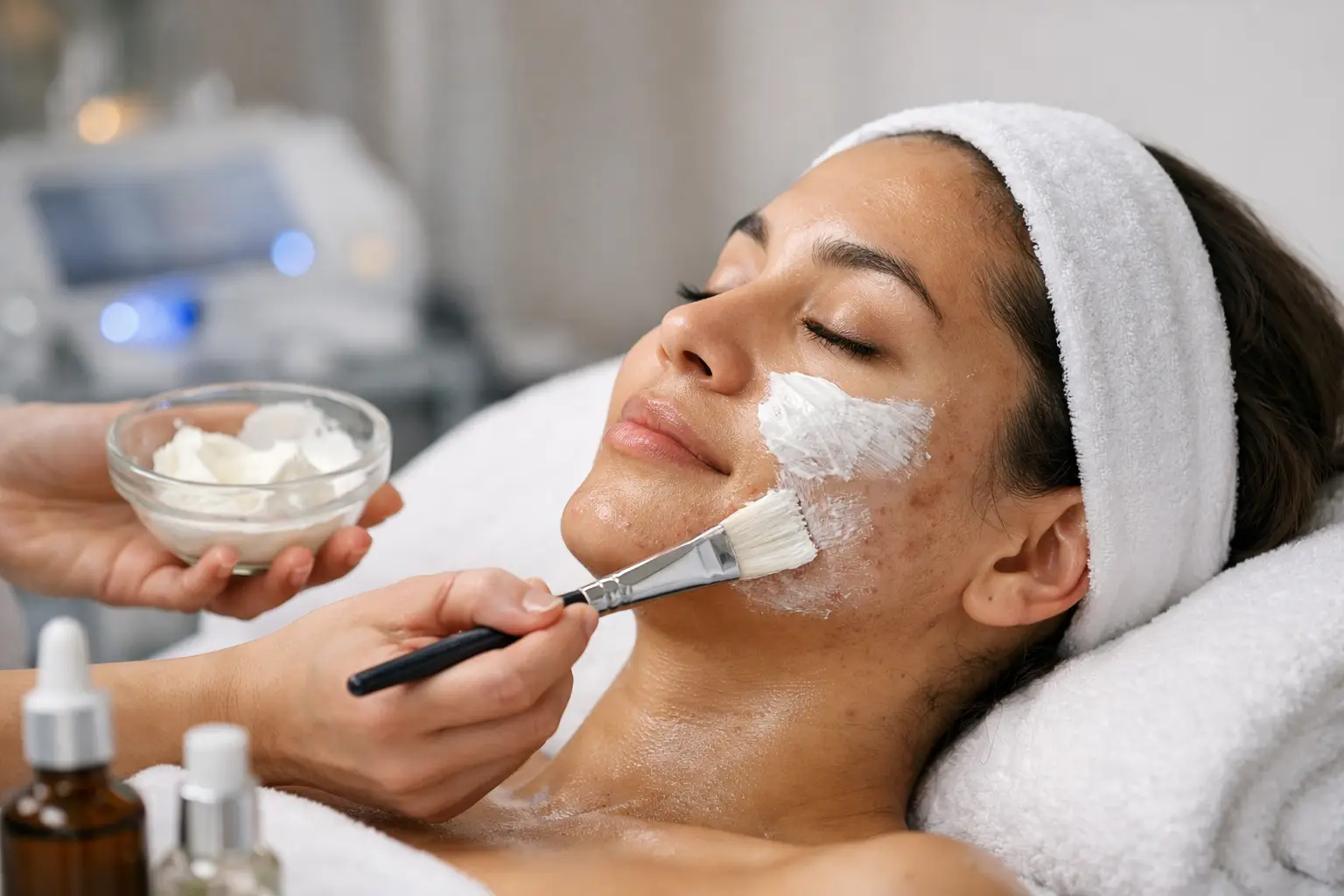
Best Facials for Acne Scars That Actually Help
Acne may be gone, but the marks it leaves behind can still affect how confident you feel without makeup. The best facials for acne scars are not a one-size-fits-all solution. The right treatment depends on whether you are dealing with lingering discolouration, uneven texture, active breakouts, or deeper indented scarring.
At a professional skin clinic, the goal is to improve your skin gradually and safely, not over-exfoliate it in the hope of a quick fix. A tailored treatment plan can help refine the look of texture, support clearer pores and bring back a smoother, more even-looking complexion.
First, know the difference between acne marks and acne scars
Many clients call every post-acne mark a scar, but they are not quite the same. Red, pink or brown marks left after a blemish has healed are often post-inflammatory marks. They can fade over time, particularly when skin is protected from the sun and treated gently.
True acne scars are changes in the skin’s texture. They may look like shallow depressions, small narrow pits, wider rolling indentations or raised areas. Facials can support the appearance of mild textural scarring and improve overall skin quality, but deeper scars may require a more targeted treatment plan with a qualified medical professional.
This distinction matters because the wrong approach can aggravate sensitive skin. If you still have inflamed, sore or cystic acne, treating the active condition first is usually the smarter step before focusing heavily on scar revision.
Best facials for acne scars and uneven texture
Microdermabrasion for surface refinement
Microdermabrasion is a popular choice for skin that feels rough, dull or uneven after acne. This professional exfoliation treatment gently buffs away a layer of built-up dead skin cells while encouraging fresher-looking skin at the surface.
For mild textural concerns and post-acne congestion, microdermabrasion can help the complexion look smoother and makeup sit more evenly. It can also support brighter-looking skin where superficial marks have made the overall tone appear patchy.
It is not designed to erase deep pitted scars. However, when completed as part of a consistent treatment plan, it can make a visible difference to the skin’s softness, clarity and polish. Your therapist will also need to assess whether your skin is calm enough for exfoliation, as very inflamed or irritated acne may need a gentler approach first.
Hydra-Micro treatments for congested, dehydrated skin
Acne-prone skin is often treated as though it only needs to be dried out. In reality, many clients have a combination of blocked pores, excess oil and dehydration at the same time. When the skin barrier is compromised, it may feel tight, look irritated and become harder to manage.
A Hydra-Micro treatment is ideal when skin needs thorough cleansing and exfoliation without a harsh, stripped feeling. It can help lift surface buildup, refresh congested areas and deliver hydration that leaves the complexion looking clearer and more balanced.
This treatment can be particularly helpful for clients with post-acne marks and dullness, where the skin needs refinement but also comfort. It will not rebuild deep scar tissue, yet healthier, better-hydrated skin often reflects light more evenly, making texture appear less noticeable.
LED light therapy for calm, supported skin
LED light therapy is a valuable addition when acne has left skin looking red, reactive or stressed. Different LED wavelengths are selected to support specific skin concerns, including visible inflammation and the healing process.
For acne scars, LED is best viewed as a supportive treatment rather than a standalone solution for indentation or texture. It does not physically resurface the skin. Its strength is helping to calm the complexion and support a more comfortable recovery period, particularly when used alongside appropriate professional facials.
Clients with active breakouts may also benefit from LED as part of an acne-focused plan. Reducing visible inflammation and supporting clearer skin can help limit the cycle of picking and new blemishes that may lead to further marks.
Acne facials for prevention and clearer pores
An acne facial is designed around the needs of breakout-prone skin. Depending on your skin assessment, it may focus on deep cleansing, gentle exfoliation, extractions where suitable, hydration and calming care.
This is often one of the best places to start if acne is still active. Preventing future breakouts is essential when your priority is improving acne scars, because every new blemish can create another mark or disrupt the progress you are making.
Professional extractions should always be performed with care. Attempting to squeeze congestion at home can increase inflammation, spread bacteria and raise the risk of further scarring. A considered facial approach gives the skin the attention it needs without unnecessary trauma.
Dermaplaning for a smoother surface glow
Dermaplaning removes surface dead skin cells and fine facial hair using a professional blade. The result is often immediately smoother-feeling skin with a fresh, polished finish. It can be a lovely option for superficial roughness, dullness and makeup that catches on dry patches.
However, dermaplaning is not suitable for every acne-scar concern. It does not treat deeper indented scars, and it may not be recommended where there are active inflamed breakouts. A professional consultation is the best way to decide whether it suits your skin at this stage.
Why one facial rarely changes scars overnight
Acne scars develop below the skin’s surface, often after inflammation has affected collagen during the healing process. That is why a single facial may leave skin glowing and smoother to touch, while deeper textural changes take more time.
The most satisfying results usually come from consistency. A personalised series of treatments, appropriate spacing between appointments and a simple home-care routine can improve the way skin looks and feels over several months. Your therapist should be honest about what is achievable through facials and when it may be worthwhile seeking more advanced medical scar treatments.
Be cautious with aggressive scrubs, strong acids and at-home devices, especially if your skin is sensitive or still breaking out. More intensity does not always mean better results. Overdoing exfoliation can weaken the skin barrier, trigger redness and make post-acne marks appear more obvious.
Choosing the right treatment for your skin
Your skin consultation should look beyond the word “scars”. A skilled therapist will assess the type of marks present, whether acne is active, how sensitive your skin is and what treatments you have tried before. They should also ask about your current skincare, medications and any history of pigmentation changes.
For mild roughness and dullness, microdermabrasion or dermaplaning may be appropriate. For congestion with dehydration, a Hydra-Micro treatment may offer a more balanced starting point. For redness, active acne concerns or easily irritated skin, LED light therapy and a tailored acne facial can provide more supportive care.
If your scars are deep, widespread, raised or causing significant distress, a facial can still improve overall skin condition, but it should not be sold as a complete cure. A GP or dermatologist can advise on clinical options where needed, particularly if acne is painful, cystic or leaving new scars.
Supporting your results between appointments
Professional treatments work best when your daily routine protects the progress made in the treatment room. Keep your routine gentle and consistent. Avoid picking blemishes, use products suited to acne-prone skin and wear broad-spectrum sunscreen every day. Sun exposure can deepen the appearance of post-acne marks and make the skin tone look less even.
There is also no need to crowd your bathroom shelf with every trending active ingredient. A carefully selected routine is easier to follow and less likely to irritate your skin. Your therapist can guide you on when to exfoliate, when to focus on hydration and when to give your skin a break.
The best result is skin that looks clearer, feels smoother and is supported at every stage of healing. A personalised consultation at Ibeauty Medispa can help you choose a facial plan that respects your skin’s limits while working towards the confident, refined complexion you want.