
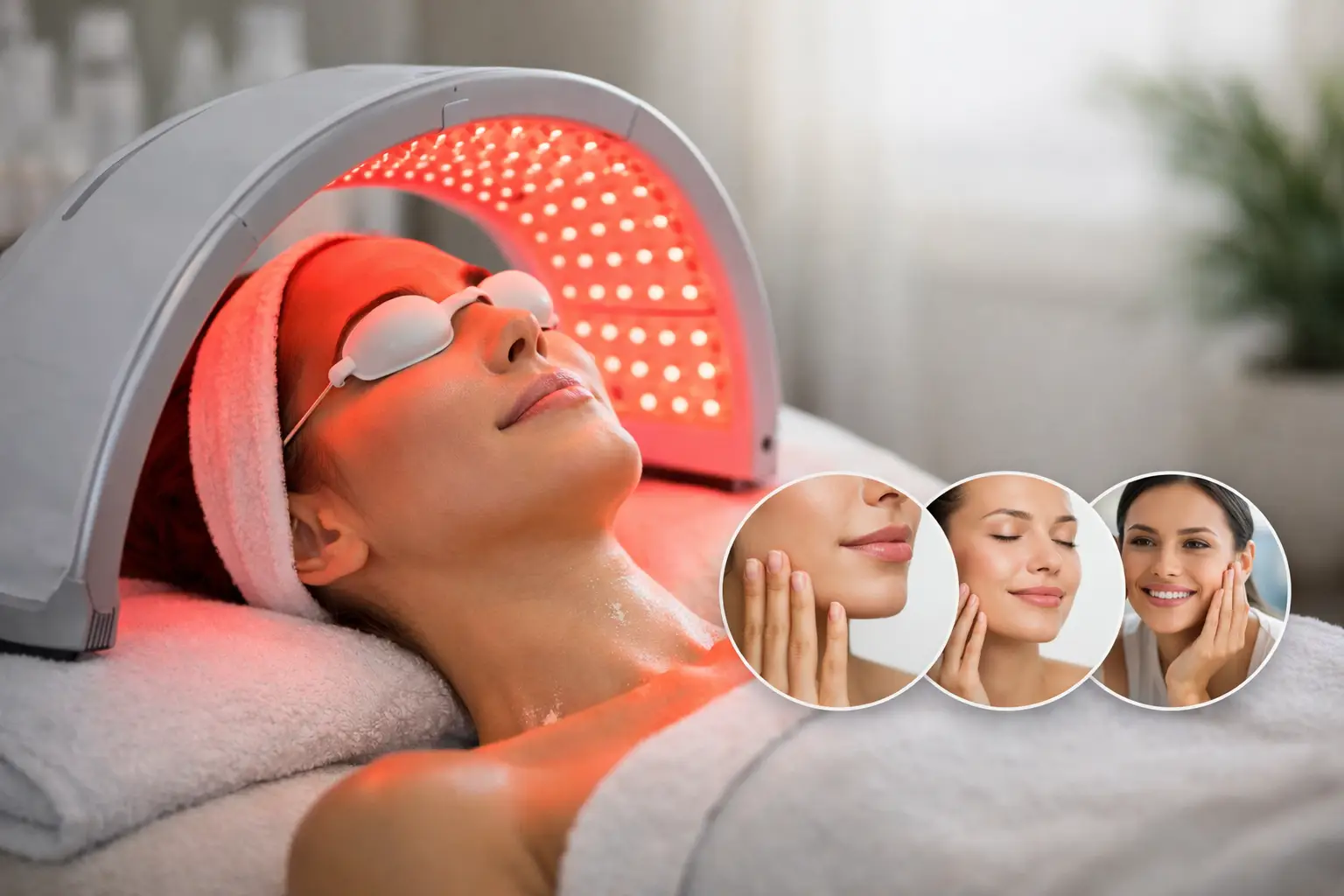
LED Light Therapy Facial: What Results to Expect
A dull, congested or breakout-prone complexion does not always need an aggressive treatment. An LED light therapy facial offers a gentle, non-invasive way to support clearer, calmer and more radiant-looking skin, with no needles and no recovery time. It is a popular choice when your skin needs visible care but your diary does not allow for peeling, redness or time away from work.
At Ibeauty Medispa, LED can be incorporated into a tailored skin treatment plan based on your concerns, whether that is active breakouts, dehydration, sensitivity, uneven tone or the first signs of skin ageing. The key is choosing the right light, the right treatment combination and a realistic schedule for your skin.
What is an LED light therapy facial?
LED stands for light-emitting diode. During treatment, specific wavelengths of light are delivered to the skin using an LED panel or mask. Unlike UV light, therapeutic LED light does not tan or burn the skin. Instead, it is selected to support different skin processes at varying depths.
An LED facial is comfortable and relaxing. After cleansing and preparing the skin, your therapist positions the LED device over the face while you rest with protective eyewear. Depending on your treatment plan, LED may be used on its own or after other professional facial steps such as exfoliation, extractions, dermaplaning or a Hydra-Micro treatment.
The treatment is not designed as a one-off miracle. You may leave with a fresher-looking glow, particularly if your skin is dehydrated or tired, but more significant results generally come from a consistent course of treatments and appropriate home care.
Which LED light is right for your skin?
Different LED colours are associated with different skin concerns. Your therapist will assess your skin rather than simply choosing a colour because it is popular online.
Blue light for breakout-prone skin
Blue LED light is commonly used in acne-focused facials. It can help support a clearer complexion by targeting the bacteria associated with some breakouts and helping to calm the appearance of inflamed skin. It is especially useful for clients experiencing regular congestion, oily areas and active blemishes.
Blue light works best as part of a considered acne plan. If your breakouts are hormonal, severe or leave significant scarring, LED may support your professional skincare routine but may not be the only treatment you need. Your therapist can advise when to combine it with cleansing, exfoliation or other corrective facial treatments.
Red light for glow and skin renewal support
Red LED light is often chosen for clients concerned with dullness, fine lines, redness and a loss of firmness. It is used to support the skin’s natural renewal processes and promote a healthier, more luminous appearance over time.
This makes red light a lovely option before an event if you want skin that looks rested and hydrated without downtime. For longer-term concerns such as texture and fine lines, regular appointments deliver more value than relying on a single session before a special occasion.
Near-infrared light for deeper support
Near-infrared wavelengths are invisible to the eye and are often used alongside red light. They are selected to support skin repair and recovery, making them a useful addition for mature, stressed or sensitised-looking skin.
The best combination depends on your complexion, current skincare and treatment history. Skin that is dry and reactive needs a different approach from skin that is oily and congested. Quality treatment is never one-size-fits-all.
What happens during your appointment?
Your appointment should begin with a discussion about your skin, your concerns and any relevant health information. Let your therapist know if you are using prescription acne treatments, photosensitising medication, strong active skincare, or if you have recently had injectables, peels or laser treatments. This helps ensure your facial is appropriate and timed well.
Once your skin is cleansed, your treatment may include targeted preparation such as gentle exfoliation or hydration. LED is then applied for a set period, commonly around 15 to 30 minutes depending on the device and protocol. You will not feel heat, pain or a tingling sensation from the light itself. Most clients find it a quiet, restorative part of the appointment.
Your therapist will finish with products selected for your skin condition, including hydration and daily SPF. The result should be skin that feels comfortable, cared for and visibly refreshed, not stripped or overstimulated.
How many treatments will you need?
This is where expectations matter. An LED light therapy facial can give skin an immediate healthy-looking boost, but concerns such as acne, persistent redness and visible signs of ageing respond more gradually. A series of treatments is often recommended, particularly at the beginning, followed by maintenance appointments as needed.
Your ideal frequency depends on your concern, your skin’s response and what else is in your routine. Someone preparing for a wedding may book LED as part of regular facials in the weeks leading up to the date. Someone managing breakouts may benefit from closer appointments initially, then a maintenance plan once the skin is more settled.
Consistency at home also shapes your results. Gentle cleansing, a suitable moisturiser, daily broad-spectrum sunscreen and avoiding unnecessary picking all help protect the progress made in the treatment room. Expensive products are not automatically better. The right products, used consistently, are what make a difference.
Can LED be combined with other facial treatments?
Yes, and this is often where LED is most valuable. It can complement treatments that focus on surface texture, hydration or congestion. For example, LED after an exfoliating facial may help settle the look of the skin, while blue light can be an excellent addition to an acne facial.
However, more is not always better. If your skin barrier is compromised, flaky, stinging or highly reactive, intensive exfoliation may not be the right choice that day. A professional treatment plan should prioritise skin health first, then build towards correction and glow. Your therapist may recommend a gentler facial with LED rather than pushing through with a stronger service.
Is LED light therapy safe for everyone?
LED is considered a gentle treatment for many skin types and tones, and it has the advantage of no usual downtime. You can generally return to work, errands or evening plans straight after your appointment. That said, every treatment still requires a proper consultation.
LED may not suit clients with certain light sensitivities, eye conditions or medical circumstances, and some medications can increase photosensitivity. Pregnancy, active skin infections and recent procedures may also affect what can be performed. Always disclose your full health and skincare history honestly, even if it seems unrelated to your facial.
Aftercare is simple. Keep your skin hydrated, wear SPF every day and avoid introducing a new strong active product immediately after treatment. If you have had LED as part of a more intensive facial, your therapist may provide additional aftercare tailored to the steps performed.
Choosing LED for skin that looks like you, at your best
The appeal of LED is not that it changes your face overnight. It is that it supports healthier-looking skin without interrupting your routine. It can calm the appearance of a breakout, revive tired skin before an occasion and complement a longer-term plan for texture, tone and visible ageing.
Book with a qualified therapist who will assess what your skin needs now, not sell you a generic facial. With the right treatment plan and regular care, LED can become the calm, effective step that keeps your complexion looking polished, balanced and confidently yours.