
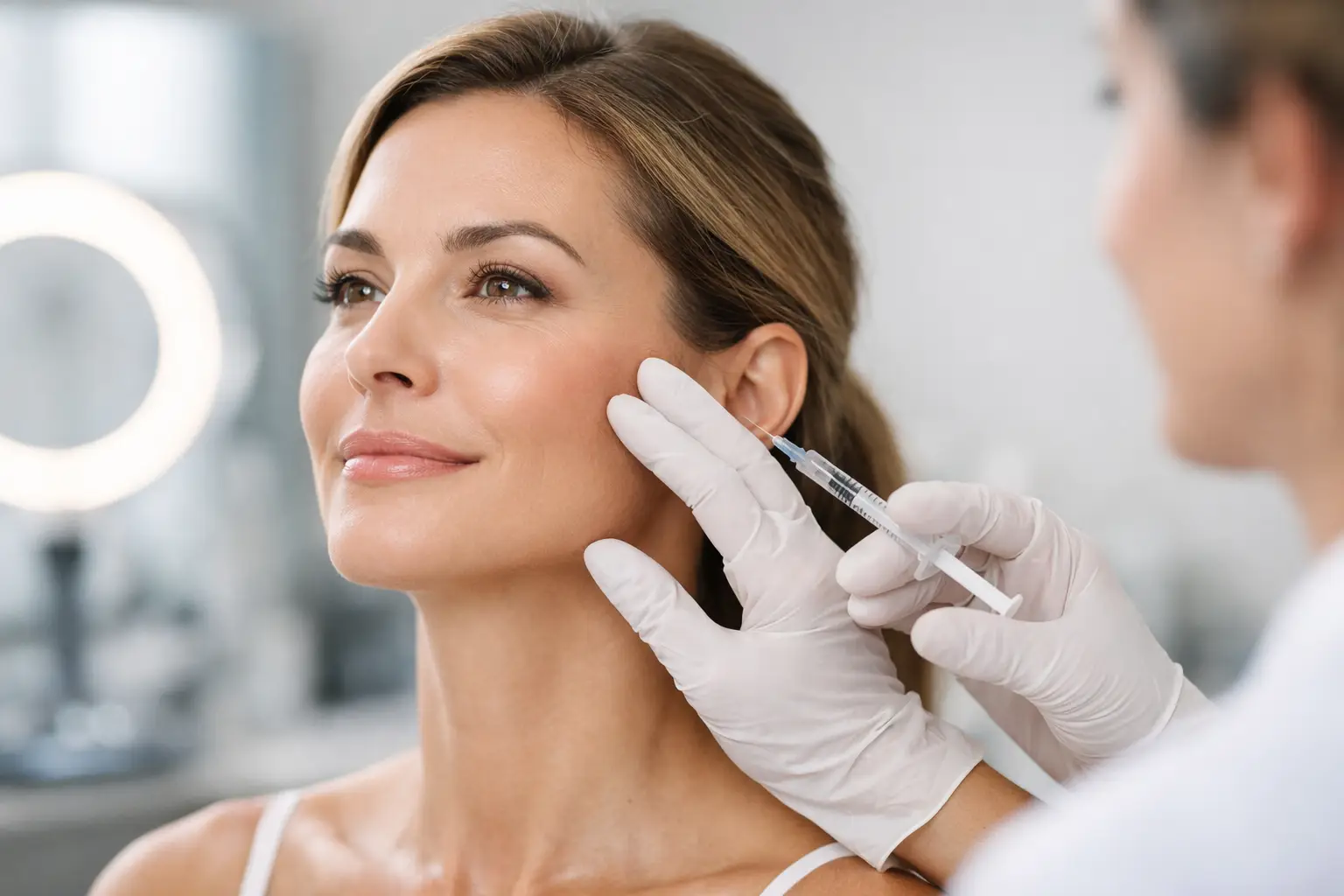
Is a Non Surgical Face Lift Treatment Right?
A non surgical face lift treatment is not about changing your face or chasing an overdone look. It is about helping your skin appear firmer, fresher and more supported, while keeping your natural features at the centre. For clients who notice softness around the cheeks, jawline or neck, or who feel their complexion has lost its usual glow, the right professional treatment plan can make a visible difference without surgery and lengthy recovery.
At Ibeauty Medispa, the focus is always on quality over quantity. Your skin, facial structure and goals are individual, so your treatment should be too. A considered approach can support a rested, refined appearance that still looks completely like you.
What is a non surgical face lift treatment?
A non surgical face lift treatment is a broad term for professional skin treatments designed to improve the appearance of skin firmness, texture, tone and facial definition without an operation. Rather than removing excess skin or physically repositioning deeper facial tissues, these treatments work at the skin level to encourage a smoother, more refreshed-looking complexion.
The best option depends on what you would like to improve. Some clients are mainly concerned with dullness and rough texture. Others want a more lifted appearance through the cheeks and jawline, while some are looking for a treatment that helps make fine lines look softer before a special event. The same treatment is not right for every concern.
A realistic consultation matters because non-surgical options have different strengths to surgery. They can support skin quality and provide a noticeable refresh, often with limited downtime, but they cannot replicate the dramatic structural changes achieved through a surgical facelift. Clear expectations are part of great care.
Why skin can start to look less lifted
Facial ageing is never caused by one thing alone. Over time, collagen and elastin production naturally slows, which can affect how firm and bouncy the skin looks. Sun exposure, dehydration, stress, poor sleep and lifestyle habits can also contribute to uneven tone, dehydration and a tired-looking complexion.
Volume changes are another factor. When the face loses some of its natural fullness, the cheeks may appear flatter and the lower face can look less defined. Skin treatments cannot replace lost volume in the way an injectable treatment may, but they can improve the quality and radiance of the skin sitting over it. This is why a refreshed result is often created through a combination of careful skin maintenance, professional treatments and an appropriate home routine.
What results can you expect?
The goal is healthy-looking skin with improved luminosity, smoother texture and a more polished finish. Depending on the treatment selected, clients may notice their skin looks brighter, feels more hydrated and appears more refined after an appointment. With a planned series, improvements in overall skin condition can become more noticeable over time.
Results are influenced by your starting point, skin type, age, lifestyle and consistency with aftercare. Someone preparing for a wedding, event or holiday may benefit from a glow-focused treatment with minimal recovery. A client concerned about ongoing texture, congestion or visible signs of ageing may achieve better results from a structured treatment programme spaced over several appointments.
It is also worth remembering that “lifted” does not always mean dramatic. A clearer, smoother complexion catches light more evenly, makeup sits better and facial features can look naturally more defined. For many clients, that subtle refinement is exactly what they want.
The treatment plan should suit your skin
A professional consultation is where the real value begins. Your therapist should assess your skin, discuss your goals and ask about factors that could affect treatment selection, such as sensitivity, active breakouts, recent skin procedures, medication or pregnancy.
From there, your plan may include advanced facial treatments that focus on exfoliation, hydration, circulation and skin renewal. Treatments such as microdermabrasion, dermaplaning, LED light therapy and Hydra-Micro treatments may be recommended where appropriate. Each treatment works differently, and the ideal choice depends on whether your priority is radiance, texture, congestion, hydration or visible signs of ageing.
For example, dermaplaning can create a smooth surface by removing dead skin cells and fine facial hair, leaving the complexion looking immediately brighter. Microdermabrasion may suit clients who want professional exfoliation for dull or uneven-looking skin. LED light therapy can be a calming addition to a treatment plan, while hydration-focused facials can leave skin looking plump and fresh.
These are not one-size-fits-all solutions. Skin that is inflamed, highly sensitive or actively irritated needs a gentler approach than skin that is resilient and accustomed to professional exfoliation.
Preparing for your appointment
The best preparation is simple. Arrive with clean skin where possible, and let your therapist know about any changes to your health, medications or skincare routine. If you have recently used strong active products, had injectables, undergone another skin procedure or experienced a reaction, mention this before your appointment.
Avoid trying new exfoliating products in the days before a professional facial treatment. Over-exfoliated skin can become reactive, which may limit what can be performed comfortably on the day. Sunburn is also a reason to postpone, as treating compromised skin is not the path to a beautiful result.
If you are booking before an important event, do not leave your first appointment until the last minute. Even gentle treatments can cause temporary redness or sensitivity in some clients. Planning ahead gives your skin time to settle and allows your therapist to recommend the most suitable option for your timeline.
Aftercare protects your result
Aftercare is not complicated, but it does make a difference. Your therapist will provide guidance based on the treatment performed and your skin’s response. In general, keep your routine gentle, avoid picking or scrubbing the skin, and use daily sun protection to help preserve your results.
Hydration also matters. Use the products recommended for your skin, particularly if you have had a resurfacing or exfoliation-focused treatment. For a short period, it may be best to avoid strong exfoliants, retinoids, heat-based activities and direct sun exposure, depending on your personalised aftercare instructions.
A professional treatment can give your skin a valuable boost, but your daily habits help maintain the finish. Consistent sun protection, appropriate skincare and regular appointments are often more effective than waiting until your skin feels neglected and expecting one treatment to solve every concern.
Is a non surgical face lift treatment for everyone?
Many adults can enjoy the benefits of professional facial treatments, but suitability should never be assumed. Clients with active skin infections, open wounds, severe irritation, certain medical conditions or recent procedures may need to delay treatment or seek medical advice first. Honest consultation protects your skin and helps ensure your experience is comfortable.
It is also important to choose a treatment for the result it can genuinely deliver. If your main concern is significant skin laxity or deeper facial volume loss, a facial treatment may improve the look and feel of your skin but may not create the degree of lift you have in mind. Your therapist can help you understand what is achievable and recommend a plan that aligns with your goals.
The most flattering results are rarely about looking different. They come from skin that looks cared for, features that appear well-rested and a beauty routine that gives you confidence when you step out the door. Book a consultation and let your skin goals guide the treatment choice.