
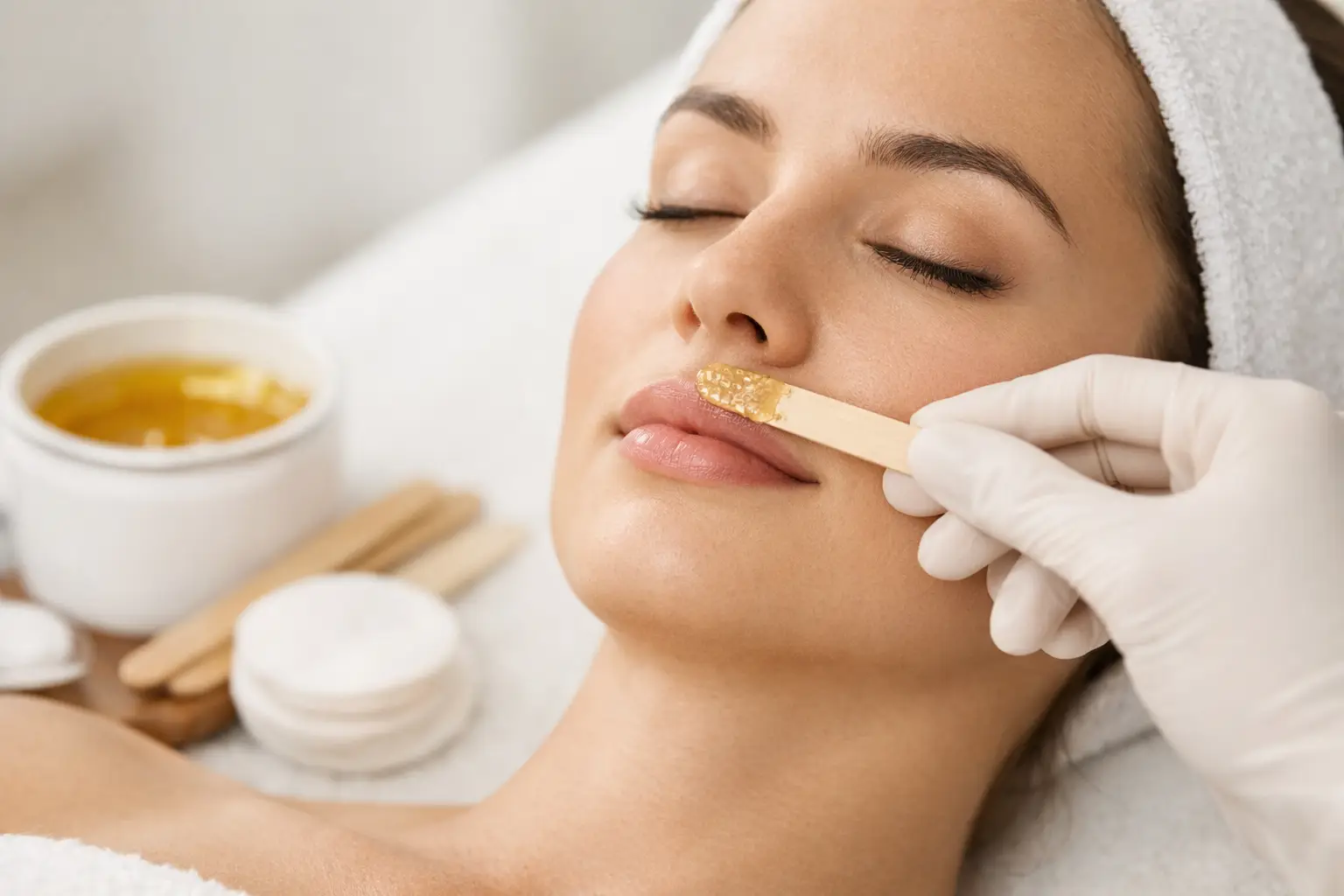
Facial Waxing for Sensitive Skin
A red, stinging upper lip or a patchy breakout after hair removal is enough to make anyone wary of booking again. But facial waxing for sensitive skin is not off limits – it simply needs a more careful approach, the right products and an experienced therapist who understands how facial skin behaves.
When waxing is done correctly, it can leave the skin looking cleaner, smoother and easier to maintain than daily shaving or frequent tweezing. The key is respecting the skin barrier. Sensitive skin reacts faster, holds heat longer and can become inflamed more easily, so treatment planning matters just as much as the wax itself.
Is facial waxing for sensitive skin a good option?
For many clients, yes. Facial waxing removes hair from the root, which means smoother skin for longer and softer regrowth over time. It also creates cleaner definition around areas such as the brows, upper lip, chin and sides of the face. That precision is one reason waxing remains such a popular salon treatment.
The catch is that sensitive skin does not forgive rough handling. If your skin is prone to redness, dryness, flushing or reactive breakouts, waxing can still work well, but only when the treatment is tailored to your skin condition on the day. A therapist should consider what products you are using, whether your skin barrier is currently compromised and which areas can be waxed safely without causing unnecessary trauma.
This is where professional treatment makes a real difference. Good facial waxing is not just about hair removal. It is about temperature control, correct wax choice, minimal passes and aftercare that calms the skin quickly.
What makes skin “sensitive” before waxing?
Sensitive skin is not always a fixed skin type. Sometimes it is a long-term trait, and sometimes it is temporary. You might normally tolerate waxing well, then suddenly react because you have started active skincare, spent too much time in the sun or had a recent facial treatment.
Common signs of sensitivity include persistent redness, visible capillaries, dryness, stinging after skincare, flaking, itching or skin that marks easily. Clients with rosacea-prone skin, a weakened barrier or a history of reactions need a more cautious plan.
There are also certain situations where facial waxing may need to be postponed. If you are using prescription retinoids, strong exfoliating acids or acne medication, the skin can become too fragile for waxing. The same goes for skin that is sunburnt, freshly exfoliated or healing from peels, microdermabrasion or dermaplaning. In those cases, waiting is not a setback – it is what protects your skin from lifting, tearing and prolonged irritation.
The areas that respond best to facial waxing
Not every part of the face behaves the same way. The upper lip and brows are the most commonly waxed areas, but they are also among the most reactive because the skin is thinner and more exposed. The chin and jawline may tolerate waxing better in some clients, especially if the skin is not actively inflamed.
Brows benefit from precise waxing because it creates a clean outline that is difficult to achieve with tweezing alone. The upper lip is a favourite for clients who want a polished result that lasts longer than other methods. Sideburns and cheek areas can also be waxed, although finer facial hair may sometimes be better suited to another treatment depending on skin sensitivity and the desired finish.
A professional assessment matters here. If the skin is delicate, one area may be suitable while another should be left alone for the day.
How to prepare for facial waxing when your skin is reactive
Preparation starts before the appointment. Sensitive skin does best when it is calm, hydrated and free from recent irritation. Avoid strong exfoliants, retinol products and active treatment serums in the days leading up to your wax unless your therapist has advised otherwise. Heat exposure can also increase sensitivity, so heavy exercise, saunas and direct sun just before treatment are not ideal.
Come to your appointment with clean skin and be honest about your routine. This includes prescription skincare, over-the-counter acne products and any recent facial treatments. It might feel minor, but these details can completely change whether waxing is appropriate.
Hair length also matters. If the hair is too short, the wax may struggle to grip properly, which can lead to repeated passes. If it is too long, removal can feel more uncomfortable than necessary. A therapist will usually guide you on the ideal timing, but in most cases you want enough regrowth for clean removal without overworking the area.
What happens during a professional facial wax
A proper facial waxing service should feel controlled, not rushed. The skin is first cleansed to remove oil, makeup and residue. A protective pre-wax product may then be applied to create a barrier between the wax and the skin, which is particularly useful for sensitive areas.
Wax selection matters. For reactive facial skin, high-quality wax designed for delicate areas is usually the better option. It adheres more effectively to the hair while being gentler on the skin. Technique is equally important. The therapist should work in small sections, hold the skin taut and avoid going over the same patch repeatedly.
This is one of the biggest differences between average waxing and specialist waxing. A precise approach reduces heat, friction and unnecessary trauma, which means cleaner results and less post-treatment redness.
Aftercare is where sensitive skin either settles or flares
It is normal to have some mild redness after a facial wax, especially around the upper lip or brows. What you want is temporary pinkness, not prolonged heat, swelling or broken skin. Good aftercare helps the skin settle quickly and protects the freshly waxed area from further stress.
For the first 24 to 48 hours, keep the area cool and uncomplicated. Avoid active skincare, exfoliants, strong acids and retinol. Skip tanning, direct sun exposure, saunas and very hot showers if possible. Heavy makeup straight after waxing can also irritate open follicles, so it is best to give the skin room to breathe.
Hydration and soothing products are your friend here. A calming post-wax lotion or gel can reduce redness and support the barrier. If your skin is highly reactive, less is often more. This is not the time to trial a new serum because it looked promising on social media.
Why some people break out after waxing
Post-wax bumps do not always mean the treatment was done badly. Sometimes the skin is simply responding to friction, heat or bacteria entering newly open follicles. In acne-prone skin, waxing can also trigger inflammation if the area is already congested.
That said, there is a difference between a few temporary bumps and a stronger reaction. Repeated breakouts, persistent rash-like redness or skin lifting suggest the method, timing or products need to be reviewed. It may be a case of changing wax type, spacing appointments differently or choosing another hair removal option for certain zones.
If you are prone to ingrown hairs or congestion around the chin and jawline, consistent aftercare becomes more important. Once the skin has fully settled, gentle exfoliation can help, but timing is everything. Exfoliating too soon after waxing usually makes things worse, not better.
When waxing may not be the best choice
Sometimes the best beauty decision is knowing when not to wax. If your skin is extremely reactive, medically compromised or currently inflamed, another treatment path may be more suitable. Sensitive skin exists on a spectrum, and not every client will respond well to the same method every time.
This is especially true if you are using strong corrective skincare or having regular skin treatments. In a clinic setting, hair removal should work with your skin plan, not against it. Protecting skin quality always comes first.
At Ibeauty Medispa, that kind of treatment planning matters because the goal is not just to remove hair. It is to maintain a polished result without compromising skin health.
How often should sensitive skin be waxed?
Most facial areas are waxed every few weeks, depending on how quickly your hair grows and how your skin recovers. More frequent is not always better. Sensitive skin often benefits from a steady schedule that allows complete recovery between appointments.
Regular waxing can improve the look and feel of regrowth, but only if the skin remains calm. If you are constantly arriving with irritation, your schedule may need adjusting. This is another reason professional guidance matters – the right timing can improve results just as much as technique.
Choosing facial waxing for sensitive skin is really about choosing a smarter service, not a harsher one. With the right preparation, skilled application and proper aftercare, waxing can be a clean, effective way to maintain smooth skin and precise facial definition. If your skin tends to react, do not guess your way through it. Start with an experienced therapist who treats sensitivity as part of the service, not an afterthought.